


How a Silk Screen Press Can Boost Your Apparel Printing Business
Introduction
The apparel industry has exploded lately. We’re looking at a market projected to hit $17.5 billion by 2027, mostly because everyone wants custom gear, unique merch, and fast-fashion pieces that actually look good. Whether you’re running a garage setup or a massive warehouse, you’re likely trying to balance high quality with low costs. Investing in a silk screen press is usually the turning point for most shops. It’s the tool that lets you stay consistent across 50 t-shirts or 5,000 hoodies. Whether you want to speed up your workflow or just stop making alignment mistakes, the right press is the backbone of the operation.
What is a Silk Screen Press
A silk screen press is a specialized machine used in the screen printing process to transfer ink onto fabric through a mesh screen. The design is first applied to a screen, and then ink is pushed through the mesh onto the garment below using a squeegee. The method allows for vibrant, durable prints suitable for apparel and promotional products.
Manual Silk Screen Press
With a manual press, you are the motor. You pull the squeegee yourself. These are great for:
- Startups on a budget.
- Small, custom orders where setup time matters more than raw speed.
- Testing out new designs without a massive overhead.
They are affordable and easy to fix, but they’ll wear you out on a long day, and you’re more likely to have slight variations between the first shirt and the last. Modern manual units now come with XY micro-registration, which is a lifesaver for aligning multi-color designs without losing your mind.
Automatic Silk Screen Press
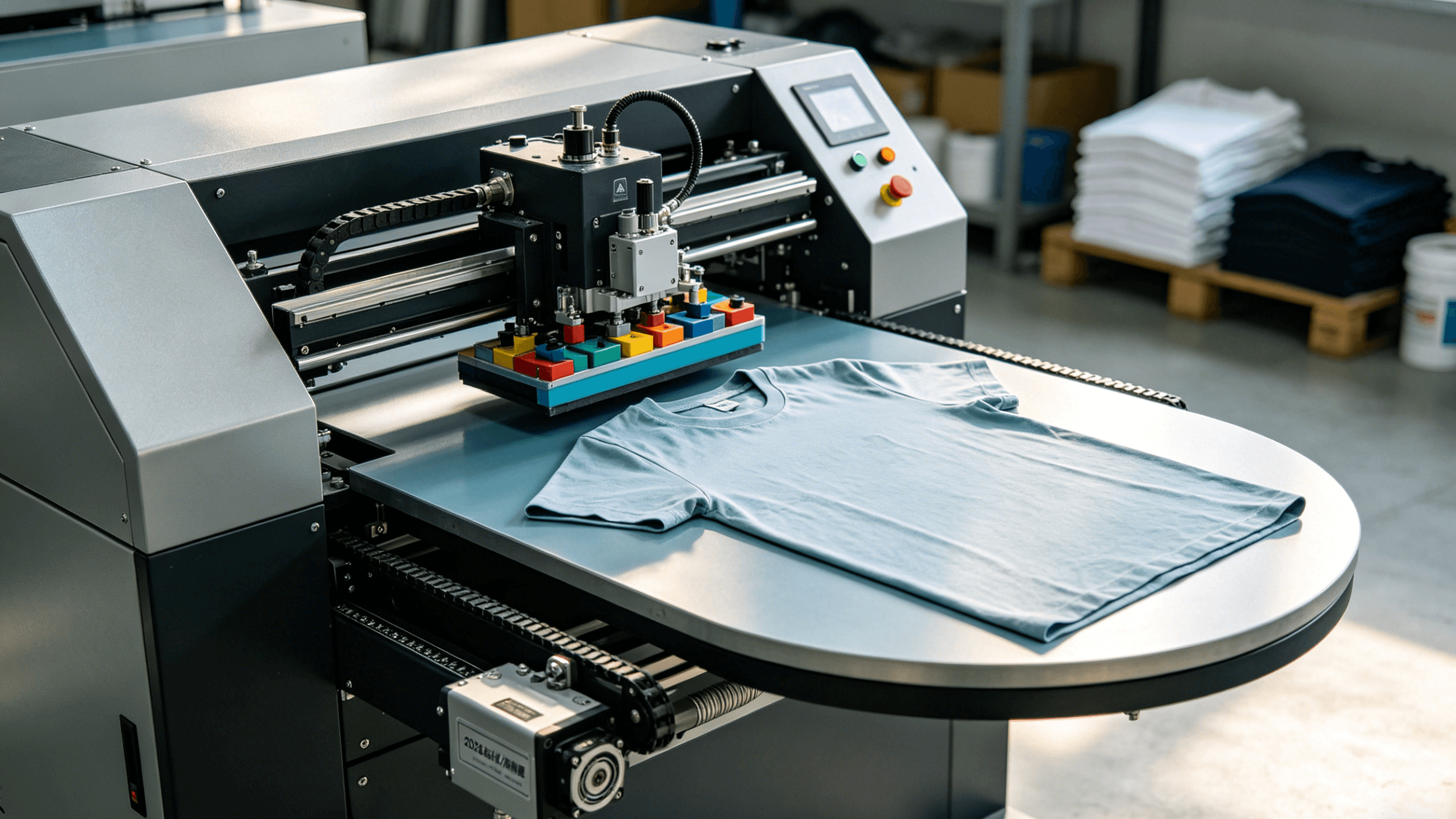
These are the heavy hitters. They use motors (often servo-driven indexing in brands like Cnding Group) to move the pallets and pull the squeegee. Automatic presses are fully or semi-automated, allowing for faster, consistent printing. They are suitable for medium to large-scale operations and can handle high-volume orders efficiently.
You can churn out 500+ shirts an hour, and every single one looks identical. The downside? They cost as much as a car, take up a lot of space, and you’ll need to learn how to maintain the electronics.
| Feature | Manual Press | Automatic Press |
|---|---|---|
| Production Speed | 20–50 shirts/hour | 100–500+ shirts/hour |
| Cost | Low | Medium–High |
| Learning Curve | Easy | Moderate |
| Best For | Small batches | Large orders |
Why Silk Screen Presses Are Essential for Apparel Printing Businesses
Investing in a silk screen press offers multiple advantages that directly impact your business’s profitability and efficiency.
Increased Productivity
Automatic presses allow businesses to produce hundreds of garments per hour. Even high-quality manual presses can streamline production compared to traditional hand-pulled methods. Businesses can meet tight deadlines and expand their customer base with faster turnaround times.
Consistent Print Quality
Manual printing is more susceptible to inconsistencies in ink coverage, color saturation, and alignment. Silk screen presses, particularly automated ones, ensure uniform application of ink, resulting in professional-quality prints every time.
Cost Efficiency
While automatic presses require a larger upfront investment, they reduce labor costs and minimize ink waste over time. Consistent prints mean fewer mistakes, lower scrap rates, and higher customer satisfaction.
Scalability and Flexibility
Silk screen presses enable businesses to scale production to meet increasing demand. Multi-color printing capability, adjustable platens, and compatibility with various garment sizes allow businesses to diversify their offerings without purchasing additional equipment.
Key Features of Cnding Silk Screen Press Machines
Cnding Group offers a comprehensive range of silk screen presses tailored for different business sizes and production requirements. Their machines are known for quality, reliability, and advanced functionality.
Multi-Color Printing Capability
Cnding presses allow printing multiple colors on a single garment without misalignment. This is essential for producing vibrant designs with complex graphics, logos, and brand-specific color schemes.
Adjustable Platens
Platen adjustability enables printers to work with garments of varying sizes and thicknesses. From t-shirts to hoodies, tote bags, and more, this flexibility reduces the need for multiple machines and streamlines workflow.
Durable Frame and Precise Registration
Cnding silk screen presses feature strong steel frames and precise registration systems, ensuring long-term stability and accurate prints. Durability reduces downtime and maintenance costs over the machine’s lifespan.
Energy-Efficient Motors
Automatic presses are designed with energy-efficient motors, lowering electricity consumption while maintaining high-speed operations. This feature reduces operational costs and aligns with eco-conscious business practices.
User-Friendly Interface
Modern Cnding presses are equipped with intuitive controls and digital interfaces. Even new operators can quickly learn to operate the machine efficiently, reducing training time and improving overall productivity.
High-Grade Aluminum Pallets
Unlike wood or low-grade laminates, Cnding uses specialized aluminum alloy platens that resist warping under the high heat of flash cure units. This ensures a consistent “off-contact” distance across the entire print surface.
Independent Print
Cnding machines allow operators to digitally set the stroke speed of the squeegee and flood bar independently. This is critical when switching between high-opacity Plastisol inks and thin Water-based inks.
Choosing the Right Silk Screen Press
Selecting the ideal silk screen press requires careful consideration of production needs, budget, and workflow.
Assess Your Production Volume
- Small businesses with fewer orders may benefit from a manual press.
- Medium and large-scale operations should consider an automatic press for higher throughput.
Budget Considerations
While manual presses cost less upfront, automated presses offer better long-term ROI due to labor savings and increased productivity.
Feature Requirements
- Multi-color capability
- Adjustable platens
- Ease of maintenance
- Automation features (rotary systems, multiple print stations)
Technical Infrastructure Requirements
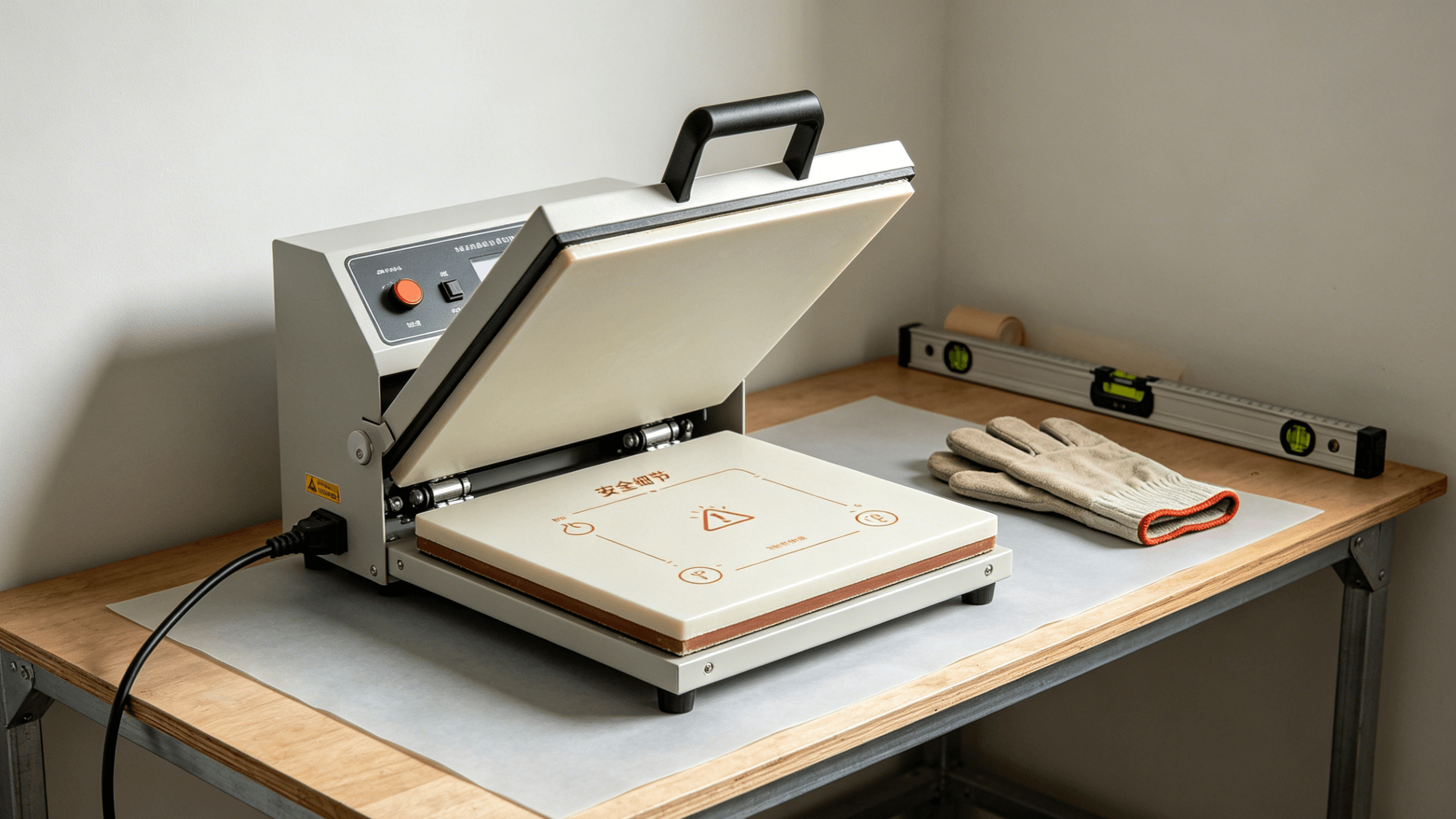
Before purchasing an automatic silk screen press, you must verify your facility’s utility capacity:
- Compressed Air: Most automatic presses require a dedicated air compressor to power the head lift and squeegee pressure.
- Electrical Phase: Ensure your workshop supports 3-phase power if you are installing high-capacity electric dryers alongside your Cnding press.
- Floor Leveling: A variance of more than 5mm across the press diameter can lead to registration drift. Steel-reinforced concrete flooring is recommended.
Buying Checklist
- Determine average weekly production
- Decide on manual vs automatic based on projected volume
- Evaluate feature set according to garment types and design complexity
- Check warranty and customer support options
Tips for Maximizing Your Silk Screen Press Investment
To fully leverage your silk screen press:
- Staff Training: Invest in proper training for operators to reduce setup time and printing errors.
- Regular Maintenance: Clean screens, lubricate moving parts, and inspect registration systems regularly.
- Use High-Quality Materials: Premium inks, screens, and squeegees contribute to long-lasting, vibrant prints.
- Optimize Workflow: Organize the print shop layout to reduce handling time and eliminate bottlenecks.
- Monitor Production Metrics: Track output, error rates, and material usage to identify areas for improvement.
Common Applications of Silk Screen Presses
T-Shirt Printing
T-shirts remain the most popular printed apparel item. Silk screen presses allow vibrant, durable designs that withstand multiple washes.
Hoodies and Sweatshirts
Thicker garments like hoodies require adjustable platen height and squeegee pressure. Cnding presses accommodate such garments without compromising print quality.
Promotional Merchandise
From tote bags to caps, silk screen presses enable businesses to expand into diverse products, increasing revenue streams.
Bulk Orders
Businesses can accept large corporate or event orders due to the high-speed and consistent output of automated presses.
Conclusion
A silk screen press is a transformative investment for any apparel printing business. It enhances productivity, ensures consistent quality, reduces labor and material costs, and allows businesses to scale efficiently. Whether you are a small start-up or an established production facility, choosing the right silk screen press, like those offered by Cnding Group, can elevate your operations and give you a competitive advantage in the marketplace. By integrating proper training, maintenance, and workflow optimization, your business can maximize the return on investment and deliver high-quality printed garments that satisfy customers consistently.
FAQs
Can I use a silk screen press for small batch printing?
A: Yes, manual presses are ideal for small batches, while automatic presses can also handle small runs efficiently.
How long does a Cnding automatic silk screen press last?
A: With proper maintenance, Cnding presses can last over 10 years in commercial use.
How much does a silk screen press cost?
A: Prices vary by model and features, ranging from a few hundred USD for basic manual presses to several thousand USD for automatic multi-color machines.
- Introduction
- What is a Silk Screen Press
- Why Silk Screen Presses Are Essential for Apparel Printing Businesses
- Key Features of Cnding Silk Screen Press Machines
- Choosing the Right Silk Screen Press
- Tips for Maximizing Your Silk Screen Press Investment
- Common Applications of Silk Screen Presses
- Conclusion
- FAQs