


Integrating Screen Print Transfers into Shoe Manufacturing Lines
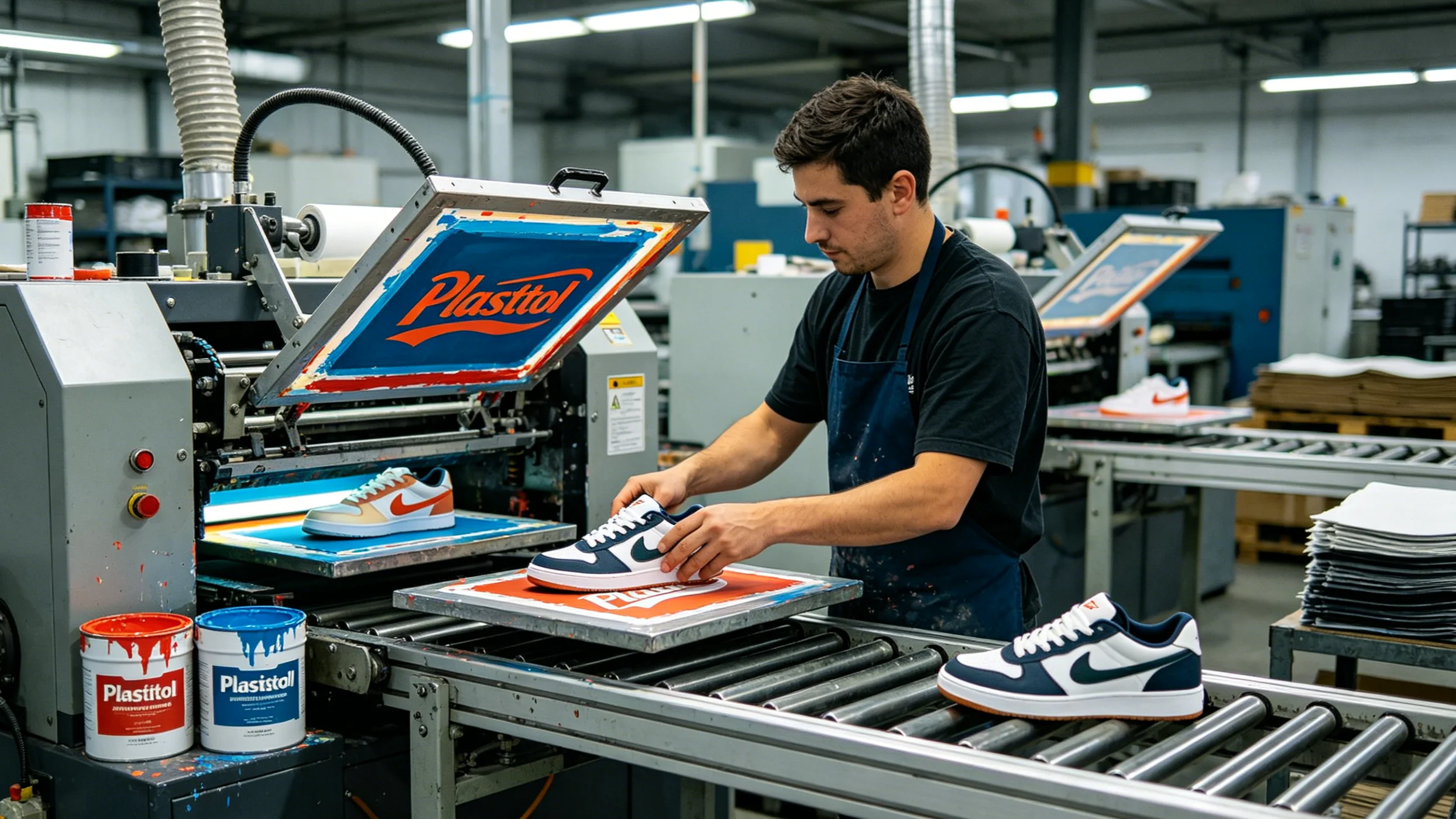
The footwear industry is walking away from direct screen printing on finished uppers and moving toward screen print transfers. It is a practical move because printing directly onto a curved, 3D shoe form is a nightmare that usually leads to high scrap rates and material waste. Whether you are working with synthetic leather, knits, or TPU, getting a clean “hit” every time with traditional methods is nearly impossible. Cnding Group’s approach is to stop fighting the 3D shape and use transfers instead, providing a full setup—including High-Elastic Image Ink and automatic heat presses—to ensure branding stays durable without killing production speed.
Why Transfers Beat Direct Printing
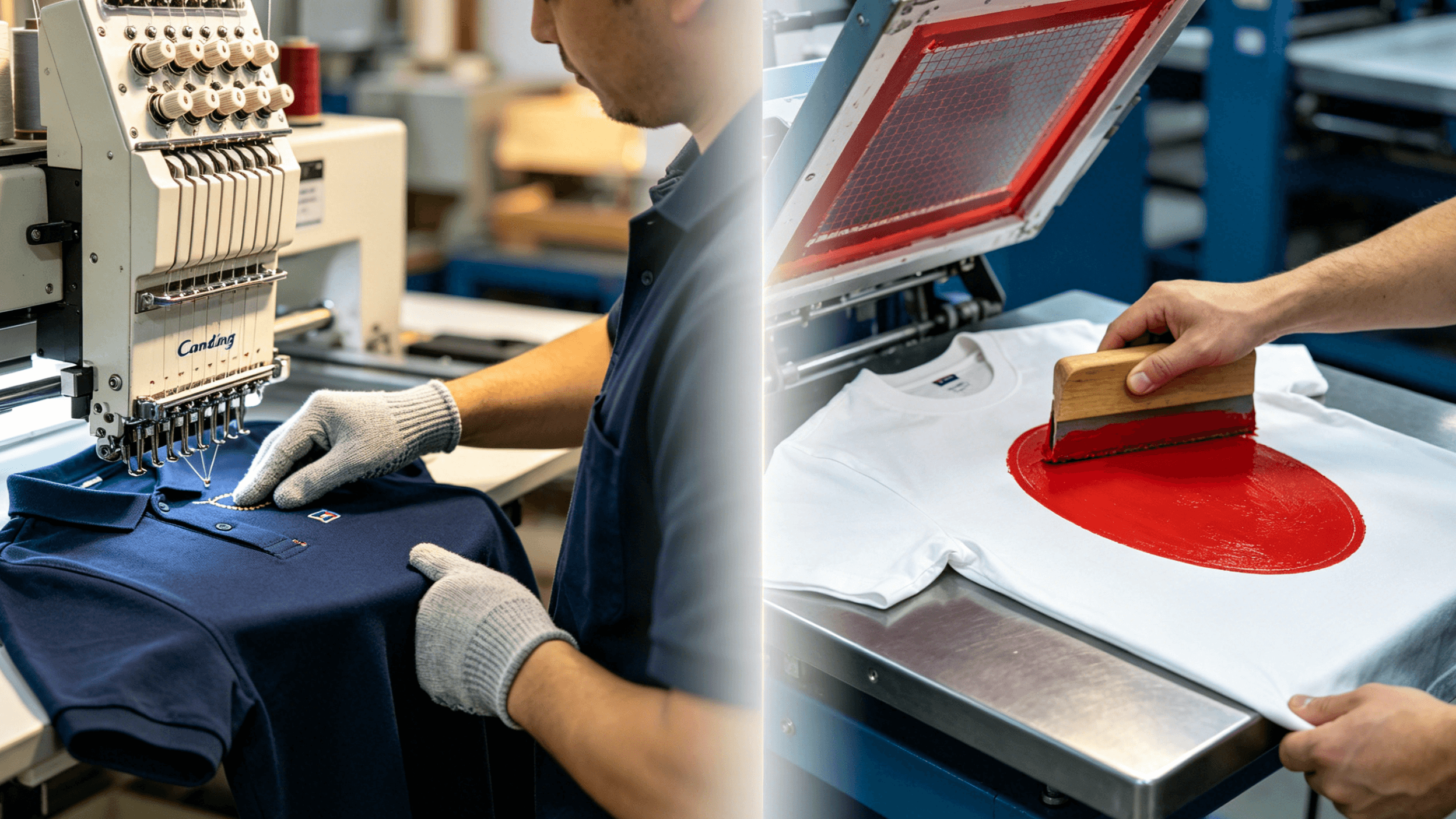
In most modern factories, screen print transfers are the standard for performance and lifestyle shoes because designs have become too complex for old-school methods.
- Versatility: Transfers work on flat, curved, and hard-to-print surfaces like synthetic leather, knit uppers, and rubber foxing, whereas direct printing is limited to accessible, flat areas.
- Durability: Engineered inks for transfers maintain their integrity under stretch and repeated washing; direct printing on flexible materials carries a high risk of cracking.
- Efficiency: Pre-printed transfers allow for parallel processing, meaning printing and assembly happen at the same time to reduce line bottlenecks.
| Criteria | Screen Print Transfers | Direct Screen Printing |
|---|---|---|
| Versatility | Applicable to flat, curved, and hard-to-print surfaces such as synthetic leather, knit uppers, and rubber foxing | Limited to relatively flat and accessible areas |
| Durability | Engineered inks maintain integrity under stretch and repeated washing | Higher risk of cracking or distortion on flexible materials |
| Efficiency | Pre-printed transfers enable parallel processing, reducing downtime on assembly lines | Printing occurs directly on finished parts, increasing bottlenecks |
Screen print transfers are not just an alternative to direct printing—they represent a process-level upgrade. By improving adaptability, durability, and operational efficiency, they align closely with the evolving demands of modern footwear production, where speed, customization, and material complexity are all increasing simultaneously.
The Practical Integration Process
Integrating transfers is a systematic process that requires getting the chemistry and the mechanics right.
The Pre-press Stage and Stretch Factor
Everything starts with the ink. Footwear uppers undergo massive deformation during wear, especially in performance categories like running or football boots. If you do not use high-elastic inks designed for significant elongation and recovery, the graphics will crack almost immediately. It is critical to conduct adhesion and stretch tests on the actual upper materials rather than just flat scraps.
Precision Heat Application
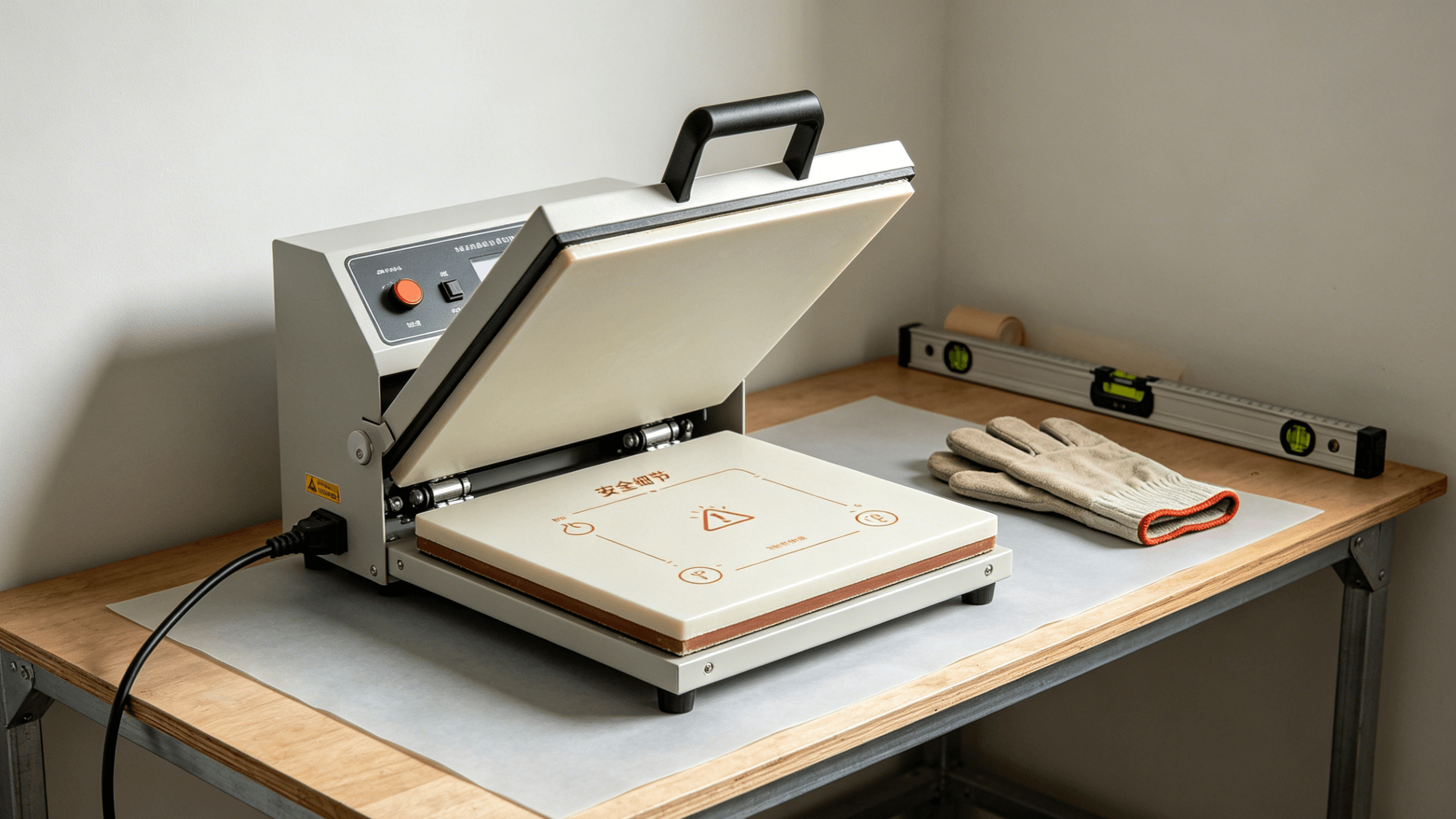
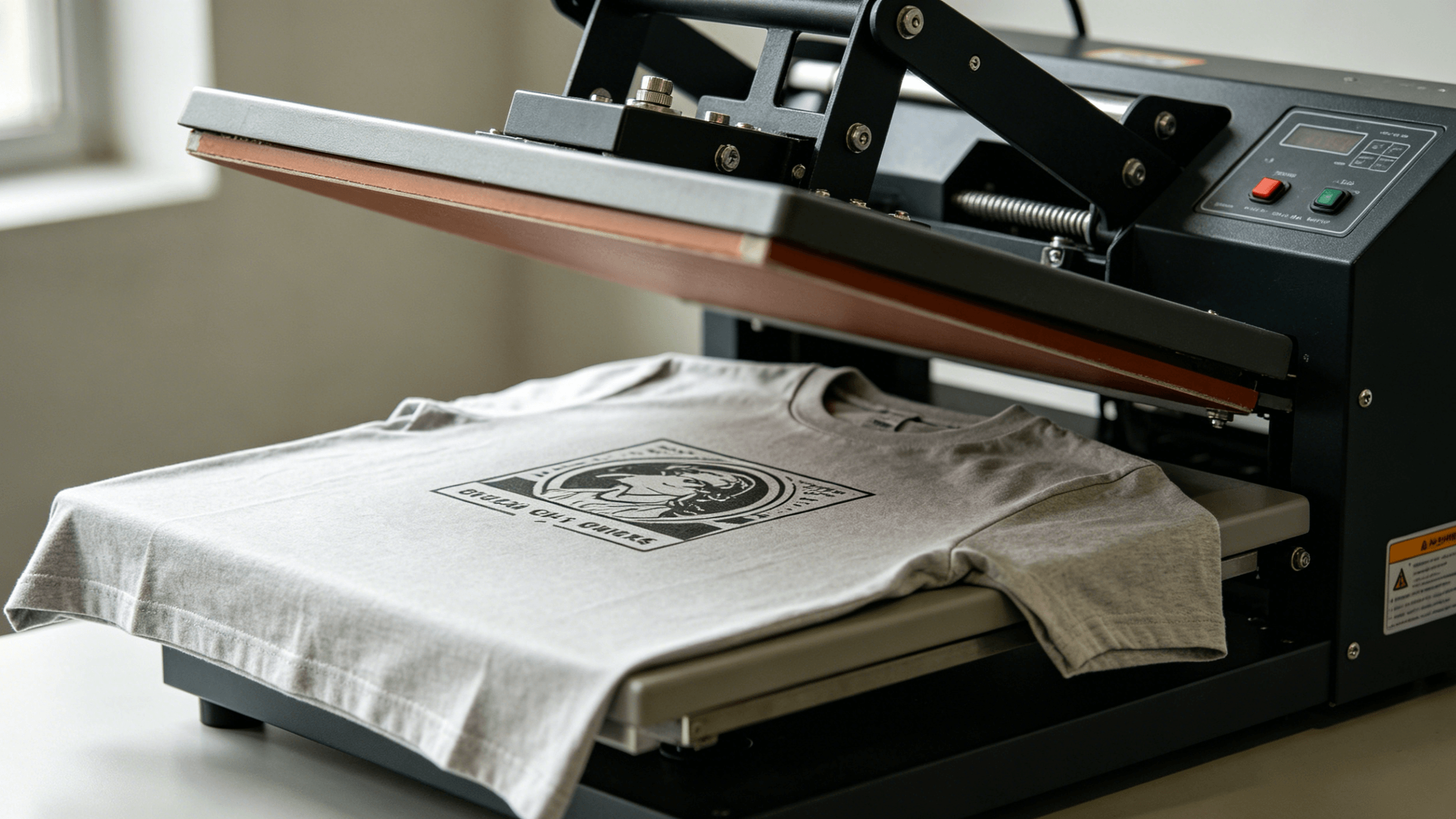
Once the transfer sheets are ready, they are applied using automatic heat press systems. Cnding’s equipment uses multi-station configurations so operators can load and unload while other stations are pressing, which keeps cycle times low. Accurate temperature and pressure control are mandatory; even slight fluctuations can lead to poor adhesion or material deformation, particularly on heat-sensitive TPU.
Peeling Methods: Hot vs Cold
- Hot Peel: The film is removed immediately after pressing. This is faster and best for high-volume production with stable materials.
- Cold Peel: The film is removed after cooling to room temperature. This provides better edge definition and adhesion stability, making it the preferred choice for premium footwear and complex materials.
| Method | Process Description | Advantages | Use Cases |
|---|---|---|---|
| Hot Peel | Film is removed immediately after pressing | Faster cycle time, higher throughput | High-volume production with stable materials |
| Cold Peel | Film is removed after cooling to room temperature | Better edge definition and adhesion stability | Premium footwear, complex materials |
Overcoming Common Shoe Material Challenges
As footwear construction becomes more material-diverse, screen print transfers must perform reliably across substrates that were not originally designed for traditional printing. One of the most critical technical barriers in this context is dye migration, particularly when working with synthetic textiles and thermoplastic components.
Dye Migration in Synthetic Footwear Materials
Dye migration occurs when disperse dyes embedded in polyester-based materials are reactivated by heat and migrate into the printed layer. This is especially common in:
- Polyester mesh and knitted uppers
- Sublimated fabrics used in athletic shoes
- TPU (thermoplastic polyurethane) overlays with dyed bases
During the heat transfer process, temperatures typically range between 140°C–180°C, which can trigger dye reactivation. As a result:
- Light-colored prints may discolor
- Brand logos lose color accuracy
- Finished products fail visual quality standards
To prevent discoloration on polyester mesh or sublimated fabrics, Cnding Group’s screen print transfers utilize a specialized anti-sublimation barrier layer. This chemical blocker prevents disperse dyes from migrating into the graphic during the 140°C–180°C heat application process, ensuring brand colors remain vibrant and compliant with OEKO-TEX and REACH standards.
How it works:
- A blocking layer is printed beneath the color layers during transfer production
- This layer acts as a physical and chemical barrier, preventing dye molecules from migrating upward
- The final transfer maintains color integrity even under high-temperature application
Why this matters in footwear:
- Ensures consistent brand color reproduction across production batches
- Reduces rejection rates caused by post-transfer discoloration
- Expands the usability of transfers on high-risk materials like dark polyester and TPU composites
Automation and Labor Optimization
Beyond technical performance, the adoption of automated screen print transfer lines has a measurable impact on production economics.
Compared to manual or semi-manual workflows, automated systems:
- Reduce reliance on skilled operators for alignment and pressing
- Standardize application parameters, lowering error rates
- Increase throughput through multi-station or continuous operation setups
Labor impact: While exact savings vary by factory size and layout, automation in textile and footwear decoration is widely recognized to reduce manual intervention and improve labor efficiency. Reports and factory case studies referenced by organizations such as International Labour Organization highlight that automation can significantly shift workforce allocation from repetitive tasks to supervisory and quality roles.
Solving material-related challenges like dye migration is essential for unlocking the full value of screen print transfers in footwear manufacturing. By combining anti-sublimation ink systems with automated application processes, manufacturers can achieve:
- Stable color performance across complex materials
- Reduced defect rates and material waste
- Improved operational efficiency and long-term cost control
This technical foundation is what enables screen print transfers to scale from a decorative option to a robust, production-grade solution in modern footwear factories.
Sustainability and Compliance
As global footwear brands expand into regulated markets such as the EU and North America, sustainability and chemical compliance are no longer optional—they are baseline requirements. For manufacturers using screen print transfers, this means ensuring that both inks and processes meet internationally recognized safety standards.
Reputable suppliers, including Cnding Group, align their ink systems with widely accepted regulatory frameworks such as:
- OEKO-TEX: Verifies that textile-related products are tested for harmful substances and are safe for human use. This is particularly relevant for footwear components that come into direct or indirect skin contact.
- REACH (Registration, Evaluation, Authorisation and Restriction of Chemicals): A comprehensive EU regulation that restricts the use of hazardous chemicals in products placed on the European market.
Why this matters:
- Non-compliant materials can lead to import restrictions or recalls in the EU and US
- Brands increasingly require full material traceability from suppliers
- Compliance supports consumer trust and brand credibility, especially in premium and performance footwear segments
Beyond product compliance, how products are made is becoming equally important. The integration of automated systems in screen print transfer workflows contributes to safer and more sustainable factory operations.
Key improvements enabled by automation:
- Reduced direct chemical exposure: Operators have less contact with inks, solvents, and heated surfaces compared to manual printing setups
- Lower error rates and waste: Automated parameter control (temperature, pressure, dwell time) reduces misprints and material waste
- Improved workplace conditions: Fewer repetitive manual tasks and more standardized processes contribute to better ergonomics and worker safety
Conclusion
In a footwear industry defined by rapid design cycles, material innovation, and increasing regulatory pressure, manufacturers need solutions that are both flexible and reliable. Integrating screen print transfers into the production line offers a practical path to achieving this balance. Manufacturers can effectively bridge the gap between mass production efficiency and customized design demands. Ultimately, screen print transfers are no longer just a decoration method—they are a key enabler of modern footwear manufacturing competitiveness.