

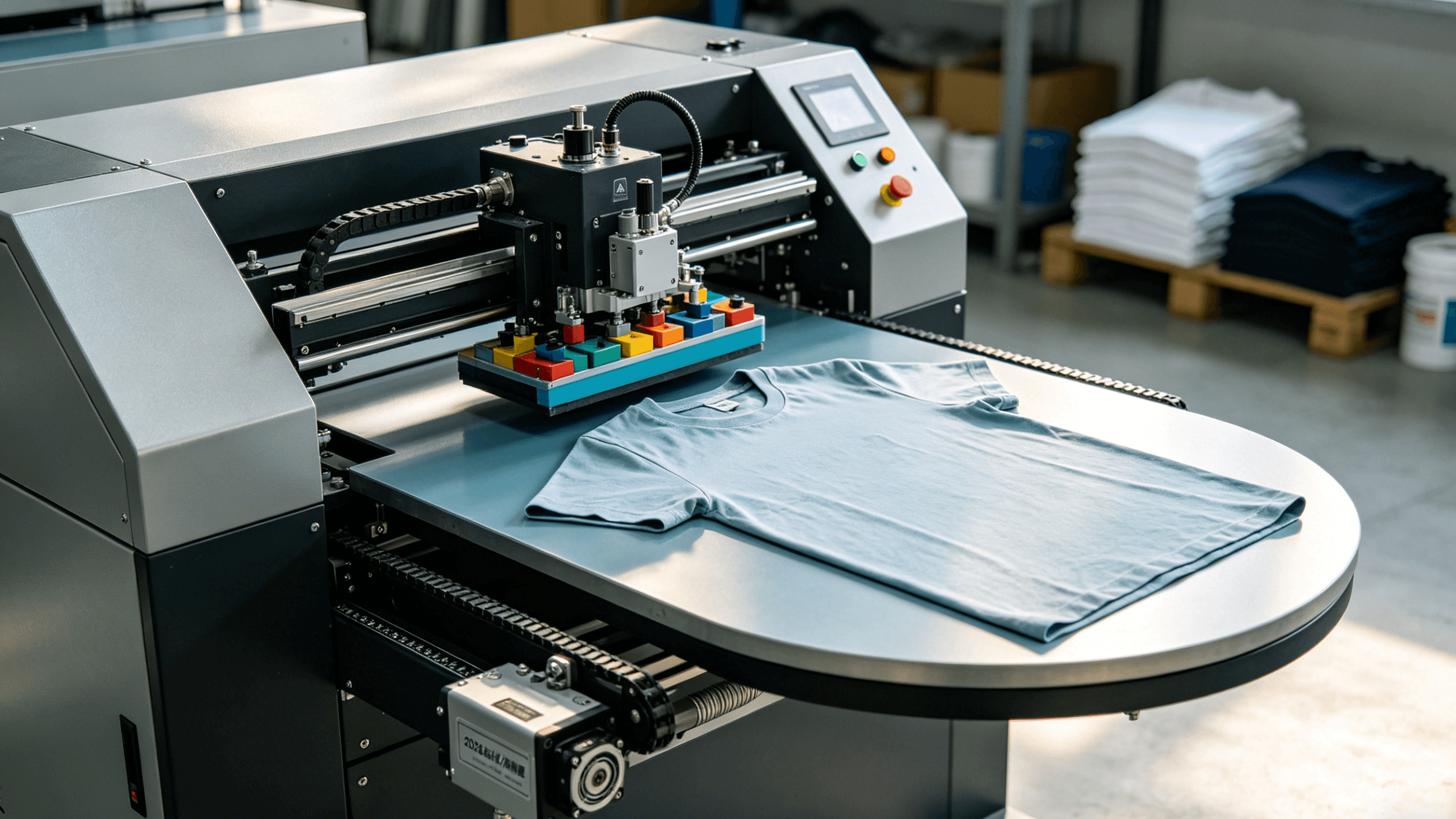
The custom t-shirt business is on a serious roll. Experts think the global market will hit around USD 5.1 billion by 2026. Even with all the new tech out there, screen printing for shirts is still the heavyweight champion because it’s just cheaper and faster when you’re cranking out big orders. If you’re running a brand or a print shop, picking the right equipment in 2026 is a “make or break” move. It affects everything: how much you pay your staff, how fast you can ship, and whether you actually turn a profit at the end of the month.
I’ve put together seven tips to help you find the best screen printer for shirts. We aren’t looking at theoretical specs here; we’re looking at what actually happens on a factory floor. We’ll talk about matching a machine to your actual workload, checking if it’s built to last, and what it really costs to own one over five years. Manufacturers like Cnding Group are good benchmarks here—they’ve been making oval screen printing machines for over 20 years and have gear in over 500 factories worldwide.
Before you go shopping, you need to know where the industry is headed. Screen printing is still the top choice for vibrant, tough designs on cotton and poly-blends. It wins on durability and per-unit cost every time you’re doing more than a handful of shirts.
Key trends for 2026 include:
The most important first step is honest assessment of your current and projected output.
Ask yourself:
Production matching guidelines:
Poor registration is one of the most common causes of rejected prints and wasted materials. In multi-color t-shirt work, even slight misalignment creates blurry edges or color gaps that ruin the final product.
Cnding’s H9PRO Series and NB Plus models both emphasize full-servo or advanced servo systems achieving ±0.01 mm registration precision. This level of accuracy supports complex graphics on various fabrics, including cotton and blends, while maintaining consistency across long runs. The brand’s machines also incorporate quick-release systems that can change plates rapidly—reportedly in around 90 seconds in some configurations—further improving workflow efficiency. Test print quality during demos by running multi-color jobs with tight elements. Check opacity on dark garments and ink adhesion after washing tests.
Screen printers for shirts come in several configurations. Understanding the pros and cons helps match the technology to your needs.
Common types comparison:
For most t-shirt businesses in 2026, automatic oval screen printers offer the best balance of speed, precision, and footprint. They excel at producing consistent results on standard garment sizes. When configuring, consider maximum print area, number of stations, and pallet materials.
A screen printer for shirts is a long-term capital investment. Heavy-duty construction directly affects uptime and resale value.
Cnding emphasizes mature technology, strict testing, and a global service network with 24-hour online response and overseas engineer support. Their experience serving textile manufacturers in China, Bangladesh, Vietnam, India, and other apparel hubs demonstrates real-world durability in demanding production environments.
Purchase price is only part of the equation. Calculate TCO over 3–5 years, including:
Don’t just look at the sticker price; calculate the ‘Downtime Penalty.’ If a lower-tier machine suffers 5% more downtime than a Cnding H9PRO, that equates to roughly 40 lost production hours per month—or 28,000 unprinted shirts. High-efficiency servo motors in modern oval presses often pay for their price premium within 18 months solely through energy savings and reduced ‘seconds’ (misprints).
A single screen printer rarely operates in isolation. Plan for the full production line:
Suppliers capable of providing or recommending integrated solutions simplify procurement and ensure compatibility. In 2026, seamless workflow—from design to finished garment—gives competitive advantage, especially for print-on-demand or fast-turnaround orders.
Research the manufacturer thoroughly:
Visit factories or request detailed video demonstrations when possible. Speak with existing users in similar business segments. Look for consistent feedback on reliability rather than isolated glowing reviews.
There isn’t one perfect screen printer for shirts. It’s about what fits your floor and your goals. If you’re just starting, look for a reliable 8-station automatic. If you’re scaling up, a full-servo oval machine like the H9PRO Series is the way to go. Just make sure you run some test prints on your own fabric before you sign the check.
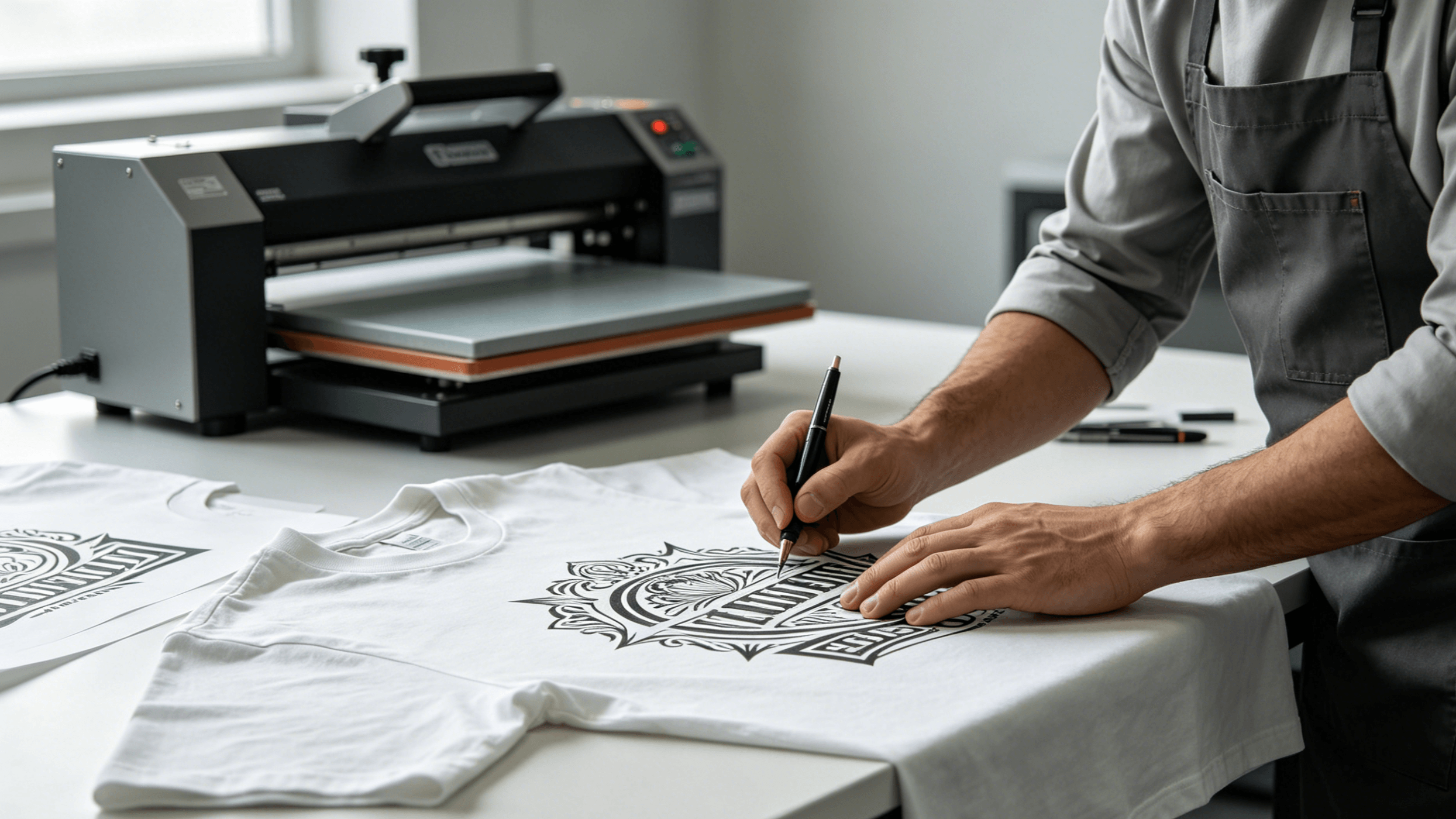
Introduction Custom apparel is hitting massive numbers, with the market expected to pass $45 billion by 2030. If you’re looking at the scene in 2026, Heat Press Vinyl (HTV) is...
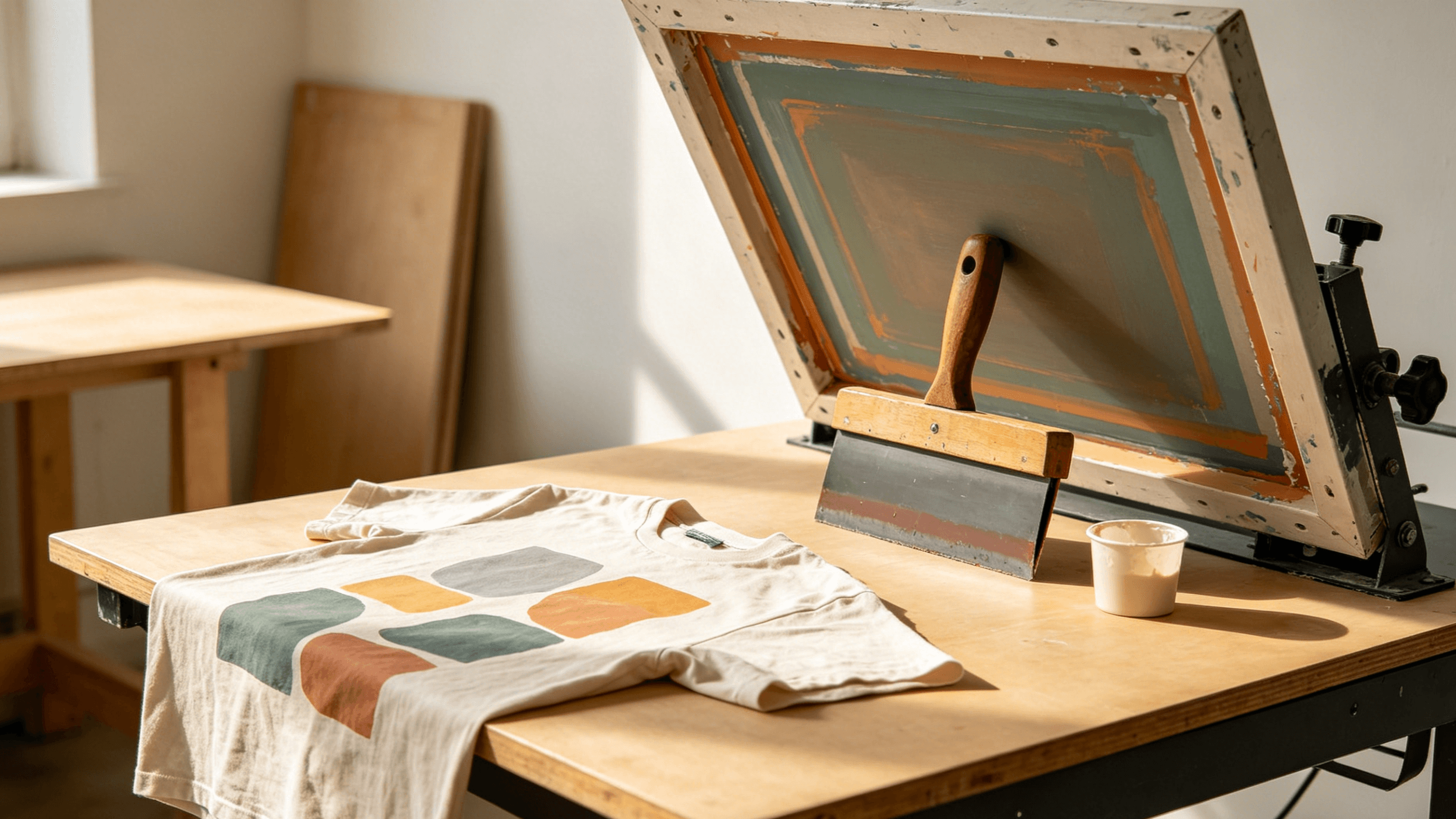
Introduction The apparel industry has exploded lately. We’re looking at a market projected to hit $17.5 billion by 2027, mostly because everyone wants custom gear, unique merch, and fast-fashion pieces...
Introduction The custom t-shirt business is on a serious roll. Experts think the global market will hit around USD 5.1 billion by 2026. Even with all the new tech out...