


How to Choose the Right Screen Printer Machine for Your Print Shop
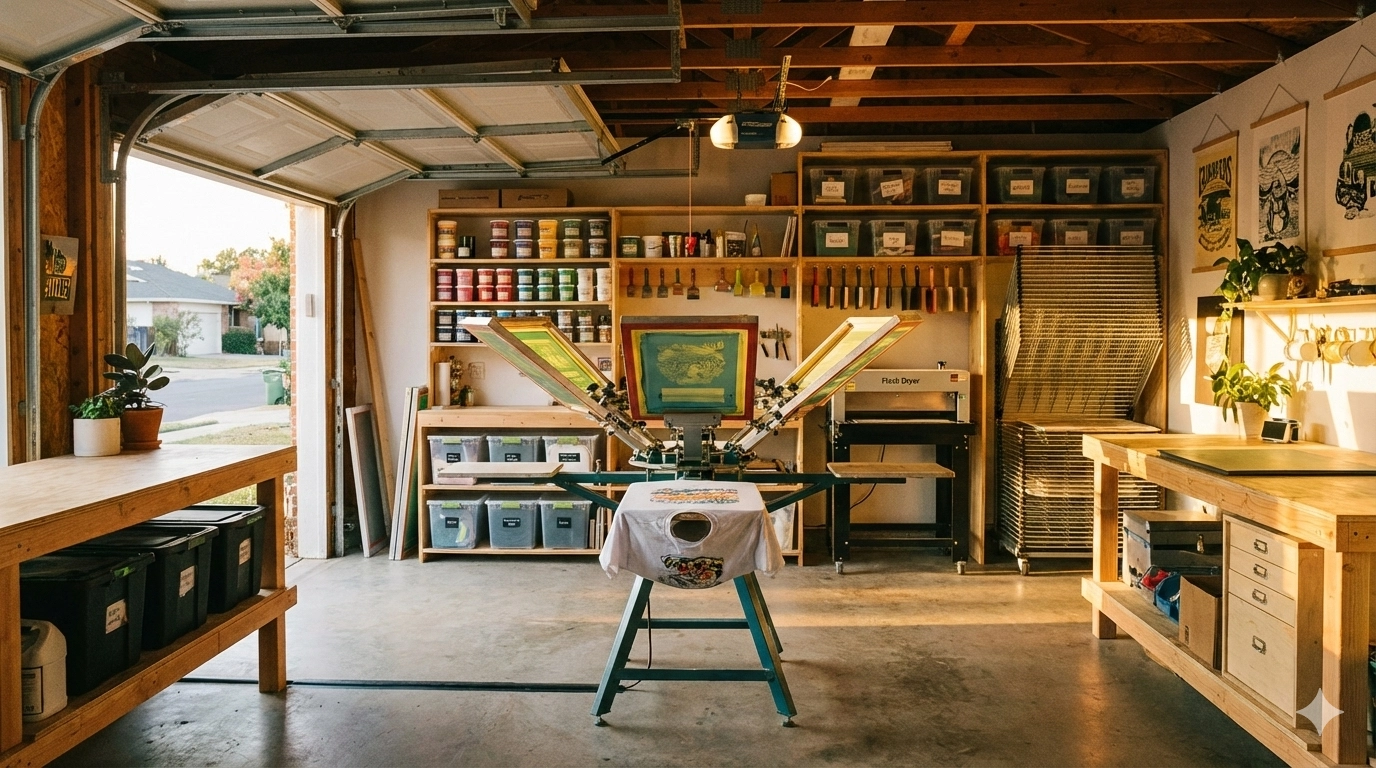
Imagine this: you’ve just signed the lease on your first print shop. The walls smell like fresh paint, boxes of blank T-shirts are stacked in the corner, and you’re scrolling through endless product catalogs of screen printing machines. Prices range from $2,000 to $20,000. The sales reps all insist their machine is “the best investment you’ll ever make.”
But here’s the truth: choosing the wrong screen printer can sink your business before your first order even ships.
So how do you cut through the noise and pick the machine that will actually help your shop thrive? Let’s break it down.
Understand Your Business Needs Before the Machine
Too many shop owners start with the catalog instead of starting with their own shop.
Ask yourself:
- What’s my order volume? If you’re printing a few dozen custom shirts a week, a manual press may be more than enough. But if you’re aiming to serve schools, bands, or local businesses, an automatic press could save you hours each day.
- What products am I printing on? T-shirts are standard, but what about tote bags, hoodies, or hats? Not all machines handle multiple substrates equally well.
- Do I want to grow fast? If you see yourself scaling in the next 12–18 months, buying the cheapest entry-level press might actually cost more in the long run when you have to upgrade.
In short, don’t buy the machine for the shop you have today—buy the machine for the shop you want tomorrow.
The Features That Actually Matter
Here’s where many people get lost. Brochures are full of buzzwords: “precision micro-registration,” “all-steel construction,” “pneumatic controls.” But not every feature deserves your attention.
The features that truly make or break your workflow are:
- Print area size – Determines what you can and can’t print.
- Number of colors – A 4-color press works fine for simple logos, but if your customers want photorealistic prints, you’ll need more heads.
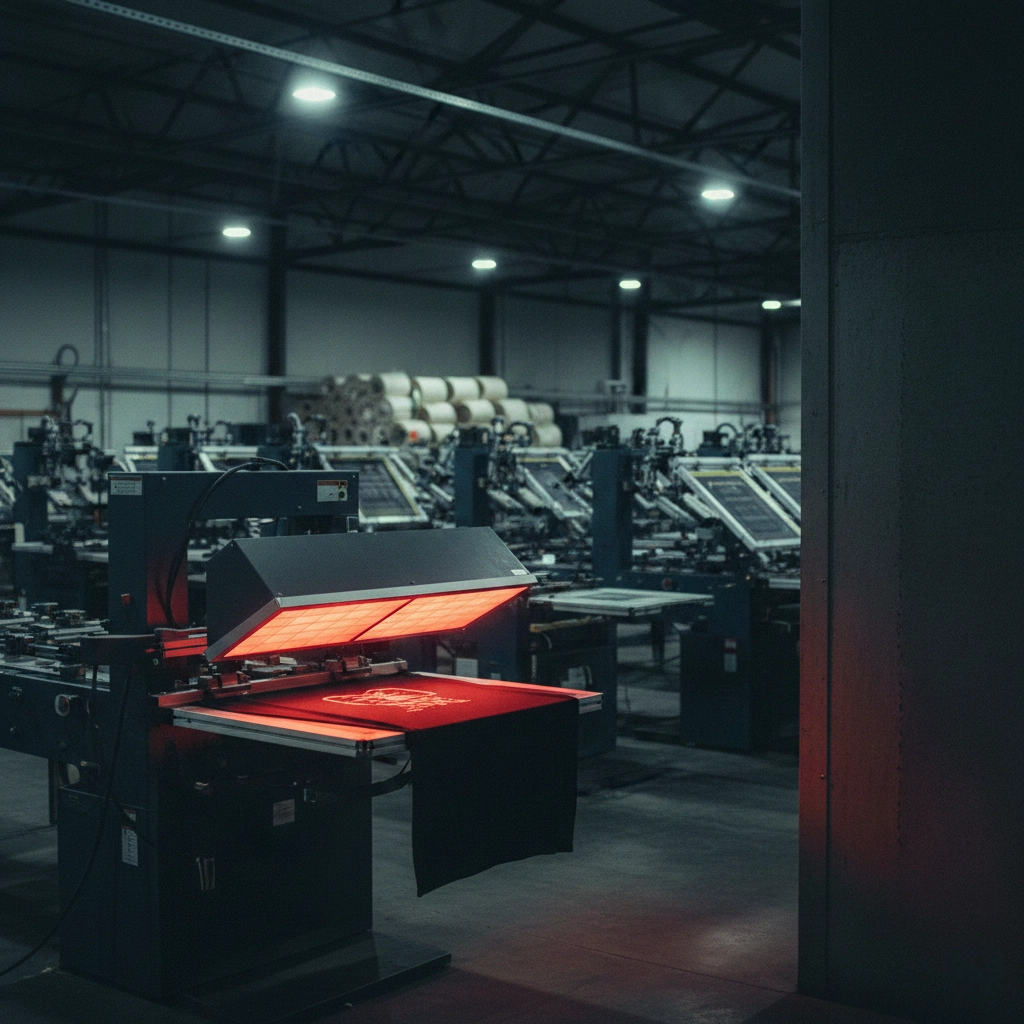
- Manual vs. Automatic – Manual presses give you control and lower upfront cost. Automatic presses offer consistency and speed—but require more space and power.
- Durability and maintenance – A machine that breaks mid-production costs you money and reputation. Look for one with reliable bearings, easy-to-clean platens, and widely available spare parts.
Everything else? Nice to have, not need to have.
Budget, ROI, and the Hidden Costs
The sticker price is only the beginning. A $5,000 press could easily turn into a $10,000 investment once you add screens, inks, dryers, and maintenance.
Think about it this way:
- Supplies and consumables – Ink, emulsion, and cleaning chemicals are ongoing costs.
- Utilities – Automatic presses often require compressed air or 220V power.
- Labor efficiency – A manual press might be cheap, but if it eats up your evenings and weekends, your “savings” disappear quickly.
The real question isn’t “How much does it cost?” but “How fast can I earn this money back?”
Example: A $15,000 automatic press that lets you print 200 shirts an hour could pay itself off in a year if your shop has steady demand.
Brand Reputation and After-Sales Support
Here’s a dirty little secret: even the best machine will fail if you don’t know how to maintain it.
That’s why the brand you choose matters almost as much as the specs. Established manufacturers like M&R, ROQ, Cnding and Anatol not only sell machines but also provide training, tutorials, and after-sales support. Smaller or unknown brands might offer lower prices, but when your press goes down in the middle of a big order, will they pick up the phone?
Ask around in online print shop communities or Reddit forums. Real-world experiences often tell you more than sales brochures ever will.
Wrapping It Up
Choosing a screen printer isn’t just about comparing prices or being dazzled by shiny new features. It’s about aligning your equipment with your business goals, budget, and future growth.
If you’re shopping today, ask yourself three questions before swiping your card:
- Who are my customers, and what do they need printed?
- Where do I want my shop to be in two years?
- What hidden costs am I overlooking?
Get those answers right, and your machine won’t just be a tool—it’ll be the engine that powers your print shop’s success.
So, what do you think: when it comes to choosing a screen printer, is brand reputation or feature set more important? I’d love to hear your thoughts in the comments.