


What Are Screen Print Transfers
Ever dreamed of designing unique T-shirts for a friend’s get-together or creating eye-catching branded merchandise for your small business? Screen print transfers might just be your perfect solution! This technique makes high-quality custom printing simple and affordable, ideal for small business owners, DIY enthusiasts, and professional printers alike. Curious about what screen print transfers are all about? Let’s dive into their magic!
What Are Screen Print Transfers
Screen print transfers, also known as plastisol transfers, are an innovative printing method where a design is first printed onto special transfer paper and then applied to T-shirts, hats, bags, or other materials using a heat press. Picture this: you print a stunning design on paper ahead of time, then whenever you’re ready, you use a heat press to “stick” it onto fabric—quick, easy, and hassle-free!
How Do They Work
At the heart of screen print transfers is plastisol ink, a durable type of ink that’s screen-printed onto heat transfer paper to create a transferable design. These transfer sheets can be stored for months or even years, ready to use whenever you need them. With just a heat press, you can transfer the design onto your chosen material, achieving professional-quality results.
Who’s It For
- Small Business Owners: Want to create custom apparel for events or your brand without breaking the bank on equipment? Transfers are your go-to!
- DIY Enthusiasts: Make personalized gifts at home with a heat press—affordable and fun.
- Professional Printers: Looking to expand your services with fast, flexible customization? Transfers can help you attract more clients.
What do you think? Are you already picturing the unique designs you could create with screen print transfers?
How Do Screen Print Transfers Differ from Traditional Screen Printing
Wondering how screen print transfers stack up against traditional screen printing? Let’s break it down with a clear comparison! Traditional screen printing involves printing directly onto fabric, requiring a separate screen for each item, which can be time-consuming and complex. Screen print transfers, on the other hand, pre-print designs onto transfer paper for instant use, boosting efficiency. Here’s a detailed look:
- Process Complexity: Traditional screen printing requires a separate screen for each color, with lengthy setup times, making it less ideal for small batches. Transfers print all colors onto paper in one go, simplifying prep.
- Cost Efficiency: Traditional printing involves high costs for screen setup and equipment cleaning, better suited for large runs. Transfers use pre-made sheets, perfect for small or on-demand orders with less waste.
- Flexibility: Transfer sheets can be produced in bulk and stored, ready for quick application with a heat press—great for meeting client demands fast. Traditional printing requires on-site work, limiting flexibility.
- Equipment Needs: Traditional printing demands large screen printing machines and dedicated workspace, while transfers only need a heat press, making them beginner-friendly and DIY-accessible.
Real-Life Example
Imagine you’re a small business owner needing 20 custom T-shirts for a weekend community event. Traditional screen printing could take hours to set up screens, with costs that don’t justify a small order. With screen print transfers, you order pre-made transfer sheets, use a heat press at home, and finish all the shirts in minutes—saving time and money!
What’s your take? Do you prefer the classic craft of traditional printing or the speedy convenience of transfers?
How to Make Screen Print Transfers
Creating screen print transfers requires precision. Here’s the step-by-step process:
- Design Prep: Create or choose a design suited for screen printing. For multi-color designs, each color needs a separate layer.
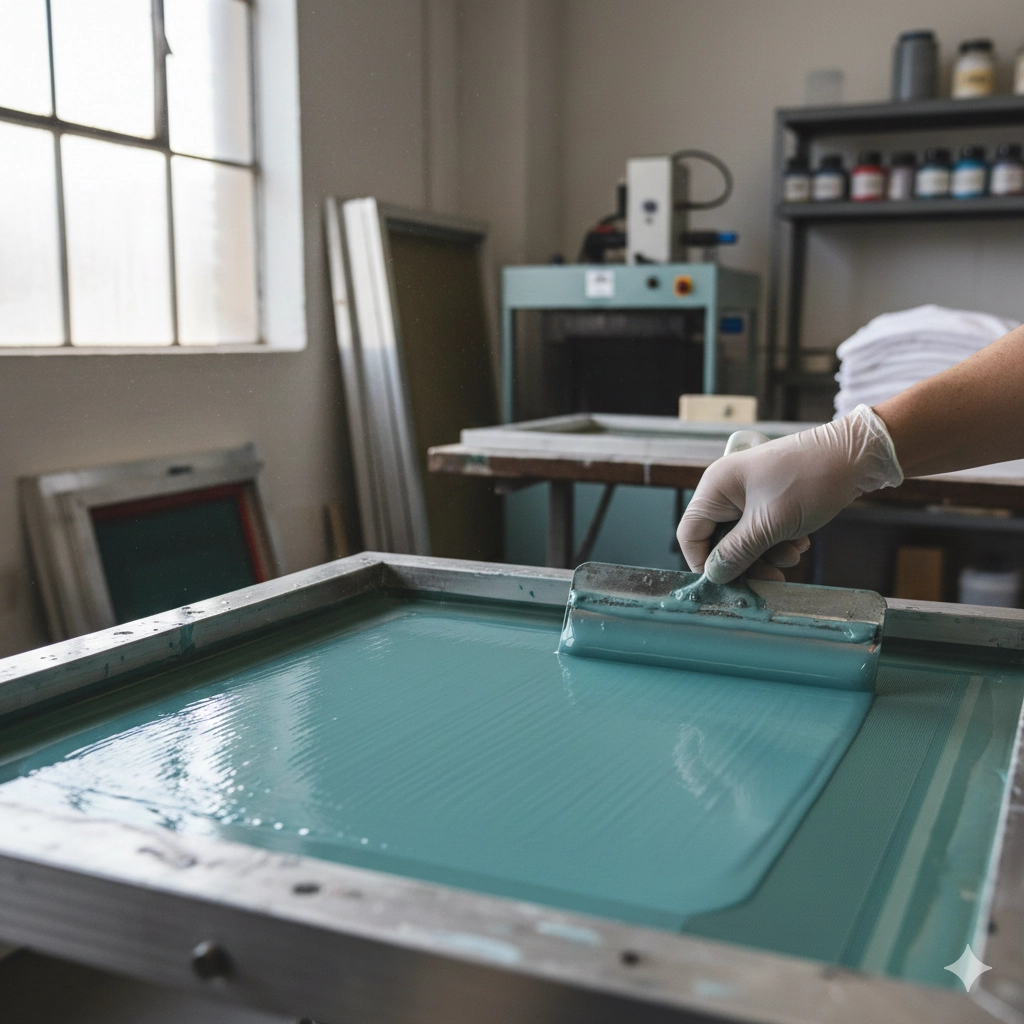
- Screen Setup: Coat a screen with photosensitive emulsion and expose it with a design film to create a printing stencil.
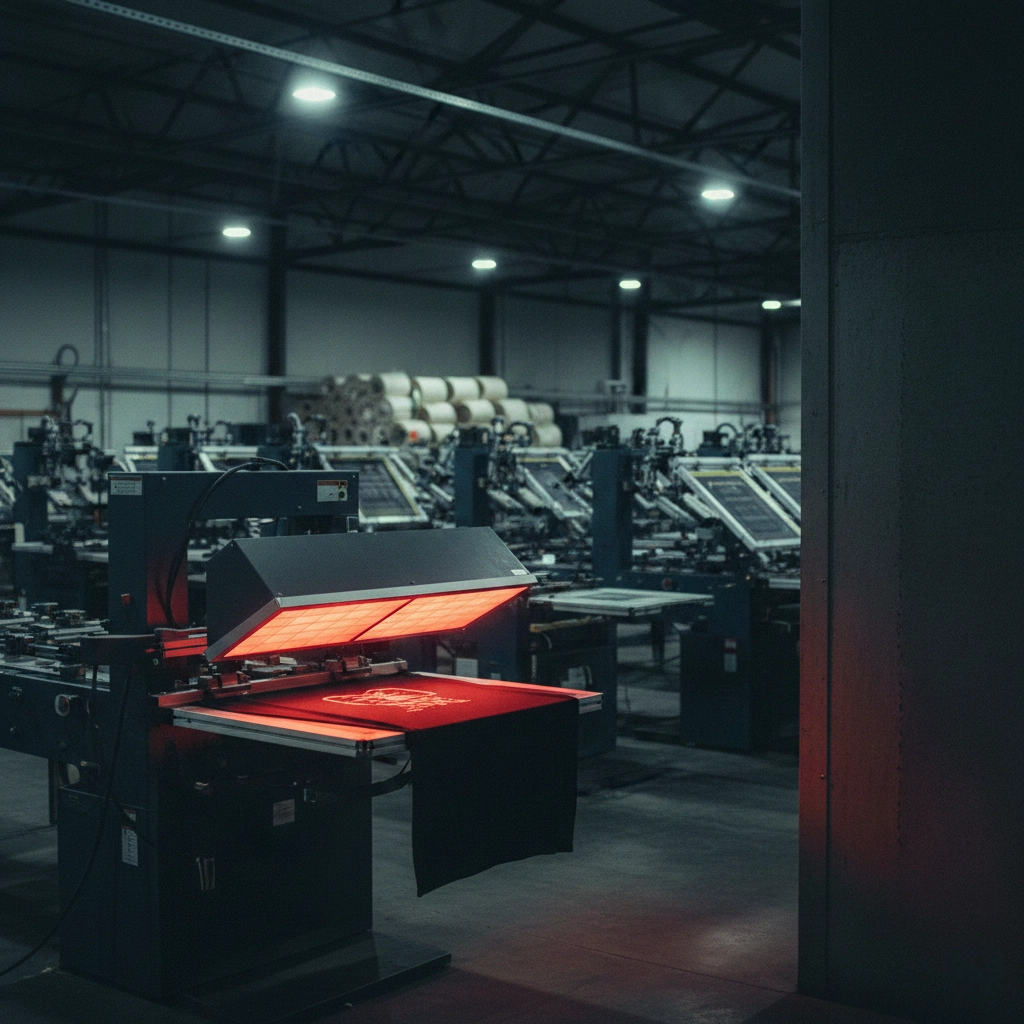
- Print on Transfer Paper: Use a screen printing machine to apply plastisol ink onto transfer paper, printing the design in reverse.
- Apply Adhesive: Sprinkle hot-melt adhesive powder onto wet ink and cure it with a flash dryer.
- Cure: Fully cure the transfer paper to bond the ink and adhesive, typically at 180–260°F, avoiding temperatures above 280°F to prevent over-curing.
- Store: Store the transfer sheets for later use, ready for application whenever needed.
Temperature control and ink consistency are key to ensuring high-quality transfers. For example, curing at too high a temperature can over-cure the ink, affecting the transfer’s quality.
Benefits of Screen Print Transfers
Screen print transfers are popular for their many advantages:
- Cost-Effective: Ideal for small businesses or individuals, requiring minimal inventory.
- Versatile Materials: Works on cotton, polyester, blends, and even heat-sensitive fabrics like Lycra or nylon.
- Highly Durable: Plastisol ink keeps designs vibrant through multiple washes.
- User-Friendly: Only a heat press is needed, far cheaper than traditional screen printing equipment.
Real-Life Examples
- Small Business: A craft stall owner uses screen print transfers to create custom T-shirts for local events, ordering only the transfers needed to meet demand.
- DIY Enthusiast: A hobbyist makes personalized gifts like custom pillows or tote bags at home using pre-made transfers, no pro equipment required.
- Professional Printer: A print shop offers screen print transfer services for fast, personalized sportswear, boosting business flexibility.
Where Can You Use Screen Print Transfers
The versatility of screen print transfers makes them perfect for a range of applications:
- Custom Apparel: Create personalized T-shirts, hoodies, or hats with ease.
- Team Uniforms: Add numbers and names to sports jerseys, suitable for cotton or moisture-wicking polyester.
- Promotional Products: Make branded items like tote bags or mouse pads for events or businesses.
- Home Décor: Apply designs to pillowcases, curtains, or other textiles for a custom touch.
Plus, transfers can be used on sports gear (like helmets) or promo items (like coasters), opening up endless creative possibilities.
How to Apply Screen Print Transfers: A Step-by-Step Guide
Applying screen print transfers is straightforward but requires attention to detail for the best results:
- Prep the Fabric: Ensure the fabric is clean and free of dust or debris.
- Pre-Heat the Fabric: Use a heat press to warm the printing area, removing moisture and prepping the surface.
- Position the Transfer: Place the transfer paper design-side down on the fabric, ensuring perfect alignment.
- Heat Press: Set the heat press (typically 320°F for 15–20 seconds) based on the transfer and fabric type, following the supplier’s guidelines.
- Cool and Peel: Let the transfer cool completely, then peel the backing paper slowly at a 180-degree angle.
- Final Press: Press again to ensure the design bonds securely.
Common Mistakes and Tips
- Incorrect Temperature: Too high or low can cause poor adhesion or fabric damage. Always follow supplier guidelines.
- Misalignment: Use alignment tools to keep the transfer centered and straight.
- Premature Peeling: Peeling before fully cooled can ruin the design, so be patient.
FAQs
How Do Screen Print Transfers Compare to DTF Transfers?
Screen print transfers use plastisol ink, ideal for simple designs and durable fabrics. DTF (direct-to-film) transfers excel with complex, multi-color designs and a wider range of materials, including synthetics.
How Durable Are Screen Print Transfers?
When applied correctly, they’re as durable as traditional screen printing, staying vibrant through many washes, provided you follow proper application and care instructions.
Can They Be Used on Dark Fabrics?
Yes, but light designs on dark fabrics may need a white base layer for vibrancy. Some suppliers offer transfers with built-in bases.
Do You Need Special Equipment to Make Transfers?
Making transfers requires screen printing equipment, but applying them only needs a heat press, making it accessible for beginners.