


Different Ways to Cure Water Based Ink
Curing water based ink makes prints last longer. It also helps prints look nicer. Small studios use different ways to cure ink:
- Cold cure additives help ink dry without heat. This way takes more time.
- Heat presses work for many fabrics and designs. Each print needs almost one minute.
- Infrared tunnel dryers cure ink fast. These dryers need good airflow.
Why Curing Water Based Ink Matters
Ink Film Formation
Curing water based ink is important because it changes the ink from a liquid to a solid film. This film sticks to the fabric and protects the print. The process can happen in two main ways:
- Chemical curing forms a strong film by linking ink molecules together. This makes the print resist water and chemicals.
- Physical curing dries the ink by removing water. The ink forms a solid layer on the fabric.
When the ink cures well, the print lasts longer and looks brighter. Good curing also helps the ink stay on the fabric after many washes. For example, some inks like quinacridone and indigo show strong weather and light resistance when cured properly. Pre-treating fabrics can also improve how well the ink sticks and how bright the colors appear.
Key Curing Variables
Several factors affect how well curing water based ink works. Temperature is one of the most important. The ink needs enough heat to dry and bond with the fabric. Humidity in the air can slow down drying. Dwell time, or how long the ink is heated, also matters. Airflow helps remove moisture from the ink. Shops with good airflow and controlled humidity get better results. Professional dryers often use forced air to speed up the process. The type of fabric can also change how the ink cures. Cotton and polyester may need different settings.
Always check the temperature and time settings for your ink and fabric. This helps avoid problems like undercuring or overcuring.
Risks of Improper Curing
If the ink does not cure right, several problems can happen. The table below shows some common risks:
| Risk Type | Description |
|---|---|
| Drying Time Challenges | Water-based inks take longer to dry than plastisol inks, making curing harder. |
| Adhesion Issues | Poor curing can cause the ink to crack or peel after washing. |
| Screen Clogging | Ink can dry on screens, blocking the mesh and ruining the screen. |
Other issues include dull colors and prints that do not last. Prints may fade or wash out quickly if curing is skipped or done poorly. Good curing keeps prints looking new and helps them survive many washes.
Methods for Curing Water Based Ink
Curing water based ink is important for making prints last and look bright. Studios use different methods to cure ink. Each method works in a special way. Some methods use chemicals. Others use heat or airflow. Choosing the right method depends on your studio size, budget, and production needs.
Cold Cure Additives
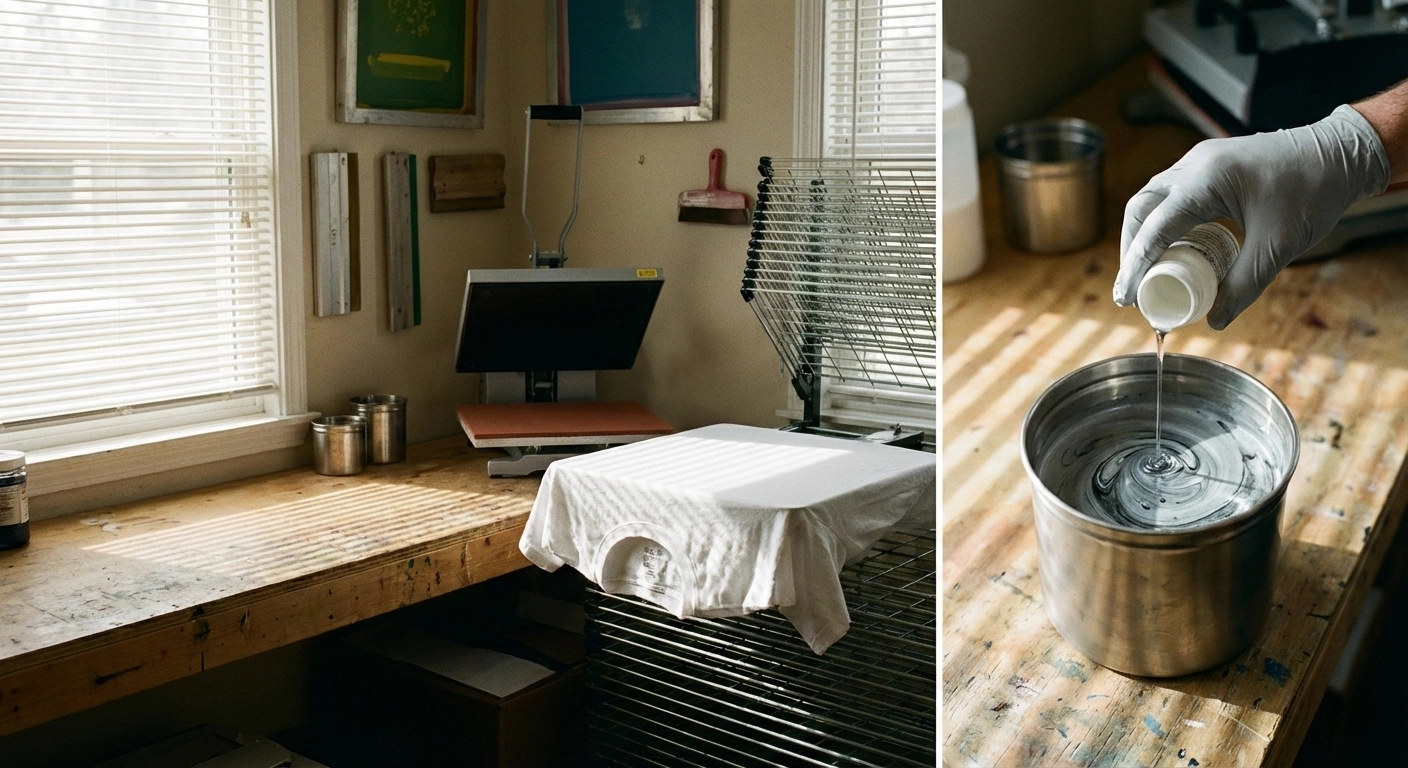
Cold cure additives help ink dry without heat. These additives mix with water based ink before printing. The chemicals inside the additive react with the ink. This reaction makes the ink harden at room temperature. Printers use this method when they do not have access to heat equipment.
How it works:
- Mix the cold cure additive into the ink.
- Print the design onto the fabric.
- Let the print air dry for several hours or overnight.
Pros:
- No need for heat machines.
- Good for small studios or home setups.
Cons:
- Takes longer to cure.
- May not be as strong as heat-cured prints.
Cold cure additives work best in dry, warm rooms. Humid air can slow down the curing process.
Heat Press Machines
Heat press machines use high temperature and pressure to cure ink. The machine presses the printed fabric between heated plates. The heat makes the ink bond with the fabric. The pressure helps the ink stick better.
How it works:
- Place the printed fabric on the heat press.
- Set the temperature and time.
- Press the fabric for 30 to 60 seconds.
Many studios use heat press machines for curing water based ink. This method gives strong, bright prints. It works well for cotton, polyester, and blends.
Table: Heat Press Machine Features
| Feature | Benefit |
|---|---|
| High temperature | Fast curing |
| Adjustable timer | Precise control |
| Pressure setting | Better ink bonding |
Cnding offers advanced heat press machines. These machines have smart controls and safety features. They help studios cure prints quickly and safely.
Infrared Tunnel Dryers
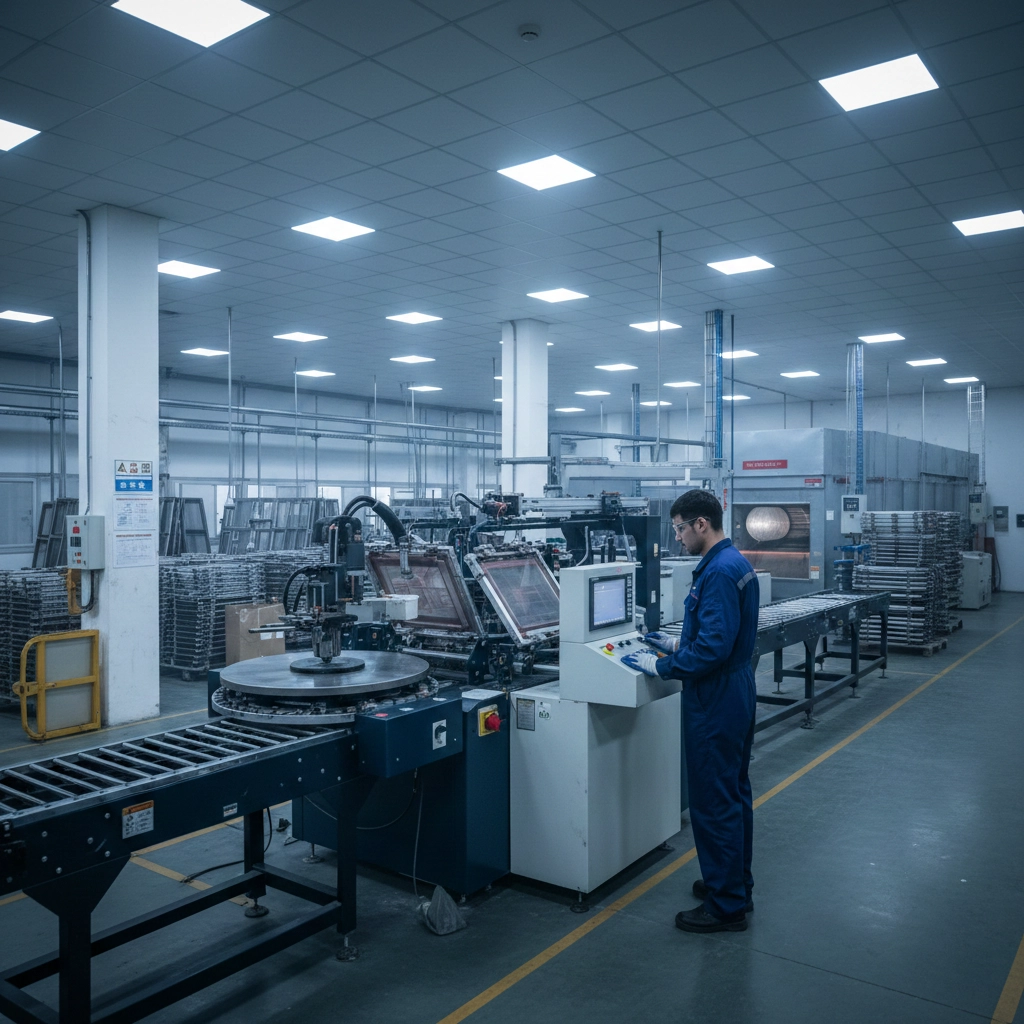
Infrared tunnel dryers use heat and airflow to cure ink. The printed fabric moves through a heated tunnel on a conveyor belt. Infrared lamps and fans dry the ink fast. This method works well for large batches and busy studios.
How it works:
- Place printed items on the conveyor belt.
- Set the temperature zones.
- Fabric moves through the tunnel and dries evenly.
Infrared tunnel dryers cure water based ink quickly. They give strong, wash-resistant prints. Studios that print many shirts each day use tunnel dryers for speed and consistency.
Cnding provides advanced tunnel dryer solutions. Their machines have smart temperature controls and wide belts for smooth drying.
Each method has its own strengths. Cold cure additives work for small setups. Heat press machines give strong results for many fabrics. Infrared tunnel dryers suit high-volume production. Studios can choose the best method for their needs and budget.
Cold Cure Additives Explained
How They Work
Cold cure additives help printers set water based ink without heat. These additives contain special chemicals. When mixed with ink, they start a reaction. This reaction makes the ink harden at room temperature. The ink forms a film on the fabric. The film protects the print and helps it last longer.
Cold cure additives do not need ovens or heat presses. This makes them useful for small studios or home printers.
Process Steps
- Measure the right amount of cold cure additive.
- Mix the additive into the water based ink.
- Stir the mixture until it looks even.
- Print the design onto the fabric.
- Let the print air dry in a clean, dry space.
- Wait several hours or overnight for full curing.
A table can help you remember the steps:
| Step | Action |
|---|---|
| 1 | Measure additive |
| 2 | Mix with ink |
| 3 | Stir well |
| 4 | Print on fabric |
| 5 | Air dry |
| 6 | Wait for curing |
Pros and Cons
Pros:
- No need for heat equipment.
- Good for low budgets.
- Simple process.
Cons:
- Takes longer to cure.
- Needs dry, warm air.
- May not work well in humid rooms.
Wash Durability
Cold cure additives can make prints last through several washes. The durability depends on the ink, fabric, and drying conditions. Prints cured this way may not be as strong as those cured with heat. Some fading or cracking can happen after many washes. For best results, follow the instructions for each additive and test your prints before making large batches.
Always check your prints after washing to see if the curing worked well.
Curing water based ink with cold cure additives gives an easy option for small studios. It works best when heat tools are not available.
Heat Press Machines for Curing
How Heat Presses Cure Ink
Heat press machines use heat and pressure to set ink. The heat makes water leave the ink. Then, the pigment and resin stick to the fabric fibers. The plates press down and make a soft layer on the textile. The usual temperature is about 320°F. Airflow helps take away moisture. This makes prints strong and last longer. Cnding’s Automatic Heat Press Machine uses smart heating tubes. It keeps the temperature steady. This helps every print cure evenly and safely.
Step-by-Step Guide
- Set the heat press to 330°F.
- Put a Teflon sheet on the printed design.
- Lower the press so it hovers for 10–20 seconds. This helps water leave the ink.
- Press down with medium pressure.
- Hold for 30–40 seconds to cure the ink.
- Lift the press and take off the Teflon sheet.
- Remove the shirt from the machine.
Always read the instructions for your ink and fabric.
Cnding’s Automatic Heat Press Machine has extra safety features. It shuts off if it gets too hot. It locks to keep users safe. The pressure plate can be changed for cotton, linen, or synthetics. The tri-mode control system lets you print different designs.
Wash Durability
Prints cured with heat presses last a moderate time. Most prints stay good for 25–40 washes. The ink sticks well to the fabric. It may not last as long as sublimation prints. For promo shirts or short-term use, heat press curing works well. Using good ink and following steps helps prints stay bright and flexible after washing.
Cnding’s Automatic Heat Press Machine helps studios get professional results. The machine is safe, efficient, and flexible. It is a smart pick for small studios.
Infrared Tunnel Dryers for Curing
How Tunnel Dryers Work
Infrared tunnel dryers use heat and air to cure prints. The printed fabric moves on a belt through a heated tunnel. Inside, infrared heaters warm the ink fast. Fans blow hot air around the fabric. This helps the ink dry evenly and stick well. Cnding’s Continuous Tunnel Type Tray Tunnel Dryer Tunnel Oven uses smart controls to keep the temperature steady. The machine has different heating zones. Each zone can have its own temperature. This makes curing more exact and dependable.
| Feature | Benefit |
|---|---|
| Variable Temperature Controller | Changes heat for different inks |
| Variable Speed Controller | Changes how fast items move through the tunnel |
| Fully Insulated Tunnel | Saves energy and keeps heat inside |
| Long Tunnel Length | Gives more time for ink to cure |
| Adjustable Belt Speed | Matches curing time to ink type |
| Open Weave PTFE Coated Belt | Cuts static and helps print quality |
Process Overview
Curing water based ink in an infrared tunnel dryer is easy. The steps below show how the machine works:
| Step | Description |
|---|---|
| 1 | Infrared heaters warm the ink fast |
| 2 | Set the temperature and belt speed for best results |
| 3 | The heating chamber gives even curing |
| 4 | Dual zone controls keep temperatures steady |
| 5 | Exhaust fans take out moisture and keep air clean |
Always check the settings for your ink and fabric before you start the dryer.
Pros and Cons
Pros:
- Cures many items at once
- Works fast for big orders
- Makes even, strong prints
- Saves energy with smart design
Cons:
- Needs more space than a heat press
- Costs more to buy and set up
Cnding’s tunnel dryers are great for busy studios. They help printers finish big jobs fast and with less work.
Wash Durability
Prints cured in an infrared tunnel dryer last a long time. The heat and airflow make the ink stick well to the fabric. Most prints stay bright and strong after many washes. This method is best for shops that want top quality and need to cure many shirts each day. Using a tunnel dryer helps studios get the best results when curing water based ink.
What Happens If You Skip Curing
Wash Test Results
Skipping the curing step can cause big problems for printed fabrics. When you wash a shirt that has uncured water based ink, the print often does not last. The ink may start to come off after just one wash. Sometimes, the design looks faded or patchy right away.
Here is a simple table showing what can happen after washing prints that were not cured:
| Wash Cycle | Print Appearance | Ink Condition |
|---|---|---|
| 1st Wash | Colors look faded | Ink starts to peel |
| 3rd Wash | Design gets patchy | Ink cracks or lifts |
| 5th Wash | Print almost disappears | Ink washes away |
Always test a sample print by washing it before making a full batch. This helps you see if your curing process works.
Common Failures
When water based ink does not cure, the print faces many problems. These issues can make the product look bad or even ruin it. Some of the most common failures include:
- Poor adhesion: The ink does not stick well to the fabric.
- Weak washfastness: The print fades or disappears after a few washes.
- Fading: Colors lose their brightness quickly.
- Bleeding: Ink spreads outside the design lines.
- Smudging: The print blurs when touched or washed.
- Washability issues: The design cannot survive normal laundry cycles.
These failures can disappoint customers and waste materials. Proper curing helps avoid these problems and keeps prints looking sharp and lasting longer.
Good curing is the key to strong, bright, and long-lasting prints.
Choosing the Right Curing Method
Comparing Cost and Space
Studios have different budgets and room sizes. Cold cure additives cost the least. They do not need machines or extra space. Heat press machines cost more but fit on a table. They work well for small shops. Infrared tunnel dryers need the most space. These dryers cost more to buy and run. They work best in large studios with many orders. The table below shows a quick comparison:
| Method | Cost | Space Needed | Best For |
|---|---|---|---|
| Cold Cure Additives | Low | Very Small | Home/small studios |
| Heat Press Machines | Medium | Small | Small/medium shops |
| Infrared Tunnel Dryers | High | Large | Large studios |
Measure your workspace before choosing a curing method.
Matching to Production Needs
Every studio has unique needs. Some print a few shirts each week. Others print hundreds each day. The right method depends on how much you print and your work environment.
- Studios with low humidity must keep ink wet on screens. A fogging system can help.
- Squeegee pressure matters. Use more pressure for the first screen and less for others.
- Forced-air dryers with enough chamber time help all water leave the ink. This prevents problems with adhesion and washfastness.
- Large orders need machines that cure many items at once. Small batches can use heat presses or cold cure additives.
Curing water based ink works best when you match your method to your studio’s size and daily output.
Practical Tips
Industry experts share helpful tips for better results:
- Check your shop’s humidity and temperature. These affect how ink cures.
- Make sure garments are dry before printing. Wet fabric can cause ink to peel.
- Keep good airflow in your dryer. This stops humidity from building up.
- Watch the time and temperature during curing. Too much heat can damage prints.
Test your process with a sample print before starting a big job.
Curing water based ink makes prints last longer. It also helps prints look neat and professional. Here are some important things to know:
- Water-based inks can fade after washing. If you cure them the right way, they last almost as long as plastisol inks.
- Using a catalyst helps prints stay strong.
- Each curing method works for different studios and budgets.
Water-based inks cure when all the water leaves the ink. Only the colors stay on the fabric. In a dry shop, it can be hard to keep ink wet on screens.
Picking the best curing method gives better prints. Studios that want strong, long-lasting prints should use advanced equipment from cnding. This helps get great results and reliable prints.