


Why a Game-Changer for Your Print Shop a Screen Drying Cabinet
You need a screen printing drying cabinet in your shop to keep your prints sharp and your workflow smooth. This cabinet creates a controlled space where screens dry evenly. Many print shops face problems like ink drying on screens, image area contamination, and wasted materials. Sometimes ink gets stuck in the mesh threads, which slows down production. In one textile shop in Bangladesh, screens dried improperly and caused delays until they upgraded their equipment. Solving these issues boosts your business and keeps customers happy.
Screen Printing Drying Cabinet Basics
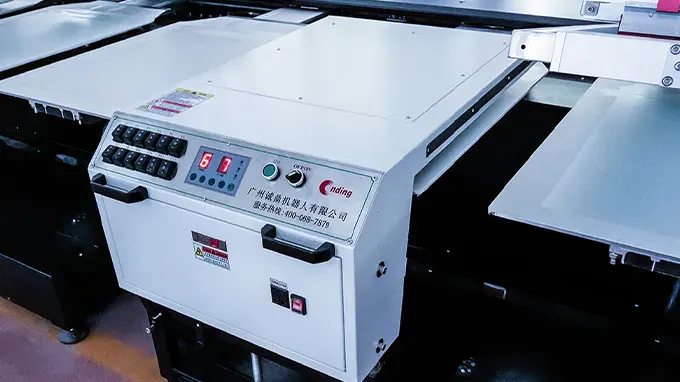
What Is a Screen Printing Drying Cabinet
A screen printing drying cabinet is a specialized piece of equipment that helps you dry your screens in a controlled environment. You place your freshly coated or washed screens inside the cabinet. The cabinet keeps dust, dirt, and other contaminants away from your screens. This means you get cleaner, sharper prints every time. Many print shops use these cabinets to improve their workflow and reduce wasted materials.
Cnding has spent over 20 years developing advanced drying cabinet technology. The company focuses on quality, efficiency, and innovation. When you use a drying cabinet from Cnding, you benefit from their experience and commitment to the screen printing industry.
How It Works
A screen printing drying cabinet uses a combination of heat and air circulation to dry your screens quickly and evenly. The cabinet includes an electric heating tube and a fan. The fan moves hot air around the screens, making sure every part dries at the same rate. You can adjust the temperature, usually between 40°C and 50°C, to match your needs. The cabinet uses a fin-type radiator to improve heat exchange, which helps dry your screens faster and saves energy.
Here is a table that shows how a typical drying cabinet operates:
| Feature | Description |
|---|---|
| Heating Mechanism | Uses an electric heating tube with a fan for hot air circulation. |
| Temperature Control | Adjustable range of 40~50℃ for safe, even drying. |
| Efficiency | Dries up to 5 screens at once, saving time and energy. |
| Heat Exchange | Fin-type radiator boosts drying speed and efficiency. |
| Maintenance | Stainless steel liner makes cleaning easy. |
| PID Constant Temperature | Automatically stops heating when set temperature is reached to save electricity. |
You can dry several screens at the same time, which helps you keep up with busy production schedules. The stainless steel liner makes cleaning simple, so you spend less time on maintenance.
Key Features
When you choose a high-quality screen printing drying cabinet, you get more than just basic drying. These cabinets offer features that set them apart from standard drying solutions. You will notice the difference in design, performance, and ease of use.
| Feature | High-Quality Drying Cabinets | Standard Drying Solutions |
|---|---|---|
| Design | Spacious and flexible for different screen sizes | Limited size and flexibility |
| Performance | Dust-free with built-in air filtration | May lack dust prevention |
| User-Friendliness | Intuitive control panel with temperature/time settings | Basic controls |
| Durability | Built with professional-grade materials | Less durable materials |
| Compatibility | Supports UV LED exposure units | Limited compatibility |
| Drying Efficiency | Climate-controlled for consistent results | May not provide consistent drying |
| Maintenance | Easy to clean and maintain | More effort to maintain |
A high-quality cabinet gives you a dust-free environment, which is important for perfect prints. You can set the temperature and drying time using a simple control panel. The cabinet is built to last, using strong materials that handle daily use. Some models even work with UV LED exposure units, making your workflow smoother.
Cnding leads the way in drying cabinet innovation. Their cabinets combine advanced technology with user-friendly features. You get reliable performance, easy maintenance, and the flexibility to handle different screen sizes and types. This makes your print shop more efficient and helps you deliver top-quality results.
Common Drying Problems
Contamination Risks
You face contamination risks every time you dry screens in an open environment. Dust, lint, and airborne particles settle on wet screens. These contaminants block the mesh and ruin the stencil. You see blurred edges and unwanted marks on your prints. If you work in a busy shop, foot traffic and movement stir up even more dust. In Bangladesh, a textile company struggled with dust settling on screens. Their prints lost sharpness, and customers complained about quality. After switching to a Screen Printing drying cabinet, they noticed cleaner prints and fewer complaints.
Tip: Always dry screens in a controlled space to keep dust and dirt away. This simple step protects your stencils and improves print quality.
Inconsistent Results
You want every print to look the same, but inconsistent drying makes this difficult. Screens dry at different rates depending on humidity and temperature. If you dry screens in a room with high humidity, the ink stays wet longer. This leads to smudging or ink transfer when you handle the screens. Low humidity causes screens to dry too quickly, which clogs the mesh and prevents proper ink transfer. You see uneven colors and patchy prints.
Here is a table that shows how environmental conditions affect drying and print quality:
| Environmental Condition | Effect on Drying Results | Impact on Print Quality |
|---|---|---|
| High Humidity | Prolongs drying time | Leads to smudging or ink transfer during handling |
| Low Humidity | Causes quick drying | Results in clogged screens or incomplete ink transfer |
A textile company in Qingdao faced these problems. Their screens dried unevenly, and they wasted materials on prints that did not meet standards. Consistent drying is key to reliable results.
Production Delays
You lose valuable time when screens do not dry as expected. Production slows down, and deadlines become harder to meet. Several factors cause these delays:
- High humidity slows ink drying and curing, which affects adhesion and durability.
- Extreme cold temperatures prolong drying times and hinder ink adhesion, leading to poor print quality.
- Low air pressure causes inks to dry too quickly, resulting in low-quality prints and unwanted residue.
- Air contaminants like dust clog screens and stencils, leading to inconsistent print quality.
You may need to redo prints or wait for screens to dry, which increases labor costs. In busy shops, these delays pile up and affect your reputation. Using a Screen Printing drying cabinet helps you avoid these problems. You keep your workflow steady and meet customer expectations.
Drying Cabinet Solutions
Controlled Environment
You need a controlled environment to get the best results in screen printing. A Screen Printing drying cabinet creates this environment for you. The cabinet uses advanced systems to keep your screens safe from dust and changes in temperature. You can set the exact temperature you want. The cabinet holds that temperature steady. This helps your screens dry evenly every time.
The cabinet uses several features to keep conditions perfect:
| Feature | Benefit |
|---|---|
| Air Filtration System | Keeps screens clean during drying |
| Eleven Fans | Ensures even air circulation for consistent drying |
| Digital Temperature Controls | Allows for precise control of drying conditions |
You get clean screens and reliable results. You do not have to worry about outside air or dust ruining your work. The cabinet does the hard work for you.
Tip: Set your drying cabinet to the recommended temperature for your emulsion. This helps you avoid problems with under- or over-drying.
Faster Drying
You want your screens to dry quickly so you can keep production moving. A drying cabinet speeds up this process. The cabinet uses heat and strong air flow to dry screens much faster than open air or a regular room. You save time and reduce waiting.
Here is a table that shows how fast a drying cabinet works:
| Method | Drying Time |
|---|---|
| Screen with photosensitive emulsion | 2-4 minutes |
| Screen without photosensitive emulsion | 1 minute |
You can see that a drying cabinet cuts drying time down to just a few minutes. This means you can coat, dry, and use your screens much faster. You finish jobs sooner and take on more work.
Note: Fast drying does not mean you lose quality. The cabinet keeps the temperature and air flow steady, so your screens dry evenly every time.
Dust-Free Results
Dust can ruin your prints. You need a dust-free space for drying screens. A drying cabinet gives you this protection. The cabinet uses filtered air to keep dust away from your screens. It also creates positive pressure inside. This means air flows out when you open the door, so dust cannot get in.
Here is how the cabinet keeps your screens dust-free:
| Evidence Description | Purpose in Dust-Free Drying Process |
|---|---|
| Filtered air circulating across the surface of the coated screens. | Ensures that dust particles are removed from the air. |
| Positive pressure can be created by having a smaller vent opening than intake. | Prevents contamination from entering the cabinet. |
| The most desirable cabinet design would be a combination of dehumidifier, heater… | Maintains optimal conditions for drying without dust. |
You get sharp, clean prints every time. You do not have to redo work because of dust or dirt. Your shop stays efficient, and your customers stay happy.
Cnding Product Advantages
When you choose a drying cabinet from Cnding, you get more than just a place to dry your screens. You invest in advanced technology that improves every part of your printing process. Cnding designs its cabinets and dryers to solve the problems you face in your shop.
Here are the key advantages you gain with Cnding drying solutions:
- Precise Temperature Control You set the exact temperature for your screens. Cnding cabinets use digital controls and multiple heating zones. This keeps every screen at the right temperature, so you avoid under-drying or over-drying.
- Uniform Air Circulation You get even drying across all screens. Cnding uses powerful fans and smart airflow systems. Every part of the cabinet receives the same amount of heat and air, which means you see consistent results.
- Energy Efficiency You save money on electricity. Cnding cabinets use advanced infrared heating and hot air circulation. The system dries screens quickly without wasting energy. You lower your operating costs and help the environment.
- Dust and Contaminant Protection You keep your screens clean. Cnding cabinets feature air filtration and positive pressure systems. Dust stays out, and your prints stay sharp.
- Flexible Design You work with screens of different sizes and types. Cnding cabinets and dryers adjust to fit your needs. You can dry polyester, cotton, and other materials without changing your setup.
- Easy Maintenance You spend less time cleaning and fixing equipment. Cnding builds its cabinets with stainless steel liners and modular parts. You clean the fans and heating tubes quickly, so your shop runs smoothly.
- Smart Fault Diagnosis You avoid unexpected downtime. Cnding dryers include built-in fault diagnosis systems. The cabinet alerts you to problems like overheating or power interruptions. You fix issues before they affect your workflow.
Tip: Regularly check the fault diagnosis system and clean the air filters. This keeps your Cnding cabinet working at peak performance.
Comparison Table: Cnding Drying Cabinets vs. Standard Drying Solutions
| Feature | Cnding Drying Cabinets | Standard Drying Solutions |
|---|---|---|
| Temperature Control | Digital, multi-zone, precise | Manual, single-zone, less precise |
| Air Circulation | Powerful fans, uniform airflow | Basic fans, uneven airflow |
| Energy Efficiency | Infrared + hot air, low consumption | Conventional heating, higher cost |
| Dust Protection | Air filtration, positive pressure | No filtration, open to dust |
| Maintenance | Easy access, modular design | Harder to clean, fixed parts |
| Fault Diagnosis | Built-in system, instant alerts | No alerts, manual checks |
| Material Flexibility | Supports many fabrics and screen sizes | Limited compatibility |
Cnding stands out because you get reliable, high-tech equipment that supports your business growth. You see fewer defects, faster drying times, and better print quality. Many print shops in Bangladesh and Qingdao have improved their workflow and customer satisfaction after switching to Cnding solutions.
If you want to boost your shop’s efficiency and deliver top-quality prints, Cnding drying cabinets give you the edge you need.
Comparing Drying Methods
Drying Cabinet vs. Open Air
When you dry screens in open air, you depend on the weather. Humidity, temperature, and dust can change every day. This makes your results unpredictable. Sometimes, screens take hours to dry. Dust and airborne particles can settle on wet screens, causing defects in your prints.
A drying cabinet gives you control. You set the temperature and airflow. The cabinet keeps dust out and dries screens evenly. Studies show that cabinet drying achieves up to 80% weight loss, while open air or sun drying only reaches about 36%. This means your screens dry faster and more thoroughly in a cabinet. You also avoid delays caused by rain or cold weather.
Tip: Use a drying cabinet if you want stable results and less downtime. You will not have to wait for the weather to cooperate.
| Feature | Drying Cabinet | Open Air Drying |
|---|---|---|
| Drying Time | Fast and consistent | Slow, weather-based |
| Quality | Even, dust-free | Uneven, risk of dust |
| Control | Full temperature/air | No control |
| Efficiency | High | Low |
| Labor | Lower | Higher |
Drying Cabinet vs. Drying Room
Some print shops use a drying room. This is a separate space with racks and sometimes fans or heaters. While a drying room offers more control than open air, it still has limits. You may struggle to keep the temperature and humidity steady. Airflow can be uneven, so some screens dry faster than others.
A drying cabinet creates a smaller, more controlled environment. You get precise temperature settings and strong air circulation. The cabinet filters the air, keeping dust and lint away from your screens. You also save space in your shop. Cabinets fit into tight areas, while drying rooms need more floor space.
Drying cabinets help you achieve better print quality with less effort. You spend less time checking screens and more time printing.
Cnding Dryers
Cnding offers advanced drying solutions for every print shop. If you need to dry large volumes of screens or garments, the Continuous Tunnel Type Tray Tunnel Dryer Tunnel Oven is a top choice. This dryer uses infrared heating and hot air circulation. You get even drying across all materials, from polyester to cotton. The dryer features multiple temperature zones, so you can adjust settings for different jobs. Built-in fault diagnosis keeps your production running smoothly.
For smaller jobs or spot drying, Cnding’s flash dryers are ideal. The Auto Moving Silkscreen Flash Dryer and the Standard Portable Screen Printing Flash Dryer both use carbon infrared tubes. You can adjust the power and drying area to match your needs. These dryers work well for detailed prints and quick turnaround times.
| Cnding Dryer Model | Best For | Key Features |
|---|---|---|
| Continuous Tunnel Type Tray Tunnel Oven | High-volume, consistent drying | Infrared + hot air, multi-zones |
| Auto Moving Silkscreen Flash Dryer | Automated lines, spot drying | Dual-zone, PLC control, safety |
| Standard Portable Flash Dryer | Small shops, flexible setups | Modular, adjustable, easy to move |
With Cnding dryers, you get reliable, efficient, and high-quality drying. You can handle any job size and deliver top results every time.
Practical Benefits for Print Shops
Print Quality
You want every print to look sharp and professional. A Screen Printing drying cabinet helps you achieve this goal. When you dry your screens in a controlled environment, you prevent dust and dirt from sticking to the emulsion. This means your stencils stay clean, and your prints come out crisp. You avoid blurry edges and unwanted marks. Consistent drying also keeps your ink flowing smoothly through the mesh. You get even coverage and bright colors on every job.
Many print shops notice a big improvement in print quality after switching to a drying cabinet. For example, a textile company in Bangladesh struggled with dust and uneven drying. After they started using a drying cabinet, their prints became clearer, and customer complaints dropped. You can expect the same results in your shop.
Tip: Always check your screens for dust before printing. Clean screens lead to better prints and happier customers.
Efficiency
You need to keep your production moving to meet deadlines. A drying cabinet speeds up your workflow. You can dry multiple screens at once, which saves you time. The cabinet uses heat and strong airflow to dry screens much faster than open air or a drying room. You do not have to wait for hours. Instead, you can coat, dry, and use your screens in just a few minutes.
This boost in efficiency lets you take on more jobs. You can finish orders faster and keep your customers satisfied. Shops in Qingdao saw a big jump in output after upgrading their drying equipment. They could handle more work without adding extra staff or space.
Here is a quick look at how a drying cabinet improves your workflow:
- Dries screens quickly and evenly
- Handles several screens at once
- Reduces waiting time between steps
- Keeps your production line moving
Cost Savings
You want to save money while delivering top-quality prints. A drying cabinet helps you cut costs in several ways:
- Faster Drying: You reduce the time needed to dry screens, which means you can complete more jobs in less time.
- Stable Drying Environment: You control temperature and humidity, so you get consistent results and avoid costly rework.
- Reduced Waste: You lower material waste because you avoid problems like under-dried or over-dried screens.
When you waste fewer materials and spend less time fixing mistakes, your shop becomes more profitable. You also save on labor costs because your team works more efficiently. Over time, these savings add up and help your business grow.
Using a drying cabinet is a smart investment. You improve your print quality, speed up your workflow, and save money on every job.
Stencil Longevity
You want your stencils to last as long as possible. A drying cabinet helps you achieve this goal. When you dry screens in a controlled environment, you protect the emulsion from damage. Dust, moisture, and temperature swings can shorten stencil life. You avoid these problems with a drying cabinet.
Stencils that dry too quickly or unevenly often crack or peel. This leads to wasted materials and extra work. You spend more time recoating screens and less time printing. A drying cabinet keeps the temperature steady and the air clean. Your stencils dry at the right speed, which prevents cracking and flaking.
Tip: Always check your drying cabinet settings before starting a new batch. Consistent temperature and airflow help your stencils last longer.
Here is a table that shows how drying methods affect stencil longevity:
| Drying Method | Average Stencil Lifespan | Common Problems |
|---|---|---|
| Open Air | Short | Cracking, peeling, dust |
| Drying Room | Medium | Uneven drying, humidity |
| Drying Cabinet | Long | Minimal defects, clean |
You see the difference when you use a drying cabinet. Your stencils stay strong through more print runs. You save money because you replace screens less often.
Many print shops report fewer stencil failures after switching to Cnding drying cabinets. For example, a textile company in Qingdao noticed their stencils lasted twice as long. They spent less on emulsion and screen mesh. Their team had more time for printing and less time for repairs.
You also get easier operation. When your stencils last longer, you do not need to stop production for frequent screen changes. Your workflow stays smooth. You meet deadlines without rushing or making mistakes.
Here are some benefits you gain with longer stencil life:
- Lower material costs
- Less downtime for screen changes
- Fewer rejected prints
- More consistent quality
You improve your shop’s reputation when you deliver reliable results. Customers trust you to produce high-quality prints every time.
Note: Regular maintenance of your drying cabinet helps you keep stencil longevity at its best. Clean the filters and check the temperature controls often.
You make a smart investment when you choose a Cnding drying cabinet. You protect your stencils, save money, and keep your print shop running efficiently.
Choosing the Right Drying Cabinet
Essential Features
You want a drying cabinet that fits your shop’s needs and helps you deliver top-quality prints. Start by looking for features that make your work easier and your results more reliable. A good drying cabinet should offer:
- Precise temperature control: You need to set and hold the right temperature for your screens. This keeps your stencils strong and your prints sharp.
- Uniform air circulation: Even airflow dries every screen at the same rate. This prevents patchy or uneven results.
- Dust protection: A sealed cabinet with air filtration keeps dust and lint away from your screens.
- Easy-to-use controls: Simple buttons or a digital panel help you adjust settings quickly.
- Durable construction: Strong materials like stainless steel last longer and handle daily use.
- Flexible capacity: You may need to dry different screen sizes or several screens at once.
Tip: Always check the cabinet’s compatibility with your current workflow and the types of screens you use.
Here is a quick table to help you compare:
| Feature | Why It Matters |
|---|---|
| Temperature Control | Prevents under/over drying |
| Air Circulation | Ensures even drying |
| Dust Protection | Keeps prints clean |
| User Controls | Saves time and reduces errors |
| Durability | Withstands heavy use |
| Capacity | Handles your production volume |
Cnding Product Range
Cnding offers a wide range of drying cabinets and dryers to match your shop’s size and production needs. You can find a solution whether you run a small studio or a large factory. Here’s how Cnding addresses different requirements:
- You can choose a manual press for low order volumes. This works well if you print small batches or custom jobs.
- You may need an automatic press or a high-capacity dryer for larger orders. These machines handle higher demand and keep your workflow fast.
- You should consider the types of products you print. Not every machine works with all materials, so pick one that matches your main substrates.
- You can plan for future growth. Investing in a more advanced machine now can save you money and time as your business expands.
Cnding’s product line includes options like the Continuous Tunnel Type Tray Tunnel Dryer Tunnel Oven for high-volume drying and portable flash dryers for flexible setups. Each model uses advanced technology to give you consistent, energy-efficient results.
Support and Maintenance
You want your drying cabinet to work smoothly every day. Cnding supports you with strong maintenance and training services. Here’s what you can expect:
- Routine maintenance keeps your cabinet running well. This includes lubricating moving parts and checking for wear.
- Smart systems in Cnding cabinets send alerts when it’s time for service. You get reminders before small issues become big problems.
- Cnding offers training for your staff. Your team learns how to spot maintenance alerts and respond quickly.
Note: Regular care extends your cabinet’s life and keeps your prints looking their best.
Choosing the right drying cabinet means looking at features, matching your production needs, and making sure you have good support. With Cnding, you get reliable equipment and expert help every step of the way.
Next Steps
Assessing Needs
You want to make the right choice for your print shop. Start by looking at your current drying process. Ask yourself these questions:
- How many screens do you dry each day?
- Do you see problems with dust or uneven drying?
- Are you losing time because screens take too long to dry?
- Do you need to dry different sizes or types of screens?
Write down your answers. This helps you see where you need improvement. You can use a simple table to organize your thoughts:
| Question | Your Answer |
|---|---|
| Number of screens per day | |
| Dust or contamination issues | |
| Drying time delays | |
| Variety of screen sizes/types |
You can use this table to compare your needs with the features of different drying cabinets. This step helps you focus on what matters most for your shop.
Tip: Take photos of your current setup. Visual notes help you spot problems and plan upgrades.
Consulting Experts
You do not have to solve every problem alone. Reach out to experts in screen printing equipment. You can contact Cnding’s technical team for advice. They know how to match drying cabinets to different shop sizes and workflows.
You can ask questions about:
- Which cabinet fits your production volume?
- What features help with your specific materials?
- How does maintenance work for each model?
- What support does Cnding offer after purchase?
You get clear answers and practical tips. Experts can help you avoid costly mistakes. You can also join online forums or local print shop groups. Other shop owners share their experiences and recommendations.
Note: Write down your questions before you call or email. This keeps your conversation focused and productive.
Requesting a Demo
You want to see how a drying cabinet works before you buy. Request a demo from Cnding. You can watch the equipment in action. You see how screens dry quickly and evenly. You learn how to use the controls and maintain the cabinet.
During a demo, you can:
- Test different screen sizes and materials
- Check the temperature and airflow settings
- Ask about cleaning and maintenance steps
- See how the fault diagnosis system works
You get hands-on experience. You feel confident about your decision. If you cannot visit in person, ask for a virtual demo or video walkthrough.
Call to Action: Visit Cnding’s official website to request a demo or speak with an expert. You take the next step toward better print quality and a smoother workflow.
You make smart choices when you assess your needs, consult experts, and see the equipment in action. Cnding helps you upgrade your shop and reach new levels of efficiency.
You need a screen printing drying cabinet to keep your shop running smoothly. This equipment gives you a controlled environment, fast drying, and consistent results. You protect your screens from UV light and control every step of the process. The table below shows why this tool matters:
| Key Feature | Benefit |
|---|---|
| Controlled Environment | Consistent drying and quality prints |
| Speed of Drying | Faster turnaround for more jobs |
| Consistency | Reliable results every time |
| Light-Safe Design | Protects coated screens |
| Process Control | Fewer printing errors |
Evaluate your current setup. Upgrade to Cnding solutions for better prints and higher efficiency. Visit Cnding’s website to learn more.