


Why Your Screen Prints Are Peeling and Fading: How to Fix It
I still remember the first time I pulled a fresh T-shirt off the press. The ink looked bold, smooth, and perfect—like something I’d buy off the rack at a store. But a week later, after two washes, the print started to crack. A month later, the design was barely recognizable.
If you’ve ever been frustrated by screen prints that peel, fade, or wash out too quickly, you’re not alone. It happens to beginners and seasoned printers alike. The good news? It’s rarely “bad luck.” Prints usually fail for predictable reasons—and that means they can be fixed.
Let’s dive into why your prints are peeling and fading, and what you can do to make them last.
The Silent Enemies of a Good Print
Most print failures come down to two things: ink adhesion and curing. If ink doesn’t properly stick to the fabric—or if it never reaches the right temperature to bond—it will come off sooner rather than later.
Here are the most common culprits:
- Improper curing: If the ink isn’t heated to the correct temperature (usually 320°F / 160°C for plastisol), it won’t fuse with the fibers.
- Wrong mesh count or ink type: Using the wrong screen mesh or ink for your fabric leads to uneven coverage.
- Moisture in garments: Printing on damp fabric makes it almost impossible for ink to set properly.
- Poor surface prep: Oils, fabric softeners, or even dust can prevent ink from bonding.
Think of it like painting a wall. If you don’t clean, prime, and seal the surface, the paint will chip no matter how nice the brush strokes look.
The Washing Machine Test
A simple way to check your process is the wash test. Print a shirt, cure it, and run it through several wash-and-dry cycles. If the design fades fast, chances are the ink never fully cured.
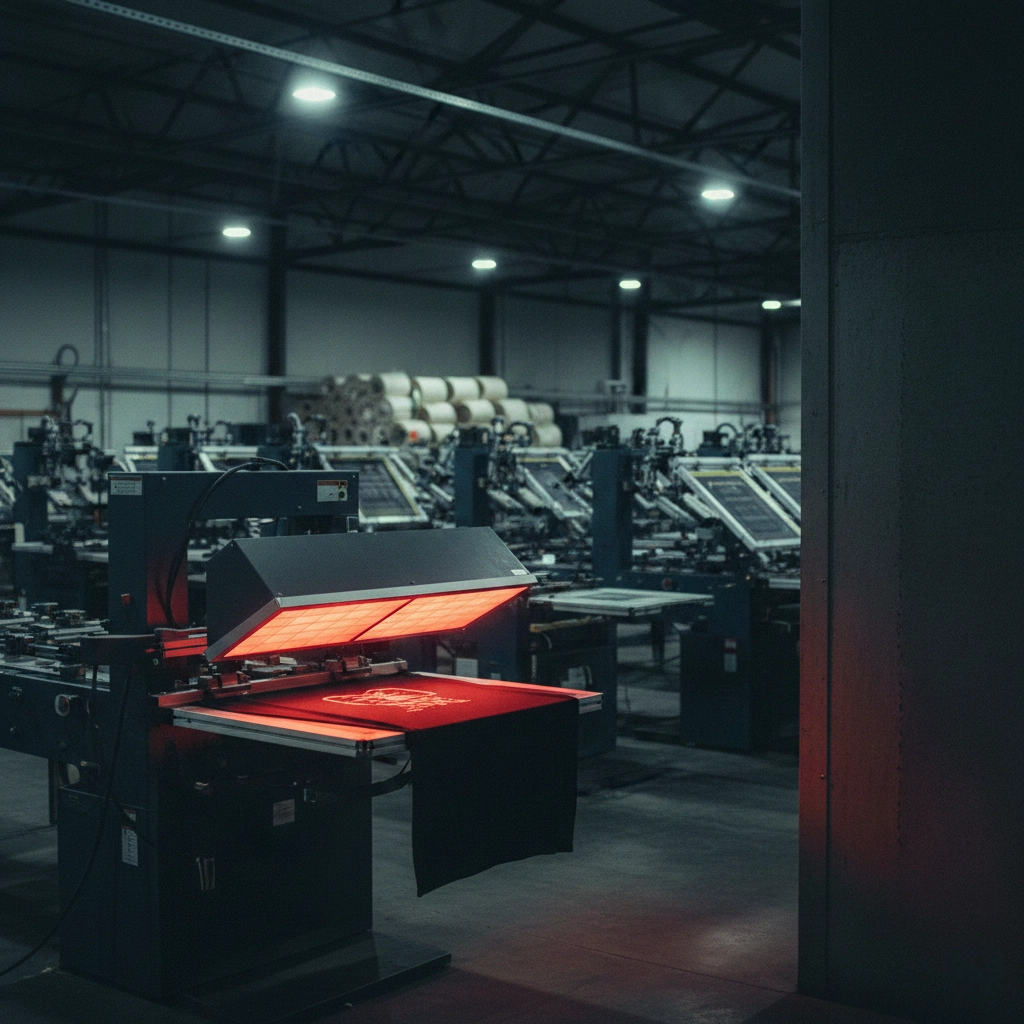
When I first started printing, I was convinced my heat press was “good enough.” But after investing in a proper conveyor dryer and learning how to measure ink temperature (not just the dryer’s surface), my print failures dropped to almost zero.
Sometimes, the problem isn’t the ink at all—it’s the equipment or technique behind the cure.
How to Fix Peeling and Fading Prints
So what do you do when your prints keep disappointing you? Here’s a practical roadmap:
- Dial in your curing process.
Use a laser thermometer or temperature strips to ensure the ink film—not just the shirt—reaches curing temperature. - Match ink to fabric.
Cotton loves plastisol and water-based inks. Polyester needs low-bleed or specialty inks. Don’t guess—check your supplier’s recommendations. - Check your screens.
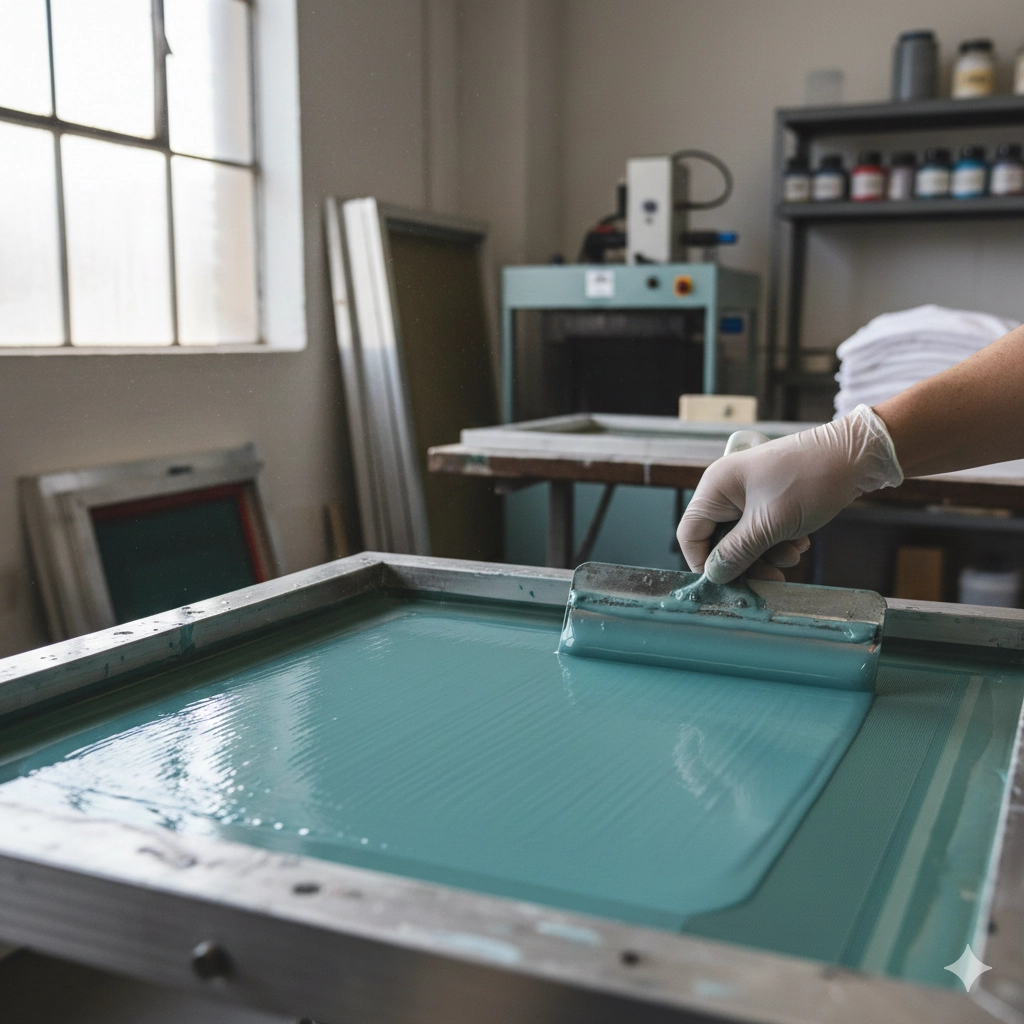
A mesh that’s too coarse or too fine will lay down the wrong amount of ink. For T-shirts, 110–160 mesh is usually a safe starting point. - Prep your garments.
Make sure shirts are dry, lint-free, and pre-pressed if necessary. Moisture is the hidden enemy of good prints. - Don’t skip testing.
Every new batch of garments or ink deserves a test print and wash cycle. It takes time, but it saves you from angry customers later.
A Hard Lesson Learned
I once printed 50 shirts for a local band—black tees with bright white ink. They looked amazing the night of the gig. But two weeks later, I got an email: “Half the shirts cracked after the first wash.”
That email stung. Not just because I had to refund part of the order, but because I realized I skipped testing in a rush to meet the deadline. Since then, my rule has been simple: if I don’t test it, I don’t ship it.
That one painful experience ended up saving me from far bigger headaches down the road.
Make Prints That Last
Screen printing isn’t just about putting ink on fabric—it’s about creating something that holds up to real life. A shirt that survives years of wear and wash becomes more than clothing; it becomes a memory, a favorite, maybe even a lucky charm.
If your prints are peeling or fading, don’t see it as failure. See it as feedback. Every flaw points you toward a stronger process and better craftsmanship.
So next time you pull that shirt from the press, ask yourself: Will this still look good a year from now?
Because that’s the real test of screen printing.