


Why Upgrade to an Automatic Screen Printing Machine
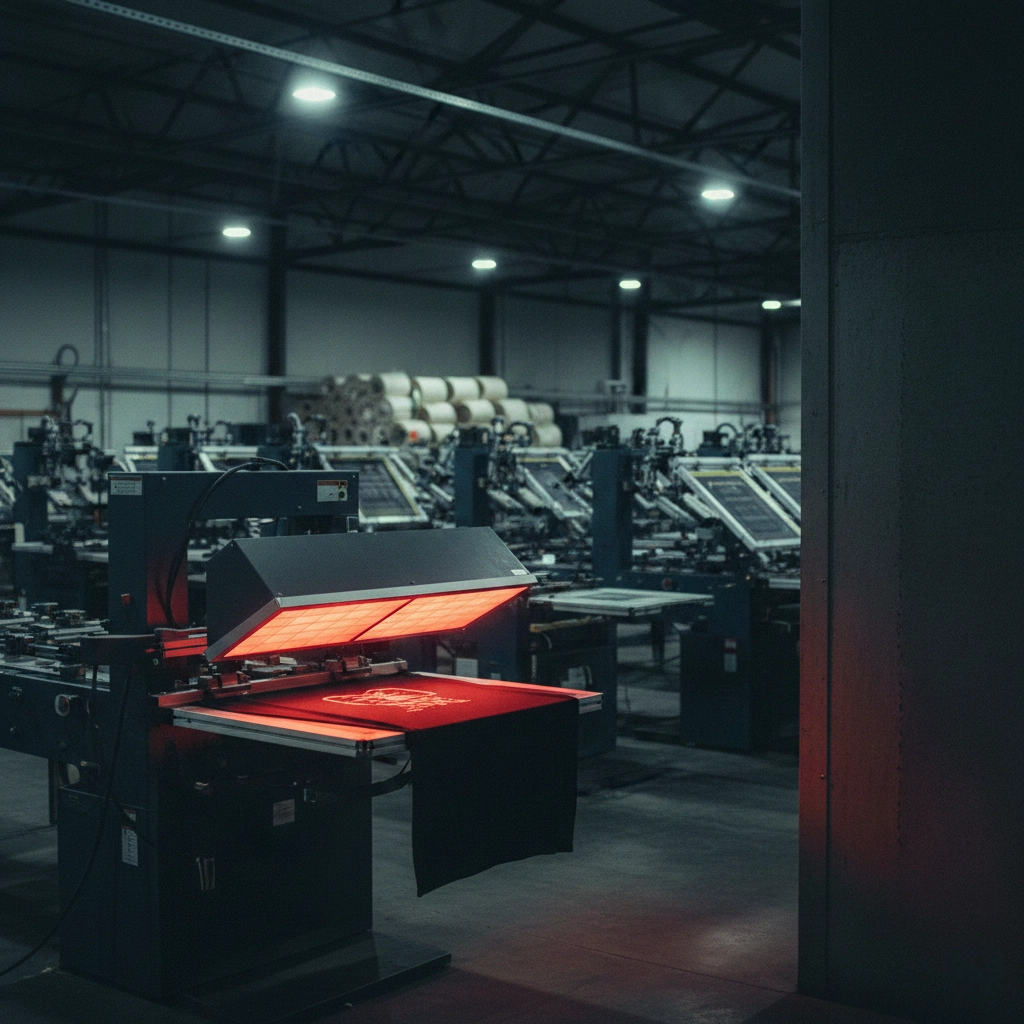
In today’s competitive print market, printing efficiency, consistent quality, and cost control aren’t optional—they’re critical for growth. If your shop is still running manual or semi-automatic equipment, upgrading to an automatic screen printing machine could be the single biggest leap in productivity and profitability you make this year.
The Real Pain Points of Manual & Semi-Automatic Printing
Rising Labor Costs
Manual screen printing requires multiple operators to match the volume that a single automatic machine can handle. The more staff you need, the higher your payroll and training expenses—cutting into profits.
Slower Turnaround Times
Manual printers typically manage 40–100 prints per hour. Automatic presses can reach 500–1,000 prints per hour, slashing production times and allowing you to take on more orders.
Inconsistent Quality
Human error in manual setups often leads to uneven prints, color misalignment, and wasted materials. Automated presses maintain precise registration, reducing defect rates from 10–15% to under 2%.
Physical Strain & Fatigue
Manual printing can cause repetitive strain injuries in shoulders, elbows, and wrists—limiting the long-term productivity of your team.
The Key Benefits of Going Automatic
1. Dramatically Increased Printing Efficiency
Automatic presses deliver up to a 10× speed boost compared to manual setups, producing 500–800 prints per hour with ease.
2. Lower Labor Costs
One or two operators can run a high-volume automatic press, cutting labor requirements by up to 50% and freeing up resources for sales and customer service.
3. Consistent Print Quality
Automated squeegee pressure and laser registration ensure every print is sharp, aligned, and consistent—even for complex multi-color designs.
4. Reduced Downtime Between Jobs
Automatic machines with quick-change platens, rapid ink delivery, and automated substrate handling allow faster job changeovers and reduced idle time.
5. Improved ROI for Printing Equipment
While the initial investment is higher, many businesses recover costs in 1–2 years through increased production capacity and reduced labor expenses.
6. Scalability Without Compromising Quality
Whether you’re handling seasonal spikes or expanding into new markets, automatic presses allow you to ramp up production while maintaining print precision.
7. Better Health & Safety for Operators
By eliminating repetitive manual motions, automatic presses protect your team from common strain-related injuries.
When Should You Upgrade to an Automatic Screen Printing Machine
It’s time to consider upgrading if:
- You regularly print orders of 50+ garments of the same type.
- You’re turning down large or multi-color jobs due to limited capacity.
- You’re weighing the cost of hiring additional printers.
- You want to expand into high-volume or specialty markets.
Maximizing Your Investment in Printing Efficiency
1. Check Your Space & Power Requirements
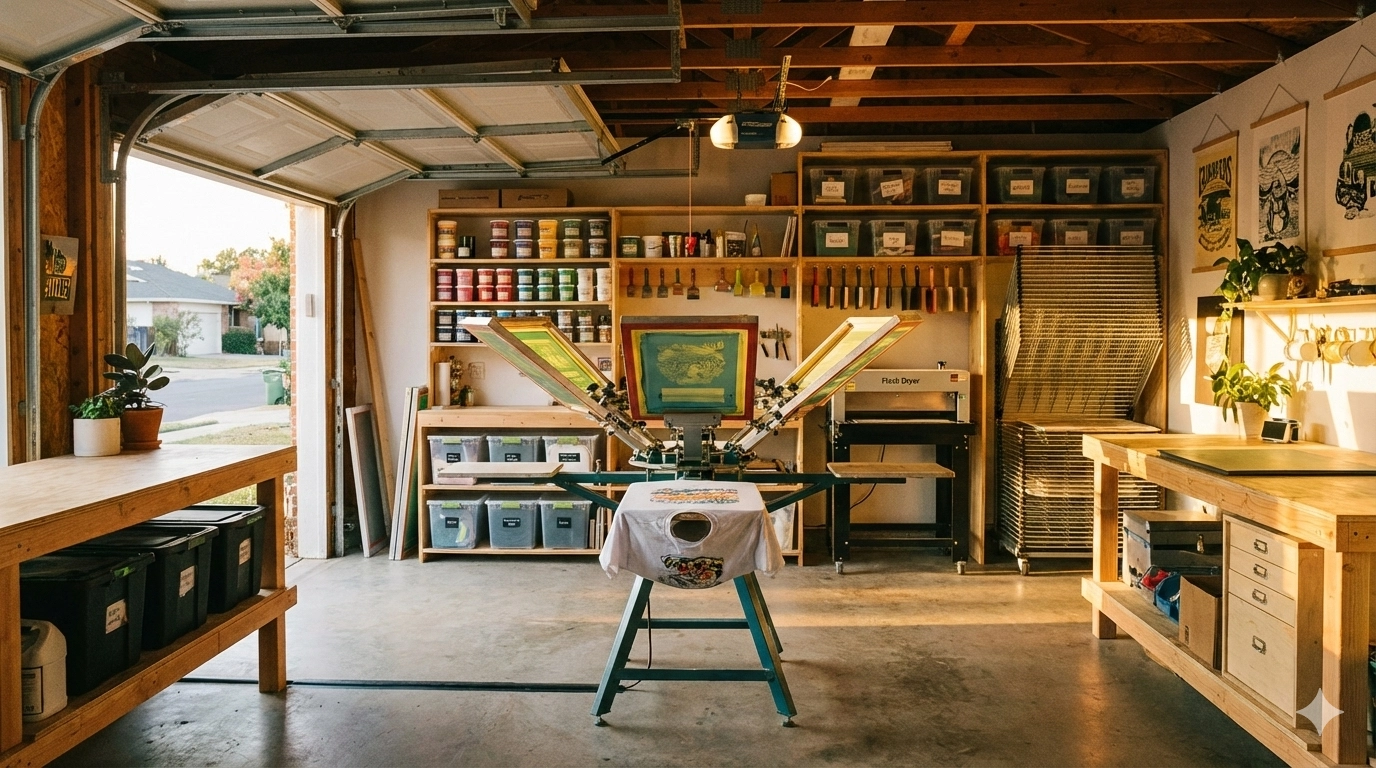
Compact automatic screen printing machines are available for smaller shops, while larger presses need more floor space and higher voltage.
2. Consider Financing for Faster ROI
Lease-to-own programs and flexible financing help you upgrade without heavy upfront costs, improving your ROI for printing equipment.
3. Think Long-Term Growth
Choose a machine that will serve your production needs for the next 5–10 years, not just your current order volume.
The Bottom Line
An automatic screen printing machine isn’t just faster—it’s a business growth engine. You’ll cut labor costs, increase production speed, improve consistency, and win bigger, more profitable jobs.
Contact us today for a personalized quote or explore our range of automatic machines to find the perfect fit for your shop’s needs.