


What Is the Best Way to Print Designs on T Shirts
Choosing the best t-shirt printing method is not a one-size-fits-all decision—especially in the B2B space where volume, durability, cost-efficiency, and scalability are paramount. Whether you’re launching a custom t-shirt business, scaling a production line, or seeking a reliable printing solution for wholesale distribution, understanding the various types of shirt printing is essential.
In this guide, we’ll evaluate the most popular t-shirt printing techniques, including screen printing, DTG printing, sublimation, and heat transfer printing—highlighting their pros and cons, industrial feasibility, and technical requirements. As a leading manufacturer and supplier of industrial screen printing machines, Cnding Group is here to help you choose the best t-shirt printing method that matches your business goals.
1. Screen Printing
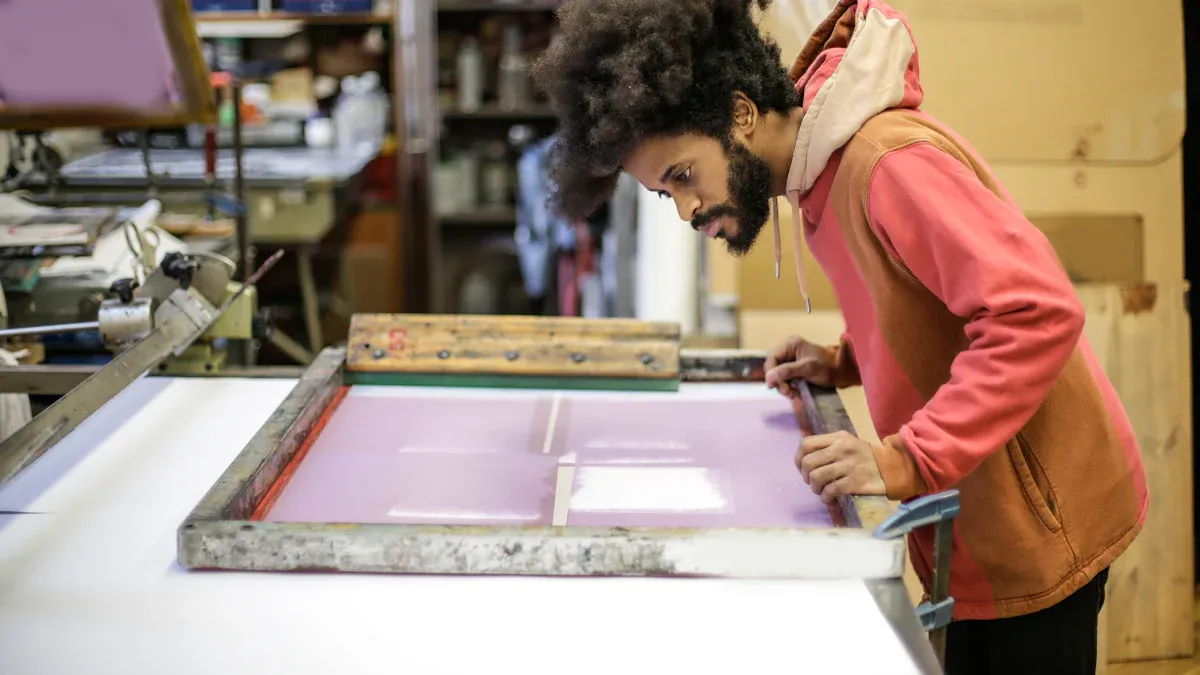
One of the most established and reliable t-shirt printing methods, screen printing involves pushing ink through a mesh screen onto the fabric. It uses a stencil (screen), screen printing ink, and a squeegee to apply the design.
How It Works
Each color requires a separate screen for the t-shirt design. Once screens are created, the process becomes highly efficient for large runs. Industrial setups, like those provided by Cnding Group, can enhance different t-shirt printing options. print hundreds of custom shirts per hour.
Pros
- Exceptionally durable and vibrant prints
- Cost-effective for high-volume orders
- Ideal for cotton t-shirts, blends, and some synthetics
- Compatible with most fabric types for various t-shirt printing options.
- Proven method in the garment printing industry
Cons
- Setup is labor-intensive
- Limited color complexity (one screen per color)
- Not suitable for photo-realistic or intricate images
- Less ideal for short runs
Best For
- Bulk production (50+ shirts per design)
- Simple branding (logos, slogans)
- Businesses prioritizing consistency, speed, and durability
Cnding Group’s advanced screen printing machines streamline the entire printing process, offering automation, multicolor carousel systems, and precise registration—all essential for scaling your printing business.
2. DTG Printing (Direct-to-Garment Printing)
DTG t-shirt printing uses inkjet technology to apply water-based inks directly onto the t-shirt. It excels at detailed artwork with no setup screens, making it ideal for small batch or on-demand production.
How It Works
A pre-treated cotton t-shirt is loaded onto a platen, and the design is printed like printing on paper. Afterward, the ink is cured using a heat press.
Pros
- High-resolution prints with rich detail
- No screen setup required
- Great for custom t-shirts and short runs
- Eco-friendly water-based inks
- Seamless integration with print on demand platforms
Cons
- Slower than screen printing for large orders
- Best suited for light-colored cotton t-shirts
- Requires pre-treatment and curing
- Ink may fade slightly after many washes
Best For
- On-demand fulfillment and ecommerce are crucial for businesses that sell custom t-shirts.
- Custom artwork and photo prints
- Businesses prioritizing low waste and customization
While Cnding specializes in screen printing machines, we often consult clients considering hybrid solutions where DTG complements screen setups for specialized t-shirt printing options.
3. DTF Printing (Direct-to-Film)
DTF printing is a modern printing technique that prints designs onto PET film, which is then heat-transferred onto a t-shirt. This process doesn’t require pre-treatment and works on a wider variety of fabrics than DTG, making it one of the most popular options.
Pros
- Versatile fabric compatibility (cotton, polyester, blends)
- Strong, flexible prints
- No pre-treatment required for heat transfer printing, making it a convenient option.
- Vibrant color reproduction
Cons
- More steps than DTG
- Slightly thicker feel on fabric
- Requires specialized printing machines, powders, and films
Best For
- Medium-volume production
- Mixed-fabric apparel lines
- Custom branding, icons, or graphics
Though DTF printing is still maturing in industrial scalability, it offers printing options for shops needing material flexibility without sacrificing print detail.
4. Sublimation Printing (All-Over Print)
Also called dye sublimation, this printing technique uses heat to bond ink into fabric fibers, producing all-over print t-shirts with vivid, fade-resistant designs.
How It Works
Designs are printed on transfer paper and applied to the t-shirt using a heat press, where the ink turns into gas and infuses the polyester fabric.
Pros
- Seamless, full-coverage prints
- Ink becomes part of the fabric (no texture), enhancing the quality of custom apparel.
- Vibrant and long-lasting colors
Cons
- Only works on polyester or poly-rich blends
- Limited to light-colored garments
- Not suitable for cotton t-shirts
Best For
- Fashion brands creating all-over prints
- Polyester athletic wear
- Small-to-medium custom runs
Sublimation is not a replacement for traditional screen printing but a valuable addition for brands exploring digital printing capabilities.
5. Vinyl Printing (Heat Transfer Vinyl Printing)
This method uses a plotter to cut designs from vinyl sheets, which are then heat-pressed onto garments.
Pros
- Sharp, durable graphics are essential for high-quality t-shirt design.
- Ideal for small-scale custom shirts
- Works on most fabric types
Cons
- Time-consuming for complex designs
- Limited to simple graphics/text
- Thicker feel and less breathable
Best For
- Team uniforms and name personalization are popular in the realm of custom apparel.
- Short-run orders with limited color variation in t-shirt printing options.
- Specialty finishes (e.g. metallic or glitter)
Vinyl printing offers flexibility but isn’t scalable compared to screen printing or DTG printing for larger jobs.
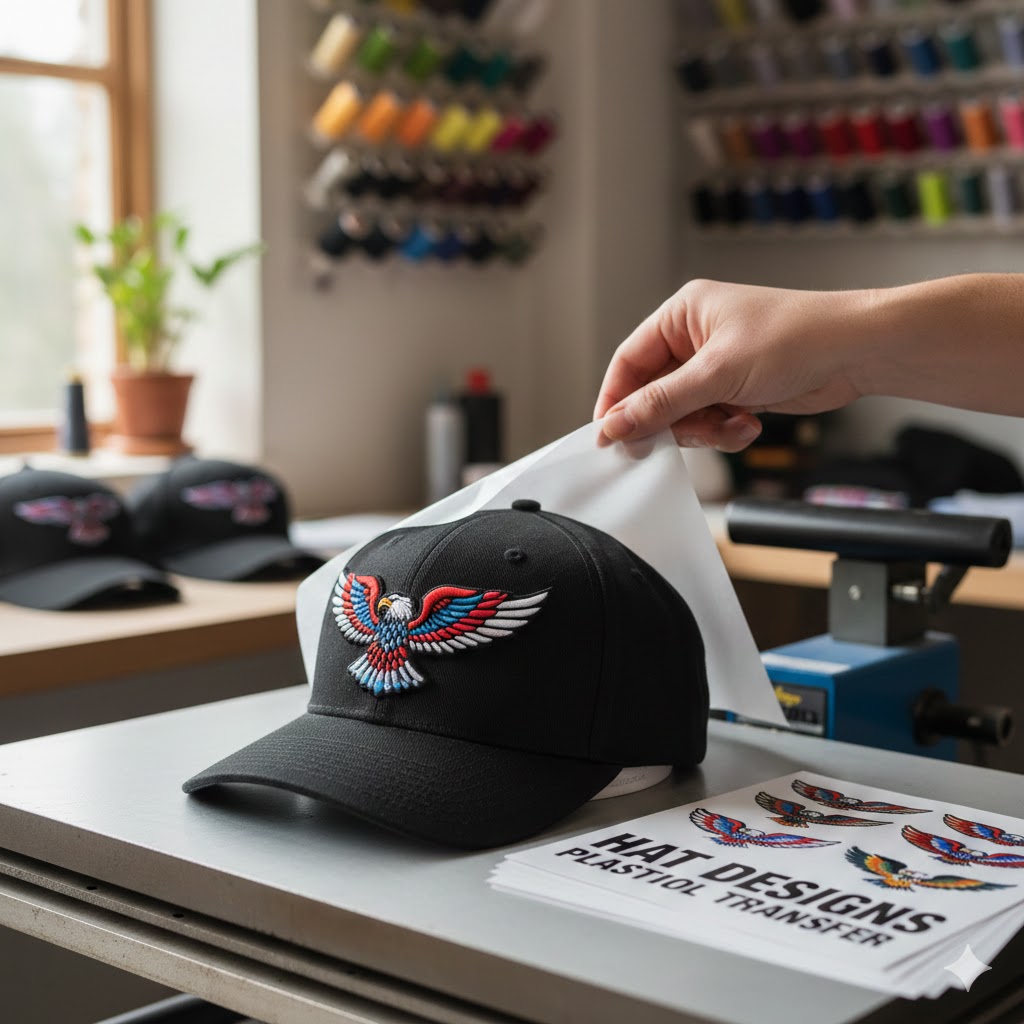
6. Plastisol Transfer Printing
A hybrid method that mimics screen printed quality while allowing storage of ready-to-press transfers.
Pros
- Durable, soft-touch prints
- Allows live printing or on-site customization for t-shirt design.
- Excellent for niche applications (e.g. fleece, sportswear)
Cons
- Extra setup steps
- Slightly higher material cost
- Best for medium volumes
Quick Comparison: Which Printing Method Is Best?
| Printing Method | Best For | Fabric | Design Complexity | Volume of custom apparel can significantly impact production efficiency. |
|---|---|---|---|---|
| Screen Printing | Bulk orders, branding | Cotton, blends | Simple to moderate | High (50+ shirts) |
| DTG Printing | Photographic detail, small runs | Cotton only | High | Low to medium |
| DTF Printing | Versatile apparel lines | Most fabrics | Medium to high | Medium |
| Sublimation Printing | Seamless designs on polyester | Polyester | High | Low to medium |
| Vinyl Printing | Names/numbers, logos | Most fabrics | Low to medium | Low |
| Plastisol Transfer Printing | Event-based or specialty items | Cotton, fleece | Medium | Medium |
Why Screen Printing Machines Still Dominate
For businesses looking to print shirts at scale with reliable ROI, screen printing remains the gold standard. It offers:
- High throughput with automated printing machines
- Long-term print durability for retail and industrial laundry cycles
- Low cost per unit at scale
- Compatibility with various ink systems including water-based and plastisol
At Cnding, our screen printing machines are engineered for industrial performance—offering precision, repeatability, and uptime your printing business can rely on.
Planning to Start or Upgrade Your T-Shirt Printing Business
Whether you’re starting a custom t-shirt business, scaling production, or integrating new printing options into your workflow, Cnding Group offers both consultation and state-of-the-art printing machines to match your goals.
Ready to print your t-shirts better, faster, and smarter with innovative t-shirt printing options?
Explore our industrial screen printing equipment
Final Thoughts
The best t-shirt printing method depends on your specific business needs. Evaluate each printing technique based on scalability, print quality, and material compatibility. And remember—investing in high-performance screen printing equipment can be the difference between surviving and thriving in the competitive t-shirt printing industry.
For B2B enterprises looking for a dependable and scalable printing solution, screen printing offers unbeatable value. And at Cnding Group, we’re here to help you every step of the way.
- 1. Screen Printing
- 2. DTG Printing (Direct-to-Garment Printing)
- 3. DTF Printing (Direct-to-Film)
- 4. Sublimation Printing (All-Over Print)
- 5. Vinyl Printing (Heat Transfer Vinyl Printing)
- 6. Plastisol Transfer Printing
- Quick Comparison: Which Printing Method Is Best?
- Why Screen Printing Machines Still Dominate
- Planning to Start or Upgrade Your T-Shirt Printing Business
- Final Thoughts