


What Equipment Is Needed for Screen Printing
For businesses aiming to set up or expand a screen printing operation, having the right equipment is the key to producing high-quality prints efficiently and reliably. At Cnding, we offer a complete range of screen printing machinery and systems built for performance, scalability, and professional results.
Whether you’re just getting started or upgrading an existing setup, this guide covers all the essential and advanced equipment your business needs to succeed.
1. Screen Printing Presses
Manual Presses
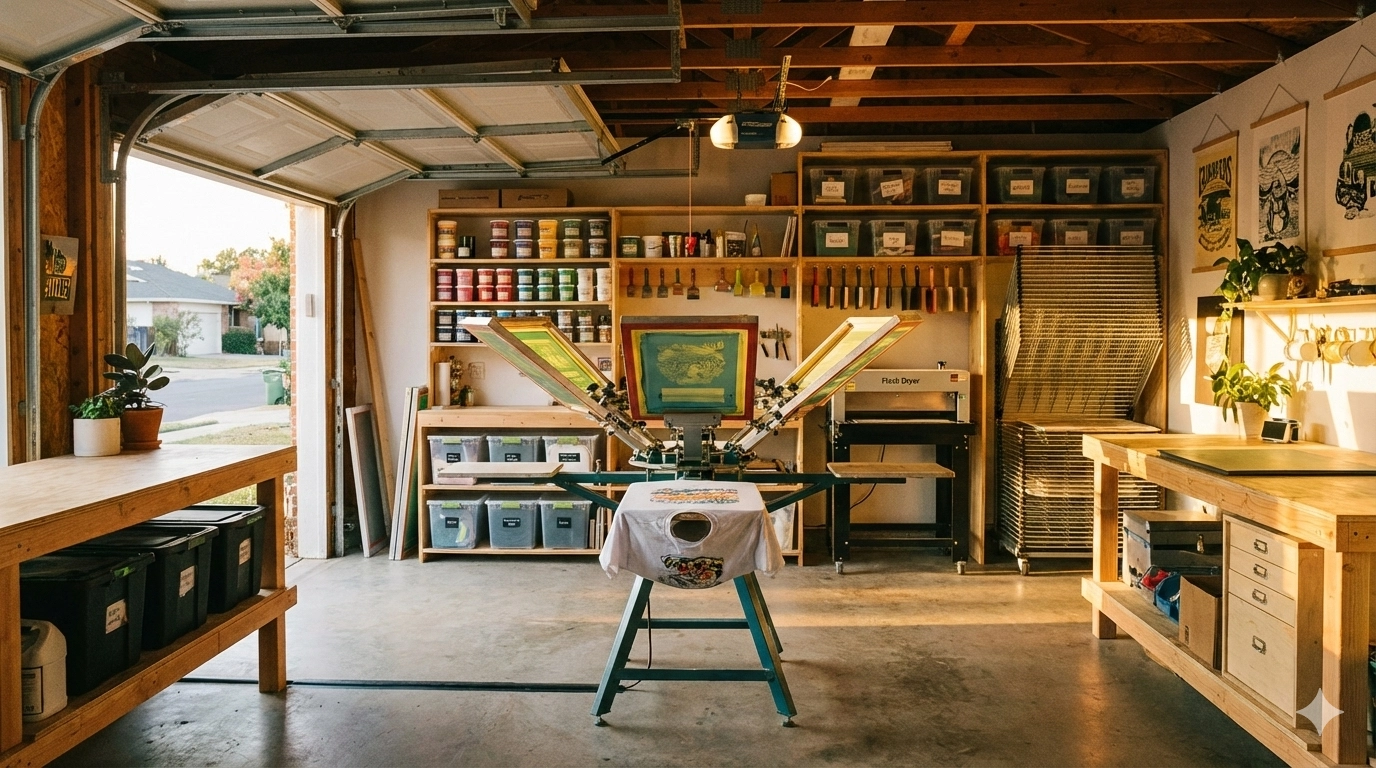
These are a great entry point for small businesses or custom operations. They offer control over each print and come in multiple configurations to support one or more colors.
Oval and Automatic Presses
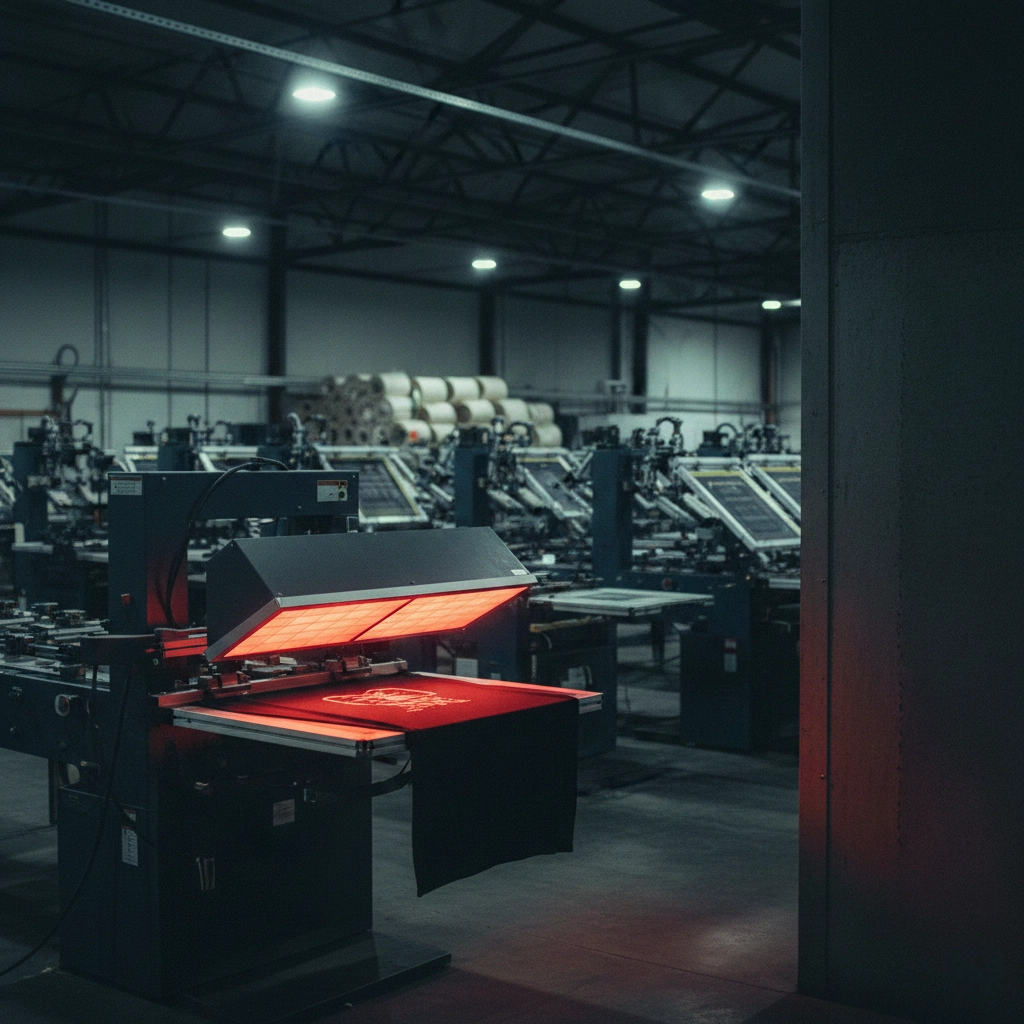
For higher production volumes, oval or automatic screen printing presses are indispensable. Oval presses are modular, space-efficient, and ideal for complex, multi-color designs—offering scalability for growing operations.
2. Screen Frames and Mesh
A frame holds the mesh through which ink is pressed. The mesh count determines how much detail can be captured:
| Mesh Count | Recommended Use |
|---|---|
| 110 | Bold text, white ink, large areas |
| 156 | General-purpose printing |
| 230–305 | Fine lines, halftones, CMYK |
Aluminum frames are preferred for their strength and durability, especially in high-volume setups.
3. Stretching Machines
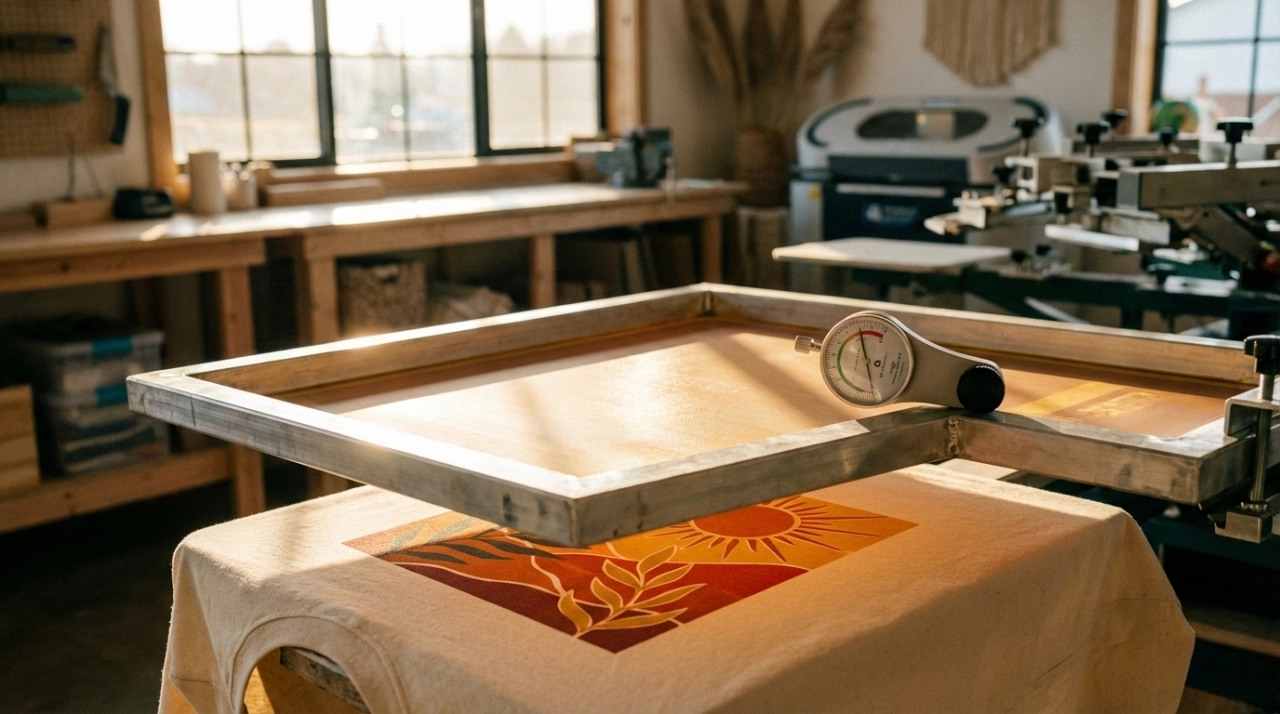
To maintain consistency and avoid misregistration, use a mesh stretching machine. This ensures uniform tension across screens and increases stencil accuracy for better print results.
4. Exposure Units
Exposure units are used to harden the emulsion on screens, creating the stencil for printing. LED-based units are now industry standard due to their:
- Faster exposure times
- Sharp image quality
- Long operational life
- Low power consumption
These units help achieve high-resolution stencils, essential for fine-detail printing.
5. Drying and Curing Equipment
Proper curing ensures ink durability and a professional finish.
Flash Dryers
Used to quickly gel ink between layers in multi-color jobs.
Conveyor Dryers
Essential for curing garments at scale. Look for adjustable belt speeds and temperature control to handle different ink types and materials.
Drying Cabinets
For drying screens after coating with emulsion—helpful in maintaining a dust-free, controlled environment.
6. Artwork Output and Software
For screen preparation, artwork must be printed onto transparent film or transferred digitally:
- Use graphic design software to create or separate color layers.
- Film output printers are used to print stencils.
- For more advanced setups, computer-to-screen (CTS) or direct-to-mesh (D2M) systems streamline the process by eliminating the need for films altogether.
7. Washout Booths and Cleaning Systems
After exposure, screens must be washed to reveal the stencil. A dedicated washout booth with proper drainage and pressure washing capability is essential.
For eco-conscious businesses, integrated filtration systems and biodegradable chemicals help reduce environmental impact while ensuring clean and reusable screens.
8. Inks
There are two primary types of screen printing inks:
- Plastisol: Durable, easy to cure, and beginner-friendly.
- Water-based: Softer feel, environmentally friendly, but more curing-sensitive.
Ink selection should align with your press capabilities, substrate types, and production scale.
9. Emulsion and Coating Tools
Choose between:
- Presensitized emulsions for faster exposure and fine details.
- Dual-cure emulsions for longer exposure times but greater tolerance for light conditions.
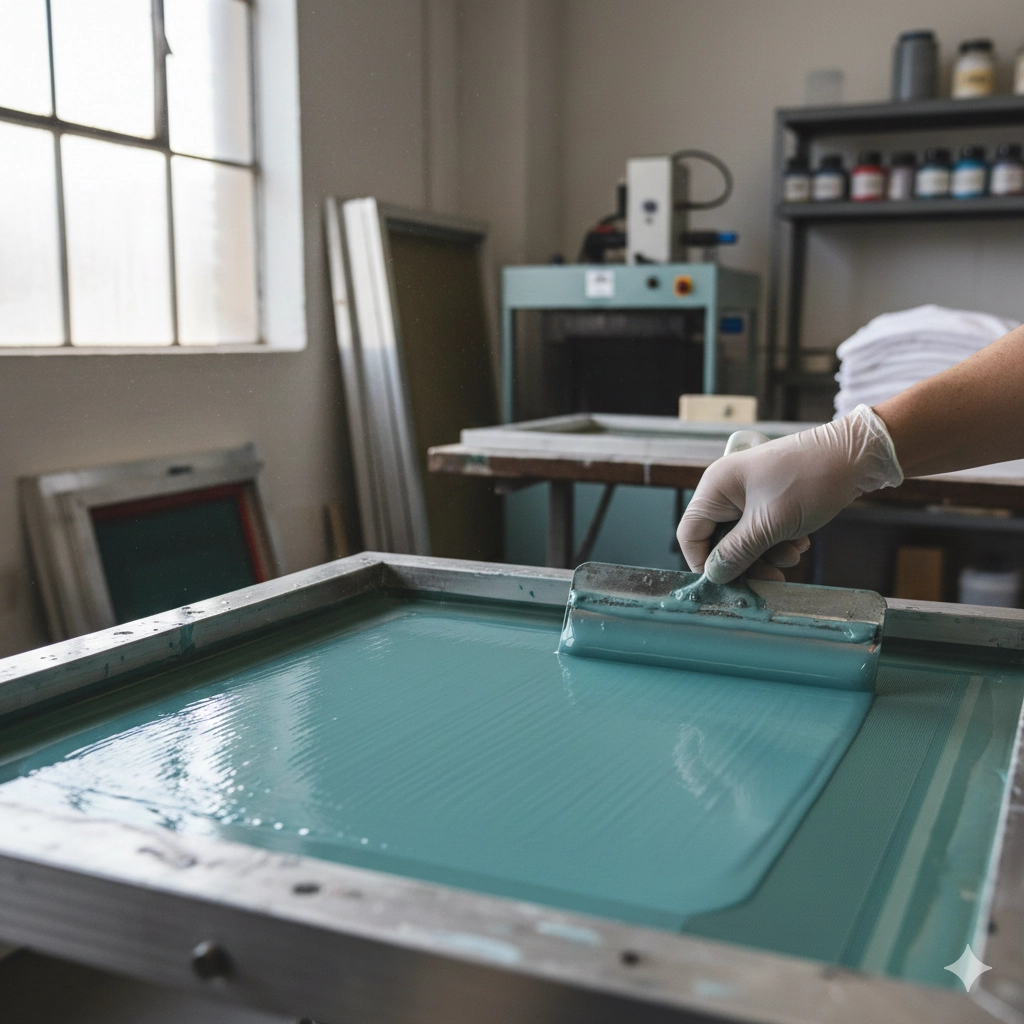
Use a scoop coater to apply a smooth, even layer of emulsion to your screens before exposure.
10. Supporting Tools and Accessories
To run a professional screen printing shop, you’ll also need:
- Squeegees in various sizes and hardness levels
- Spatulas, scoop tools, and containers for ink handling
- Platen adhesives or spray glue to secure garments during printing
- Screen and platen tapes to prevent ink bleed
- Non-contact thermometers to ensure correct curing temperatures
- Drying racks and screen storage systems
11. Advanced Systems for Scaling Up
For businesses looking to improve output and efficiency, consider:
Computer-to-Screen (CTS) Systems
Digitally expose artwork directly onto emulsified screens, removing the need for film and speeding up prep time.
Direct-to-Mesh (D2M) Printing
Digitally apply the stencil onto the screen, enhancing accuracy and reducing consumable waste.
Automatic Cleaning and Reclaiming Systems
Save time and reduce manual labor by automating screen cleaning, ink removal, and emulsion stripping.
Specialty Attachments
Sleeve platens, cap platens, and jumbo pallets expand your offerings to more apparel types and custom jobs.
Partner with Cnding for Scalable Solutions
At Cnding, we provide high-performance screen printing solutions for businesses of all sizes, including:
- Manual and oval screen printing machines
- Digital hybrid printing systems
- Exposure units, stretching systems, and drying cabinets
- Custom-built automation tools
Whether you’re launching a new shop or upgrading a large-scale facility, our machines are built to deliver reliability, precision, and scalable growth.
Explore more at www.cndinggroup.com or contact us to discuss how we can support your screen printing success.
- 1. Screen Printing Presses
- 2. Screen Frames and Mesh
- 3. Stretching Machines
- 4. Exposure Units
- 5. Drying and Curing Equipment
- 6. Artwork Output and Software
- 7. Washout Booths and Cleaning Systems
- 8. Inks
- 9. Emulsion and Coating Tools
- 10. Supporting Tools and Accessories
- 11. Advanced Systems for Scaling Up
- Partner with Cnding for Scalable Solutions