


Stop Wasting Money: 5 Tips to Reduce Screen Printing Costs
Margins in the screen printing business are thinner than most people think. Between blank garment costs, ink waste, screen prep, labor, and equipment downtime, profits can vanish quickly—even when orders keep coming in.
Most shop owners assume they need more clients to fix this. In reality, the biggest gains often come from cutting hidden inefficiencies already built into the workflow. Every dollar you don’t waste is a dollar added straight back into your profit margin.
Here’s a structured approach to reducing costs without sacrificing the quality your clients expect.
1. Control Color Complexity at the Source
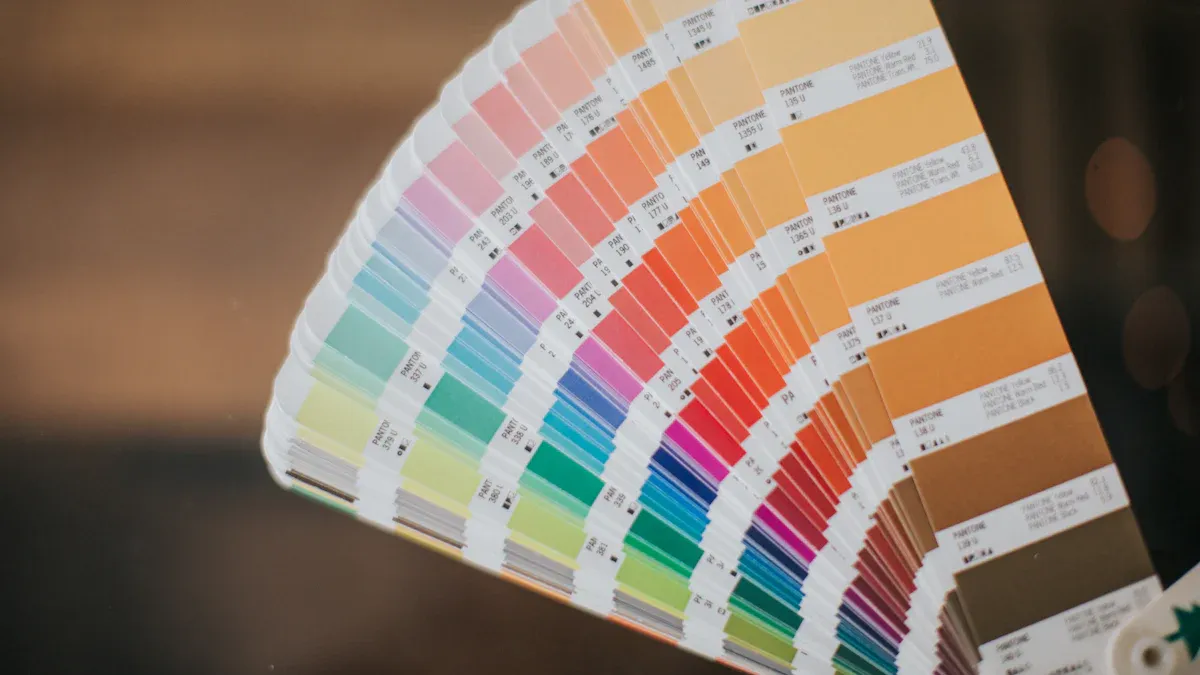
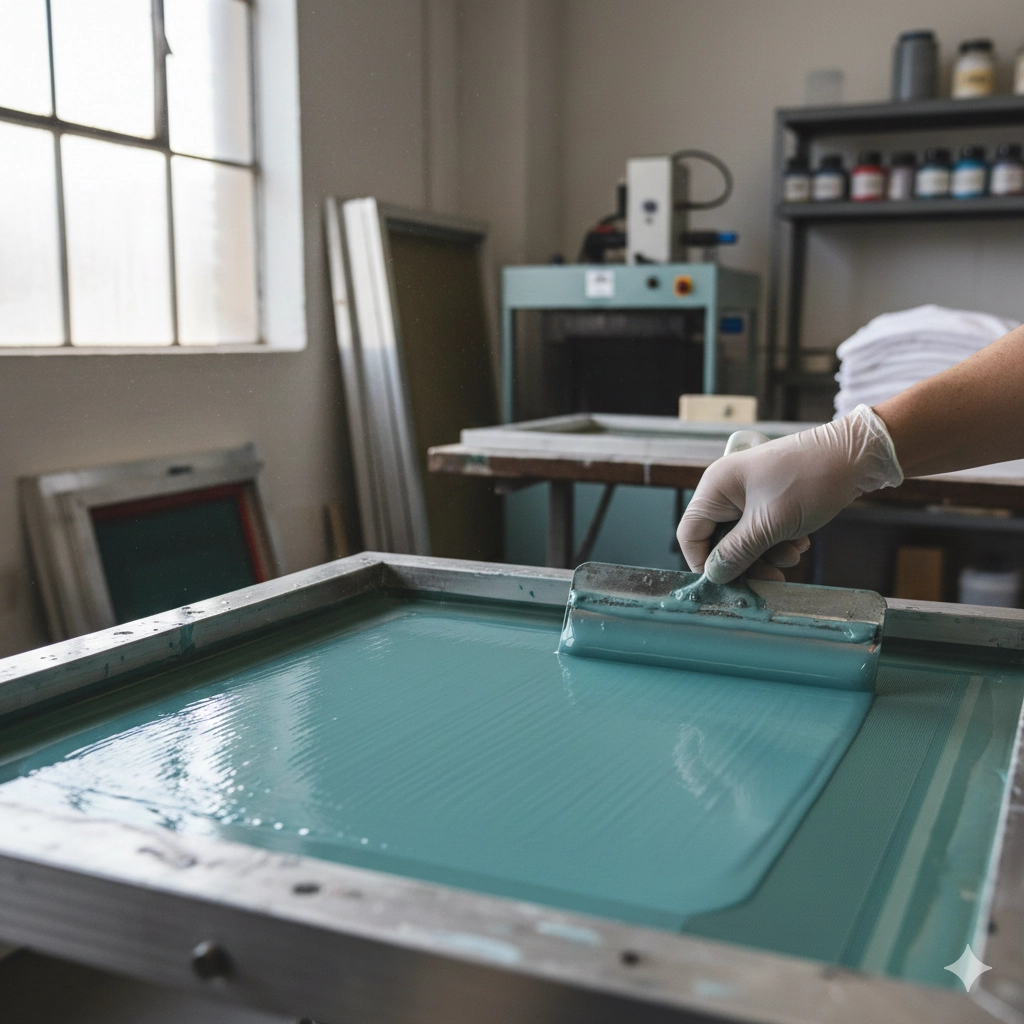
Each additional ink color isn’t just another shade—it’s another screen, another setup, another cleanup. Industry averages suggest that each extra color can add $20–$40 in setup costs per job, not to mention extra ink and press time.
The smart move is to set client expectations early. Show them how halftones or creative two-color designs can achieve the same visual punch as six-color prints.
One Midwestern shop reported saving 12 staff hours per week simply by guiding customers toward simplified designs—equivalent to nearly $700 in monthly labor savings.
2. Streamline Garment Procurement
Garments often make up 40–50% of total job cost. Yet many shops leave money on the table by ordering ad hoc from the same distributor every time.
- Negotiate volume discounts: Locking in contracts with two or three suppliers can save 5–10% on blanks.
- Standardize house garments: Fewer SKUs mean better bulk pricing and fewer stocking headaches.
- Favor lighter blanks: Printing on white instead of black can reduce ink usage by up to 20% per order, since no underbase is required.
Across 1,000 shirts, even a $0.50 saving per blank adds up to $500 straight to the bottom line.
3. Drive Efficiency Through Scale
Screen printing is front-loaded with costs. The first shirt requires full setup; the hundredth costs pennies. That’s why small-batch printing often kills profit margins.
Align scheduling to minimize downtime:
- Batch jobs by ink color or garment type to reduce changeovers.
- Incentivize larger orders with tiered pricing.
- Automate scheduling so presses run as close to capacity as possible.
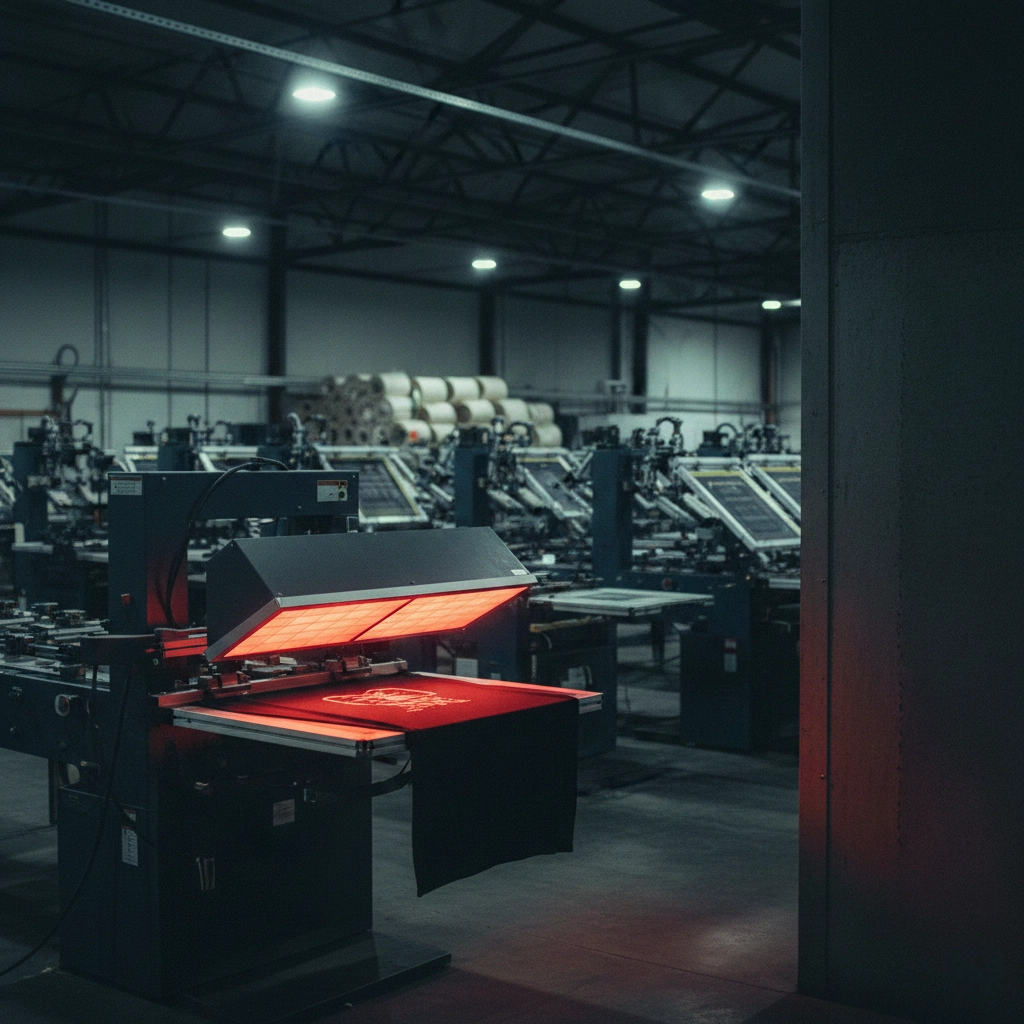
Think of your press as an airplane: takeoffs (setup) are expensive; cruising (production) is where you profit. One East Coast shop cut setup time by 30% by batching jobs smarter—equivalent to an extra 40 shirts per shift without adding labor.
4. Price Print Locations Strategically
A sleeve print might look small, but it’s not “just a little extra ink.” Each location means another screen, another alignment, another setup fee.
If you don’t price correctly, you’re effectively giving away production time.
The solution:
- Publish clear add-on pricing for extra placements.
- Encourage clients to consolidate into one bold print.
- Track margins by location—many shops find multi-location jobs are their lowest-profit work.
Protecting even 10 minutes of press time per job can save dozens of labor hours monthly.
5. Standardize Artwork Preparation
Poor-quality files are silent profit killers. Rebuilding a low-resolution JPEG into a vector-ready design can take 1–2 hours of an artist’s time—time that should be billed but often isn’t.
Establish a non-negotiable artwork policy:
- Accept only vector formats (.AI, .EPS, .SVG).
- Charge a flat $30–$60 fee for cleanup.
- Train repeat clients to deliver proper files (saving both sides time).
A shop processing 20 jobs per week can easily reclaim $1,000+ per month just by enforcing this policy.
The Bottom Line
Cutting costs in screen printing doesn’t mean cutting corners—it means cutting waste.
By controlling design complexity, tightening procurement, scaling production efficiently, pricing locations transparently, and standardizing artwork requirements, you create a shop that runs leaner, faster, and more profitably.
The difference between a struggling shop and a thriving one isn’t who prints the most shirts—it’s who manages every detail of their operation with precision.