


How to Effectively Wash and Dry Screen Printed T-Shirts
You can effectively wash your screen printed t-shirts by using cold water, a gentle detergent, and always turning your shirts inside out before cleaning. Experts recommend cool water and mild detergent to prevent ink damage, while air drying helps avoid shrinkage and keeps the print vibrant. These steps protect both the fabric and the design, ensuring your shirts last longer. With cnding’s advanced screen printing technology and industry expertise, you can trust these care methods to preserve quality and style in every wear.
Why Care Matters
Preserve Print Quality
You want your screen printed t-shirts to look sharp and vibrant every time you wear them. Proper care plays a crucial role in maintaining the integrity of the print. When you turn your T-shirts inside out before washing, you shield the design from friction and abrasion. This simple step helps prevent fading and cracking, keeping your graphics bold and fresh.
Textile research shows that regular washing and drying can cause prints to fade or crack if you do not follow the right steps. Washing your shirts inside out and using a gentle cycle with mild detergent helps preserve the brightness of the print. Air drying is the best choice, as high heat from dryers can damage the ink and age the design quickly. By following these practices, you ensure your shirts remain eye-catching and stylish.
Tip: Always check the care label on your t-shirt. It provides specific instructions that help you effectively wash and protect your screen printed designs.
Extend Shirt Life
Caring for your screen printed t-shirts does more than keep the print looking good. It also extends the life of the fabric. When you use cold water and gentle detergent, you reduce stress on both the material and the ink. Air drying prevents shrinkage and avoids heat damage, which can weaken fibers over time.
The most common causes of print deterioration include heat damage, harsh detergents, friction, sun exposure, and poor quality prints. You can see how each factor affects your shirts in the table below:
| Cause | Description |
|---|---|
| Heat Damage | High temperatures break down chemical bonds in dyes and inks, leading to rapid deterioration. |
| Harsh Detergents | Chemicals in conventional detergents strip color from prints and fabric. |
| Friction and Abrasion | Rubbing against other clothes wears away the printed surface. |
| Sun Exposure | UV rays break down dyes and inks, causing fading when exposed to sunlight. |
| Poor Quality Prints | Low-quality prints may fade regardless of care due to cheap inks or improper curing. |
By choosing the right washing and drying methods, you effectively wash your t-shirts and protect both the print and the fabric. Cnding’s expertise in screen printing technology ensures that your shirts start with durable prints, but your care keeps them looking new for years.
How to Effectively Wash Screen Printed T-Shirts
Machine Wash Steps
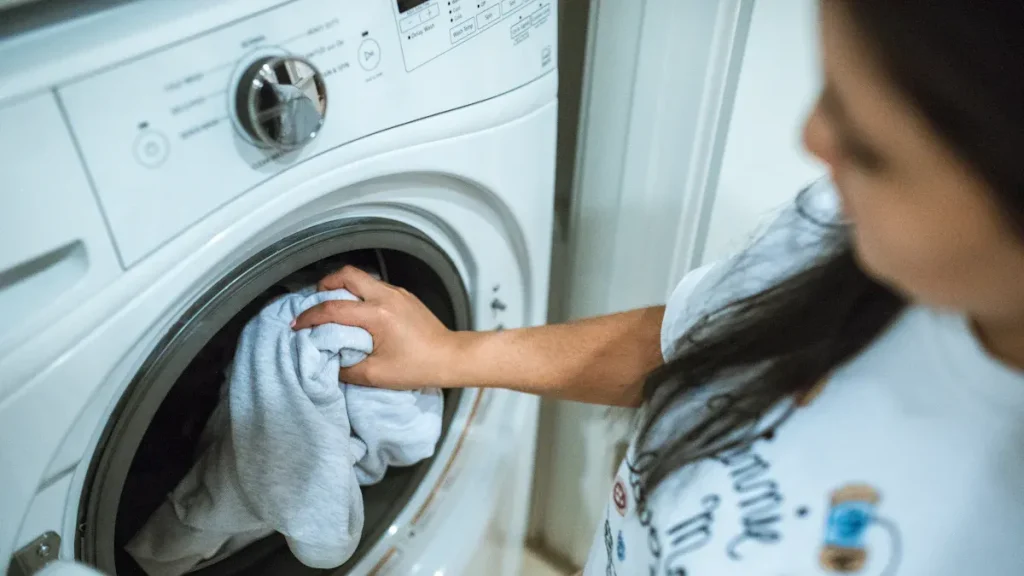
You can effectively wash your screen printed t-shirts in a washing machine by following a precise routine. Begin by gathering your supplies: a gentle detergent, a mesh laundry bag, and access to cold water. Place your t-shirt inside out to shield the print from direct abrasion. This step helps reduce fading and cracking, keeping your design vibrant.
Set your washing machine to a gentle or delicate cycle. Use cold water to prevent ink damage and minimize shrinkage. Add your mild detergent, avoiding any harsh chemicals or additives. Do not overload the washer. Give each shirt enough space to move freely, which reduces friction and wear on the print.
Tip: Turning your t-shirt inside out before washing helps to protect the print from direct abrasion, reducing fading and cracking.
After the cycle finishes, remove your t-shirt promptly. Air drying is the best option to maintain print quality. If you must use a dryer, select the lowest heat setting and check the shirt frequently.
Hand Wash Tips
Hand washing allows you to effectively wash screen printed t-shirts with maximum care. This method is ideal for delicate or vintage prints. Follow these steps for the best results:
- Fill a basin, tub, or sink with cool water to protect the fabric and print.
- Soak the shirts for about 10 minutes to loosen dirt and stains.
- Gently agitate the shirts in the water without scrubbing the print.
- Rinse with clean, cold water until the water runs clear.
- Gently squeeze out excess water without wringing or twisting.
- Air dry the shirts in a shaded area to avoid fading and shrinking.
You should avoid using brushes or rough sponges on the printed area. Gentle handling preserves the ink and fabric, ensuring your shirt stays in top condition.
Choosing Detergent
Selecting the right detergent is essential when you want to effectively wash screen printed t-shirts. Use mild detergents to preserve print quality. Avoid fabric softeners, as they can dull designs. Wash in cold or lukewarm water to prevent shrinkage and fading. Skip regular bleach, as it can damage prints.
Specialized sports detergents or gentle formulations designed for delicate fabrics are non-negotiable. Standard laundry detergents contain enzymes, surfactants, and additives specifically designed to remove stubborn dirt—characteristics making them effective for casual wear but damaging for performance fabrics.
Detergent damage mechanisms: harsh surfactants strip protective moisture-wicking coatings; enzymes designed for protein/starch removal also degrade fabric finish treatments; additives including optical brighteners, dyes, and UV agents accumulate on synthetic fibers creating residue layers blocking capillary moisture transport.
Jaco Clothing emphasizes fabric softener represents single most common performance apparel damage cause—far exceeding high heat or harsh detergents in damage magnitude.
When you choose a gentle detergent, you help maintain the integrity of both the print and the fabric. This step is especially important for shirts produced with advanced screen printing technology.
Cnding’s innovation in screen printing equipment and inks ensures your shirts start with superior durability. For example, silicone-based inks like SilTex HD offer high solid content, superior opacity, and exceptional wash resistance compared to traditional inks. These features help your shirts maintain vibrancy and stretchability, even after repeated washes.
| Feature | SilTex HD Ink | Traditional Inks |
|---|---|---|
| Type | Silicone-based | Plastisol |
| Solid Content | High | Lower |
| Ink Usage | 30-50% less ink for similar opacity | More ink required |
| Opacity | Superior | Standard |
| Wash Resistance | Maintains vibrancy, does not fade | Prone to fading |
| Stretchability | 500X compared to conventional inks | Standard |
| Safety | Free from PVC, phthalates, heavy metals | May contain harmful substances |
Cnding’s advanced machinery and ink formulations deliver prints that withstand frequent washing. When you effectively wash your screen printed t-shirts using these recommended steps, you maximize the lifespan and appearance of your favorite designs.
Drying and Ironing Tips

Image Source: pexels
Air Drying Benefits
You protect your screen printed t-shirts best when you choose air drying. This method keeps the print vibrant and prevents fading that can occur from UV exposure. Air drying also preserves the fabric’s original texture and form, helping your shirts last longer. When you avoid the dryer, you prevent heat damage that often leads to cracking or fading of the print.
- Air drying maintains the vibrancy of your design.
- It preserves the shirt’s shape and texture.
- You avoid heat damage that can deteriorate the print.
Tip: Hang your t-shirts in a shaded, well-ventilated area. Avoid direct sunlight to prevent color fading.
Safe Dryer Use
Sometimes you need to use a dryer. You can minimize risks by following textile care guidelines. Always tumble dry on low heat to protect both the print and the fabric. Ideally, hang your t-shirt to dry whenever possible. If you use a dryer, check the shirt frequently and remove it promptly to avoid prolonged heat exposure.
- Tumble dry on low heat.
- Hang to dry when possible.
- Remove shirts promptly to prevent overheating.
Note: High heat can cause prints to crack or fade. Low heat settings help maintain print quality.
Ironing and Storage
Ironing requires careful attention. Direct heat from an iron can burn or damage screen printed designs. You should always iron shirts inside out or use a steam setting to avoid direct contact with the print. This approach prevents deterioration and keeps your graphics looking sharp.
Proper storage also plays a key role in maintaining your t-shirts. Use the following steps for the best results:
- Lay the t-shirt face down and fold the sleeves inward.
- Fold in half lengthwise, then horizontally once or twice.
- Store print-side in to prevent rubbing.
- Keep shirts in a cool, dry, dark place with good air circulation.
- Avoid damp basements, attics, or areas with temperature extremes.
For long-term storage, ensure garments are clean and dry. Use acid-free tissue paper between layers for extra protection. Store shirts in breathable cotton bags and inspect monthly for moisture or mildew. Rolling or storing t-shirts flat helps avoid creases.
| Storage Method | Benefit |
|---|---|
| Proper folding | Prevents print cracking and fading |
| Cool, dry location | Reduces risk of mildew and sun damage |
| Acid-free tissue | Adds extra protection |
| Breathable bags | Maintains air circulation |
Tip: Regularly check stored shirts for signs of moisture or mildew to keep them in top condition.
Common Mistakes & Quick Checklist
Mistakes to Avoid
You want your screen printed t-shirts to last, but common washing and drying errors can shorten their lifespan. Avoid these frequent mistakes to keep your prints looking sharp:
- Using hot water for washing
- Cleaning with bleach or harsh chemicals
- Scrubbing the print directly
- Drying with high heat
- Ironing directly on the design
- Leaving clothing soaked for long periods
The products you use matter. The table below shows how bleach and fabric softener can harm your prints:
| Product | Impact on Prints |
|---|---|
| Fabric Softener | Leaves residue that can dull prints and reduce absorbency |
| Chlorine Bleach | Even small amounts can discolor prints and fabric. |
Note: Fabric softeners may also interfere with ink adhesion, making the print less durable over time.
Care Checklist
Follow this checklist to maintain the quality of your screen printed t-shirts:
Before Washing:
- Turn shirts inside out
- Check for stains and pre-treat if needed
- Sort by color and fabric weight
- Close zippers and buttons on other items
During Washing:
- Use cold water (30°C or below)
- Select a gentle or delicate cycle
- Use mild, color-safe detergent
- Use less detergent than recommended
- Do not overload the machine
After Washing:
- Remove shirts promptly from the washer
- Reshape while damp
- Air dry flat or on a rack
- Keep away from direct sunlight
- If using a dryer, choose the lowest heat and remove while damp
Storage:
- Fold rather than hang
- Store in a cool, dark, dry place
- Keep away from sunlight
- Avoid overcrowding storage space
Tip: Cnding provides comprehensive after-sales support and technical training. You can rely on cnding’s expertise to help you maintain both your screen printed garments and your printing equipment for the best results.
To effectively wash and dry your screen printed t-shirts, follow these expert steps:
- Turn shirts inside out before washing.
- Pre-treat stains with a safe remover.
- Gently buff stains, avoiding rough materials.
- Separate similar colors and textures.
- Use mild detergent with cold water on a gentle cycle.
- Hang shirts to air dry or use low heat if needed.
Proper care keeps your prints vibrant and your shirts lasting longer. Many customers have improved efficiency and quality with cnding’s screen printing solutions, making it a trusted choice for garment care.
FAQs
How often should you wash screen printed t-shirts?
You should wash your screen printed t-shirts after every wear, especially if they become sweaty or dirty. Regular washing keeps the fabric fresh and prevents stains from setting. Always follow the recommended care steps to protect the print.
Can you use stain removers on screen printed designs?
You can use mild, color-safe stain removers on screen printed t-shirts. Apply the remover to the stained area only. Avoid scrubbing the print directly. Test on a small area first to ensure the remover does not affect the design.
Is it safe to dry clean screen printed t-shirts?
Most screen printed t-shirts do not require dry cleaning. The chemicals and heat used in dry cleaning may damage the print. You should follow the washing and air drying methods described above for best results.
What should you do if the print starts to crack or fade?
If you notice cracking or fading, review your washing and drying routine. Switch to cold water, gentle detergent, and air drying. Consistent care helps slow further damage. Cnding’s after-sales support can provide additional garment care guidance.
Can you wash multiple screen printed shirts together?
You can wash multiple screen printed shirts together if you sort them by color and fabric type. Turn each shirt inside out and avoid overloading the machine. This reduces friction and helps preserve the quality of every print.