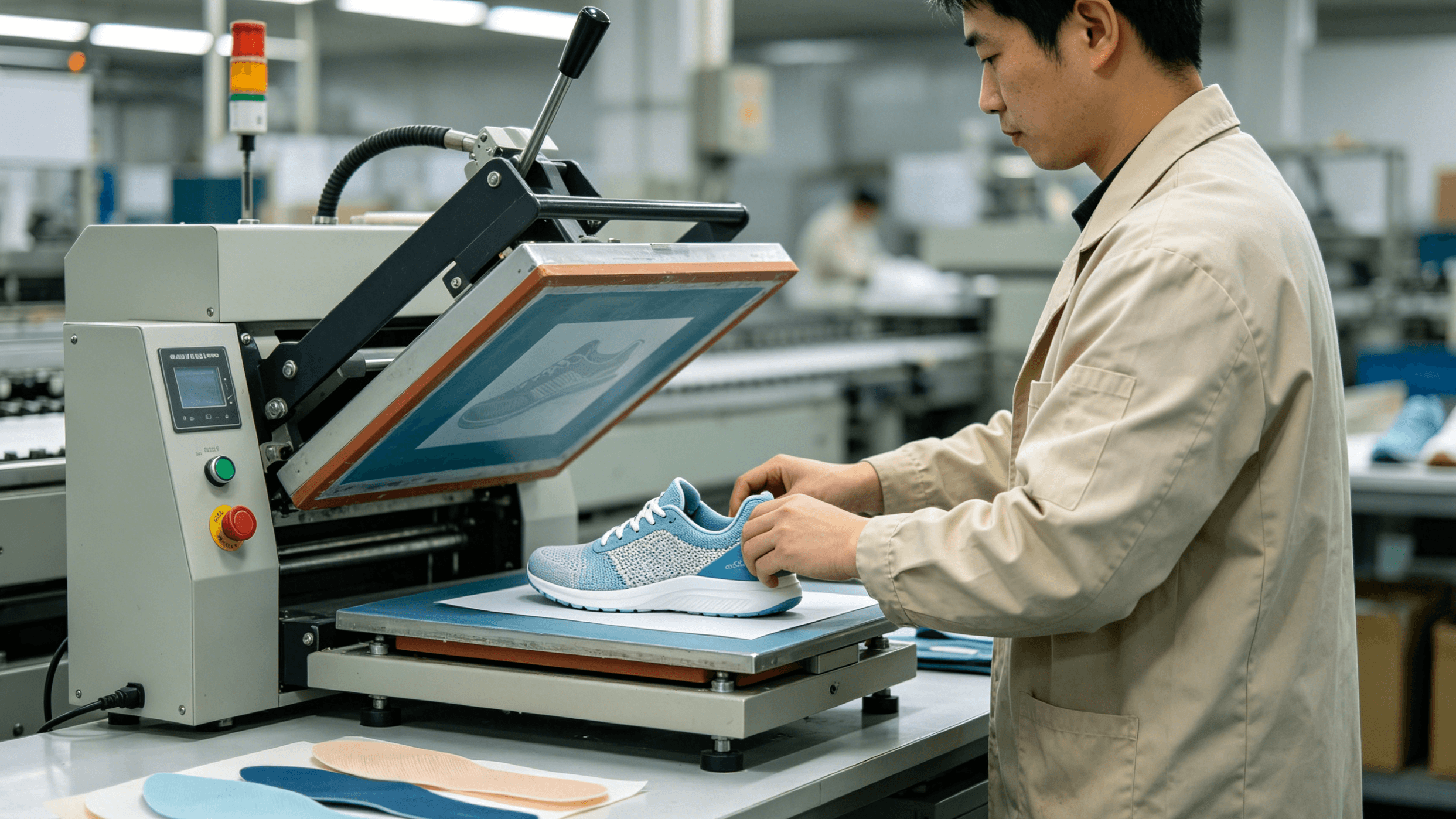


हीट प्रेस विनाइल के साथ कस्टम टी-शर्ट व्यवसाय शुरू करने के लिए 2026 की गाइड
परिचय
Custom apparel is hitting massive numbers, with the market expected to pass $45 billion by 2030. If you’re looking at the scene in 2026, Heat Press Vinyl (HTV) is the clear winner for small-batch runs. It’s durable, feels great to the touch, and works for everything from reflective safety gear to high-end fashion. But here’s the thing: if you want to actually make money and not just a mess in your garage, you have to move past the hobbyist gear and look at industrial-grade technology. I’ve seen plenty of people start with a creative spark and a cheap press, only to realize that scaling a brand is more about math and physics than art. You need precision. Cnding Group has been in this game for 20 years, operating in over 40 countries. Their tech isn’t just about “getting it hot”—it’s about ±0.01mm precision and heat that stays uniform across the whole plate. That’s the difference between a shirt that looks professional and one that peels after two washes.
Essential Equipment Checklist: From Beginner to Pro
To build a sustainable T-shirt business, your hardware must match your production volume. In the HTV (Heat Press Vinyl) world, the transition from a hobbyist to a professional hinges on the precision of your “cut” and the stability of your “press.”
The Startup Phase: Foundation & Precision
For those just entering the market, focus on the tools that define your design quality:
- Vinyl Cutter (Plotter): This is your primary production engine. It interprets vector files to cut intricate designs into the vinyl layer while leaving the carrier sheet intact.
Pro Tip: Always enable the “Mirror” or “Flip Horizontal” setting in your software. Since HTV is cut from the back (adhesive side), failing to mirror results in reversed text on the final garment.
- निराई उपकरण: Precision tweezers and weeding hooks are non-negotiable. “Weeding” is the manual process of removing excess vinyl from your design. High-quality tools prevent accidental tearing of fine lines.
The Scaling Phase: Industrial Automation with Cnding
As your order volume grows, DIY equipment often leads to high failure rates due to uneven heat distribution. Transitioning to industrial-grade machinery is the only way to ensure long-term ROI.
- Core Recommendation: Cnding Industrial Pressing MachineFor a “grounded” business strategy, you need equipment that eliminates variables. Cnding Group specializes in heavy-duty heat press solutions designed for continuous 24/7 operation.
- बेजोड़ परिशुद्धता: Cnding’s machinery features advanced temperature and pressure sensors that maintain a ±0.01 mm precision control. This level of accuracy is critical for large-format HTV transfers where even a 1-degree fluctuation can cause the vinyl to peel after the first wash.
- तापीय एकरूपता: Unlike entry-level presses that have “cold spots,” Cnding’s heating plates utilize high-density alloy coils to ensure edge-to-edge heat consistency, vital for the durability of PU and PVC materials.
- बाजार में सिद्ध विश्वसनीयता:Choosing a partner is as important as choosing a machine. With 20 years of R&D expertise, Cnding has optimized its technology based on feedback from over 500 factories across 40+ countries.
By investing in mature, market-verified technology from the start, you reduce material waste and ensure your brand is built on a foundation of industrial-grade quality.
Step-by-Step Guide: The HTV Production Workflow
Mastering the workflow of Heat Press Vinyl (HTV) is a science of precision. To ensure your products meet professional standards and achieve high durability, follow this grounded, step-by-step technical guide.
Step 1: Design & Mirroring
Before sending your artwork to the cutter, you must Mirror (Flip Horizontal) your design. HTV consists of a clear, heat-resistant carrier sheet on the front and the vinyl/adhesive on the back. Since you are cutting from the adhesive side, failing to mirror will result in reversed text and graphics on your T-shirt.
Step 2: Precision Cutting & Force Calibration
Achieving a “kiss cut” is essential. This means the blade cuts through the vinyl layer but leaves the carrier sheet completely intact.
- Technical Adjustment: Adjust your blade depth and pressure based on material thickness. For instance, Glitter HTV is significantly thicker (approx. 300–350 microns) than standard PU vinyl (approx. 80–100 microns) and requires increased force.
Always perform a “test cut” to save on material costs and prevent “floating” production errors.
Step 3: Professional Weeding Techniques
Weeding is where your design comes to life. Use a specialized weeding hook to remove the excess negative space.
- Pro Hack: For intricate designs, slightly warming the lower platen of your Cnding Heat Press and placing the vinyl on it for a few seconds can soften the adhesive, making the weeding process smoother and faster for complex patterns.
चरण 4: ऊष्मा का प्रयोग
This is where equipment quality dictates the final product’s lifespan.
- Time & Temperature Precision: Different materials require specific thermal profiles.
- PU (Polyurethane): Typically requires 150°C (302°F) for 10–15 seconds. It is thinner and more flexible.
- पीवीसी (पॉलीविनाइल क्लोराइड): Often requires a slightly higher temperature or longer dwell time but offers a more robust feel.
- The Science of the “Peel”:
- गर्म छिलका: Removing the carrier sheet immediately while the adhesive is still molten. This is common for high-speed production.
- कोल्ड पील: Waiting until the garment is completely cool before peeling. This allows the adhesive to fully set into the fabric fibers, preventing distortion or “lifting” of the design.
By using Cnding’s industrial pressing technology, which offers consistent pressure across the entire heating plate, you eliminate the risk of uneven bonding—a common issue with manual or low-end hobbyist presses. Success in 2026 relies on this technical consistency to build brand trust and minimize customer returns.
HTV vs Other Methods
In the 2026 custom apparel market, selecting the right decoration method is a strategic decision that impacts your profit margins and brand positioning. While technology like Direct-to-Film (DTF) has surged in popularity, Heat Press Vinyl (HTV) remains the gold standard for specific high-value applications.
HTV vs. DTF: Texture vs Complexity
The primary differentiator between HTV and DTF is the tactile experience and specialty finishes.
- HTV Advantage: HTV excels in creating “sensory” branding. It offers textures that digital printing cannot replicate, such as 3D Puff, high-visibility reflective (essential for workwear), and soft-touch flock. According to industry analysis by FESPA, the demand for “special effect” garments is a key driver for premium brand loyalty.
- DTF Advantage: DTF is superior for photographic detail and unlimited color gradients. However, for minimalist logos, varsity lettering, and “premium-feel” streetwear, HTV’s solid, vibrant color blocks provide a more high-end, durable aesthetic.
HTV vs Screen Printing: Flexibility vs Volume
For startups and boutique agencies, HTV offers a level of agility that traditional Screen Printing cannot match.
- The “No Minimums” Factor: Screen printing requires significant setup time, including screen burning and ink mixing, making it unprofitable for orders under 20–50 units. HTV allows for zero-minimum (on-demand) production, which is critical for the “personalized gift” and “limited drop” business models prevalent in 2026.
- बाज़ार जाना: With HTV, you can move from design to finished garment in under 10 minutes.
Scaling Flexibility with Industrial Power
The traditional weakness of HTV was the labor-intensive nature of manual pressing. Cnding Group bridges this gap by introducing industrial automation into the HTV workflow.
- पैमाने पर दक्षता: While HTV is flexible, Cnding Industrial Pressing Machines ensure that this flexibility doesn’t sacrifice speed. Their pneumatic and hydraulic systems provide consistent, high-pressure application that reduces the “press time” per garment compared to manual hobbyist heat presses.
- स्थायित्व मानक: According to AATCC (American Association of Textile Chemists and Colorists) standards, the longevity of a heat transfer depends heavily on “Pressure Consistency.” Cnding equipment is engineered to deliver uniform pressure across the entire platen, ensuring that HTV designs survive 50+ wash cycles—matching the durability of screen printing while maintaining the flexibility of digital customization.
| Feature | Heat Press Vinyl (HTV) | डीटीएफ प्रिंटिंग | स्क्रीन प्रिंटिंग |
|---|---|---|---|
| सबसे अच्छा है | Textures & Logos | Full-Color Photos | Bulk Uniforms |
| सेटअप की लागत | बहुत कम | मध्यम | हाई |
| स्पर्शनीय अनुभूति | Premium / Varied | Thin / Smooth | Ink-heavy |
| उत्पादन की गति | Fast (Short Run) | Fast (Medium Run) | Slow Setup / Fast Run |
By utilizing Cnding’s market-verified technology, businesses can maintain the “no minimum” advantage of HTV while achieving the production efficiency and wash-fastness typically reserved for large-scale industrial screen printing operations.
Business Scaling & ROI: Transitioning to Industrial Automation
To move from a home-based setup to a profitable enterprise, you must shift your focus from “crafting” to “manufacturing.” This transition requires a cold, hard look at your Return on Investment (ROI) and the operational efficiencies provided by industrial-grade equipment.
Cost Analysis: Material, Labor, and Waste
Profitability in the T-shirt business is won or lost in the margins. A typical breakdown for a custom HTV garment includes:
- माल की लागत: High-quality PU vinyl averages $0.50 – $1.50 per design depending on size and texture.
- श्रम लागत: Manual weeding and pressing are time-intensive. In a manual setup, labor can account for nearly 40% of the total cost.
- The “Hidden” Cost (Waste): Amateur equipment often suffers from uneven heating or pressure fluctuations, leading to a 5% to 10% reject rate due to peeling or scorched fabric.
The Cnding Advantage: By integrating Cnding’s Automated Pressing Solutions, businesses can drastically reduce waste. Cnding’s precision sensors maintain thermal stability within a strict range, ensuring a 99.9% success rate. When you reduce your scrap rate from 8% to 0.1%, that savings goes directly to your bottom line, effectively paying for the machine within the first year of high-volume production.
Quality Standards: The Gateway to Global Retail
As you scale, your clients will shift from individual customers to corporate accounts and international retailers. At this level, “it looks good” is not enough—you need verifiable quality standards.
- सीई प्रमाणन: This is a mandatory requirement for products sold within the European Economic Area. It signifies that Cnding’s machinery meets high safety, health, and environmental protection requirements.
- आईएसओ 9001 प्रमाणन: This international standard for Quality Management Systems (QMS) is the ultimate trust signal for B2B partners. It proves that Cnding follows rigorous R&D and manufacturing protocols to deliver consistent equipment performance.
Scaling with Automation
Industrial automation isn’t just about speed; it’s about repeatability. Cnding’s 20 years of expertise have resulted in features like programmable presets for different fabric types. This allows low-skill operators to achieve high-skill results, reducing your dependence on specialized labor and allowing your business to scale 24/7 without a dip in quality.
| व्यापार स्तर | उपकरण के प्रकार | Typical Success Rate | बाज़ार तक पहुंच |
|---|---|---|---|
| स्टार्टअप | Manual / Hobbyist Press | 90% - 92% | Local / Etsy |
| विकास | Semi-Auto Industrial | 95% - 97% | Regional / B2B |
| उद्यम | Cnding Automated Press | 99.9% तक | Global / Mass Retail |
निष्कर्ष
In the 2026 apparel landscape, the distance between a viral design and a profitable brand is measured by production stability. While creativity gets you noticed, it is the technical precision of your heat press vinyl application that secures customer loyalty and minimizes costly returns. By choosing industrial-grade equipment over hobbyist alternatives, you transition from “making shirts” to “manufacturing quality.” The ability to deliver consistent results—where every logo stays vibrant and every edge remains sharp after dozens of washes—is what separates market leaders from the rest.
हाल के लेख
सिल्क स्क्रीन प्रिंटिंग मशीन आपके परिधान प्रिंटिंग व्यवसाय को कैसे बढ़ावा दे सकती है?
2026 में शर्ट के लिए सर्वश्रेष्ठ स्क्रीन प्रिंटर चुनने के लिए शीर्ष सुझाव
अपने डीटीएफ प्रिंटर मशीन सेटअप में महारत हासिल करें: पेशेवर परिणामों के लिए 2026 औद्योगिक गाइड