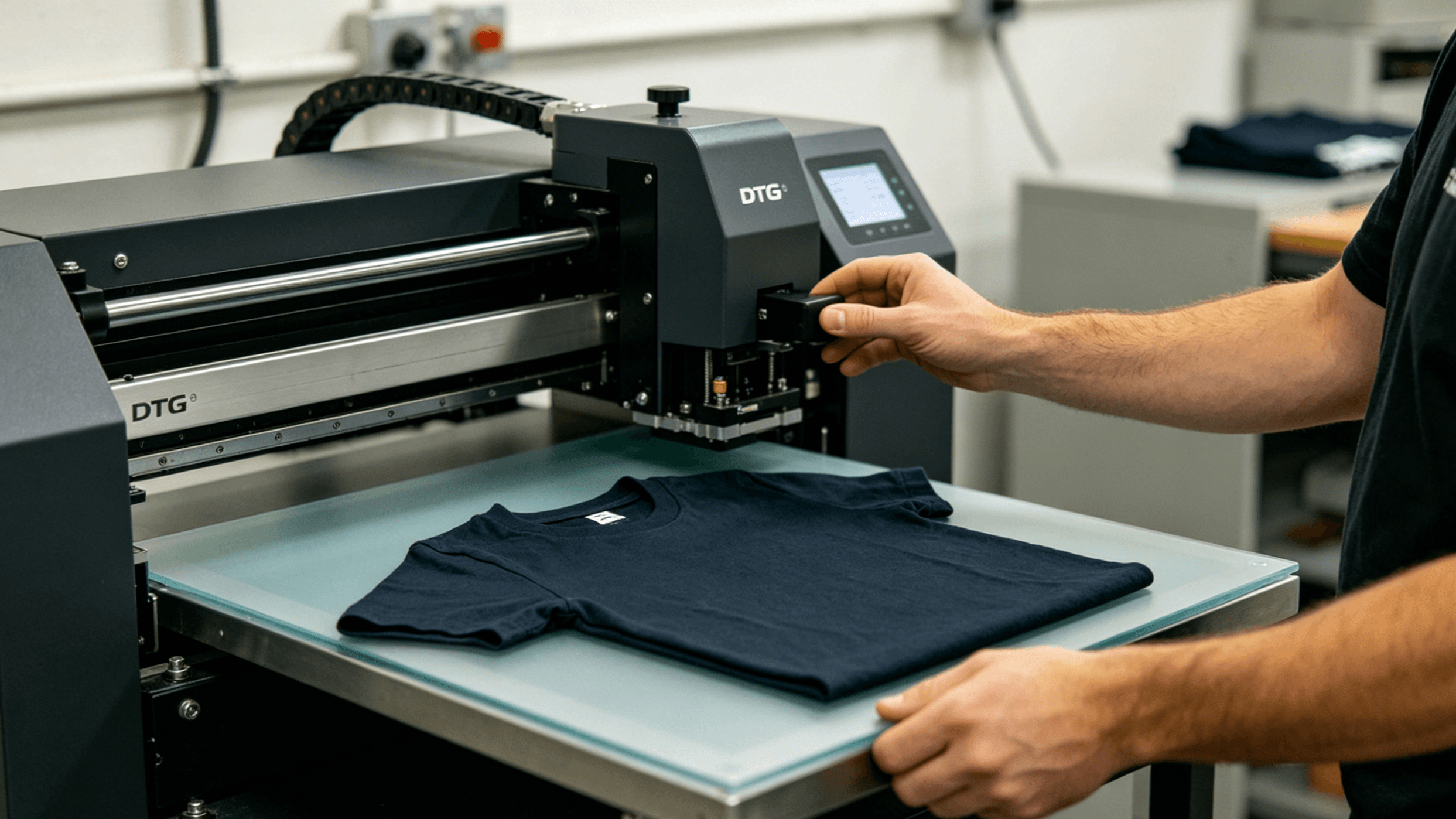


Comment choisir la meilleure encre d'image pour l'impression de vêtements et de chaussures industrielles
In the world of high-volume printing for clothes and shoes, you really can’t afford to guess with your ink. If you pick the wrong one, you end up with designs that fade after three washes or crack the first time someone stretches the fabric. Image ink—whether it’s plastisol, water-based, or UV—is built to handle the stress of industrial use while keeping graphics sharp.
What actually is image ink
Think of industrial image ink as more of a chemical coating than just a simple pigment. It’s got advanced binders that let you stack colors (especially in complex CMYK designs) without them bleeding into a blurry mess. This is vital for the stuff you see on performance activewear or the uppers of high-end sneakers.
If you’re running a massive production line, the ink you pick is going to decide how long that product stays in a customer’s closet. Good image ink does a few things well:
- It stays bright: You want the 5,000th print to look as punchy as the first.
- It’s tough: We’re talking 50+ industrial washes without the design falling apart.
- It feels right: Nobody wants a thick, rubbery patch on a lightweight shirt. Premium apparel needs that “soft-hand” feel.
- It keeps the machines moving: Plastisol ink is a favorite because it doesn’t dry in the screen. That means you don’t have to stop every twenty minutes to scrub the mesh.
The Cnding approach to high-performance image ink
Cnding doesn’t just sell ink; they look at it as part of a machine-and-chemistry combo. They’ve built a supply chain of screen printing ink specifically to work with their full-servo oval printing machines. Automation puts a lot of pressure on how ink behaves—it has to stay at the right thickness (viscosity) and cure fast so the belt can keep moving. When you match their ink with their H18 series or textile lines, you get way fewer clogs and better registration.
Common Types of Image Ink for Apparel and Footwear
Selecting the right image ink is not a one-size-fits-all process. The substrate—whether it is a 100% cotton T-shirt or a synthetic leather shoe upper—dictates the chemical requirements of the ink to ensure adhesion and longevity.
Comparison of Industrial Image Inks
| Type d'encre | Composants principaux | Substrats idéaux | Avantages clés | Inconvénients potentiels | Cnding Equipment Match |
|---|---|---|---|---|---|
| Plastisol Image Ink | PVC Resin + Plasticizer | Cotton, Blends, Synthetic Leather | Vibrant colors, high opacity, wash-fast | Heavier “hand” feel | Cnding H18 Series (Footwear-specific) |
| Water-Based Image Ink | Water + Binders + Pigments | Natural fibers, lightweight apparel | Eco-friendly, soft touch, breathable | Slower drying, lower opacity | Cnding Digital Hybrid + Dryer |
| Discharge Image Ink | Zinc Formaldehyde Sulfoxylate (ZFS) | Dark 100% Cotton | Ultra-soft, “no-feel” vintage look | Cotton only, chemical odor | Cnding Full-Servo Oval Machine |
| UV-Curable Image Ink | Photoinitiators + Monomers | Non-absorbent shoe materials | Instant curing, chemical resistant | Requires UV curing units | Cnding Industrial Screen Lines |
| Solvent-Based Image Ink | Solvents + Resins | Synthetic shoe uppers, plastics | Strong adhesion, fast air-dry | High VOCs (Ventilation needed) | Cnding Shoe Production Lines |
1. Plastisol Image Ink
This is still the backbone of the industry. It’s incredibly user-friendly because it won’t dry in the screen during a shift. Cnding’s own research shows that plastisol CMYK 4-color process printing is the most efficient way to get photo-quality detail on fabric.
2. Water-Based and Discharge Inks
If you’re working with “green” brands or luxury labels, water-based image ink is usually the requirement. It’s traditionally been a pain to use because it dries so fast, but Cnding’s drying tunnels are built to handle those specific evaporation rates without slowing down the line.
3. UV-Curable and Solvent Inks for Footwear
Shoes are a different beast entirely. They get scuffed, flexed, and soaked. UV-curable image inks create a near-instant bond on materials that don’t absorb liquid. Cnding’s H18 footwear machines actually have UV lamps built into the cycle, so the ink is fully cured before it even hits the next station. This can jump your production speed by 3x or 4x compared to older setups.
How to actually choose: 6 factors to watch
Selecting the right image ink requires a balance between chemical properties and mechanical compatibility. To optimize your production line, consider these six critical factors.
- Compatibilité des substrats : Cotton likes to absorb ink; polyester hates it. If you’re printing on synthetic shoe uppers, you need high-opacity image inks with extra bonding agents to stop peeling.
- Durabilité de qualité industrielle : Don’t just take the supplier’s word for it. Look for inks that can keep 92% of their color after 60 washes.
- Qualité d'image: To get that “photographic” look, you need high-pigment plastisol CMYK inks.
- Curing and equipment: If your dryer is off by even a few degrees, you’ll either have ink that washes off or fabric that gets scorched. Cnding’s machines are designed to sync perfectly with their ink’s “sweet spot.”
- Eco-certifications : OEKO-TEX® and GOTS aren’t just for show anymore. Most global brands won’t even talk to you if your ink isn’t compliant.
- Batch stability: You need the ink to stay consistent in the bucket. If the viscosity changes halfway through the day, your colors won’t match.
Dernier mot
Choosing your image ink is one of those decisions that can either make your life easy or miserable. When you pair a good ink with solid automation, you get better colors, fewer rejects, and a much lower energy bill. Cnding’s approach of integrating the ink, the machine, and the dryer is basically the best way to make sure your production stays stable and repeatable.
Questions fréquentes
What’s the difference between image ink and regular screen ink?
Image ink is built for the high-detail, multi-color (CMYK) stuff. It’s more transparent and has better color matching. Regular inks are usually for simple, opaque spot colors.
Which ink is best for shoes?
Plastisol image ink is the most common for footwear because it sticks well to both cotton and synthetic uppers, and it can handle the constant bending of a shoe.
How many washes will it last?
A high-quality plastisol image ink, if cured right, should handle 50+ washes. If it starts cracking before that, something went wrong in the dryer.
Articles récents
7 conseils de sécurité essentiels pour l'utilisation d'une presse à chaud à coquille dans votre atelier
Comment utiliser efficacement une presse à transfert thermique pour t-shirts
Broderie ou sérigraphie : laquelle est réellement adaptée à votre stratégie 2026 ?