


Can an Inkjet Printer Print on Clothes
You’ve probably had that lightbulb moment: “Hey, I can just print my favorite meme onto my T-shirt with my home printer!” Sounds brilliant, right? Well… not so fast.
Most home inkjet printers are made to put ink on paper. The ink is semi-transparent, water-based, and just doesn’t stick to fabric properly. Try printing directly onto a T-shirt, and you’ll end up with something that looks like a sad little watercolor experiment—and it will fade or wash out after one laundry cycle.
The DIY “Iron-On” Hack
One popular DIY workaround is using transfer paper. You print your design onto this special sheet, then iron it onto your shirt. Magic? Kind of. You do get a design, but it’s not built to last. It can crack, peel, or fade after a few washes. And if you’re just using a regular iron, good luck getting it even—professionals use a heat press to make the design stick better. Dark shirts? Forget about vibrant colors—they’ll probably look dull.
If you’re serious about creating something that survives multiple washes, you’ll need a Direct-to-Garment (DTG) printer. Think of it as an inkjet designed for fabric: the ink soaks into the fibers and is heat-cured, so your design actually lasts.
Enter Screen Printing
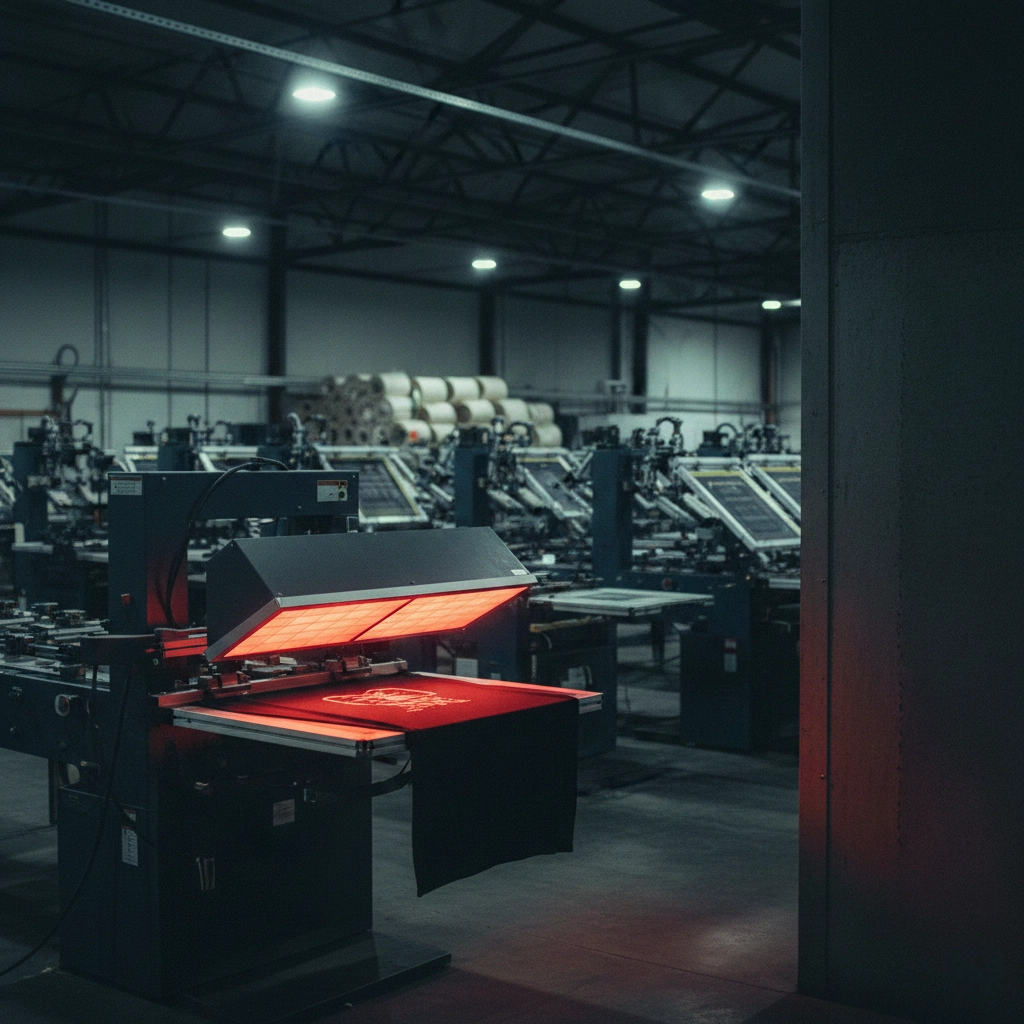
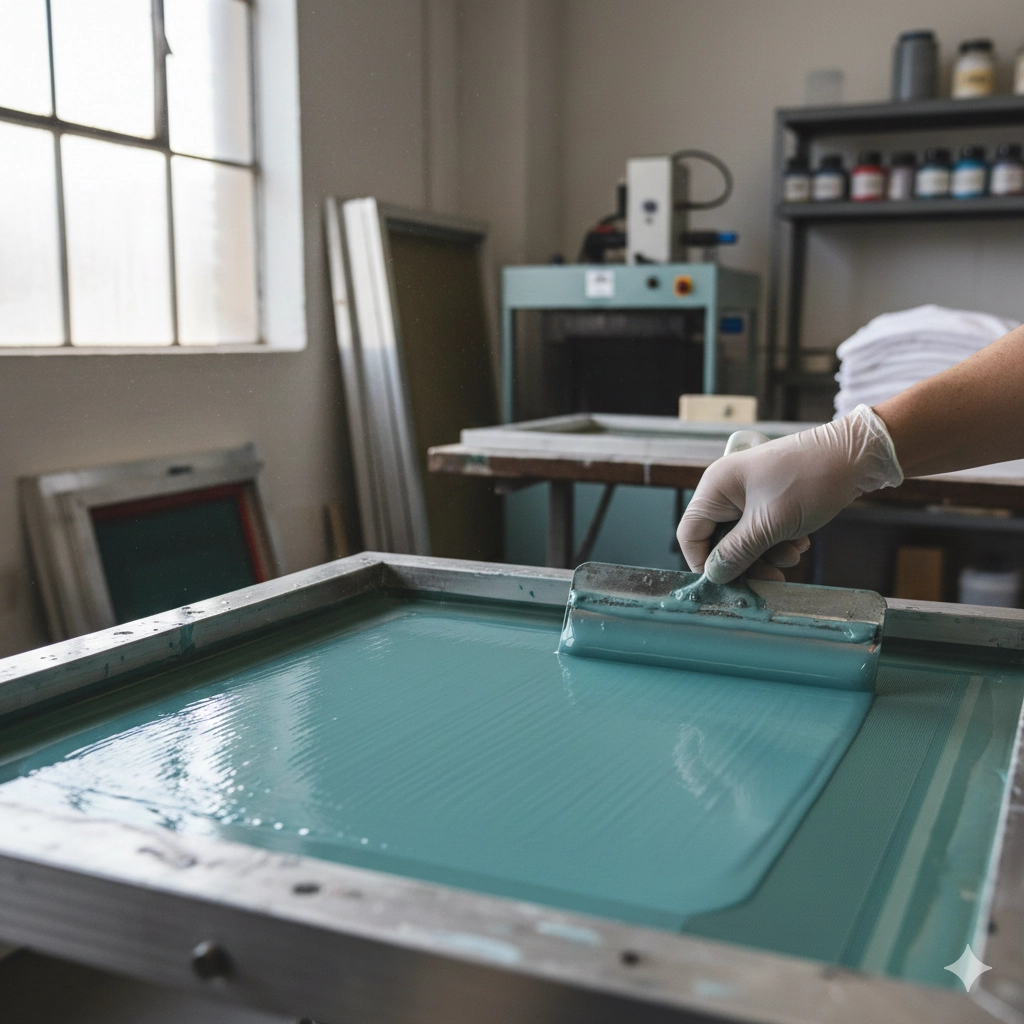
For something that really sticks around, screen printing is your best friend. Instead of spraying ink like an inkjet, screen printing uses a mesh stencil to push ink onto the fabric—kind of like stamping your design in layers.
The cool part? The ink sits on—or slightly penetrates—the fabric fibers, so it can survive hundreds of washes. Colors come out bold and opaque, even on dark shirts. Plus, it works on almost any fabric you can imagine, from cotton to polyester to canvas bags.
It’s not ideal for a single, highly detailed photo since each color needs its own stencil. But for logos, fun graphics, or bold designs, it’s basically the gold standard. And if you’re making multiple shirts, the cost per shirt drops compared to ironing transfers one by one.
So, What Should You Use
- A home inkjet? Fine for a one-off novelty, but don’t expect it to survive the laundry.
- Transfer paper? Works in a pinch, but it’s fragile.
- DTG printing? Professional-level, colorful, and truly washable.
- Screen printing? Durable, vibrant, great for bulk, and gives your shirts that “store-bought” look.
The takeaway? You can use an inkjet to print on clothes, but only in a very temporary, “just-for-fun” way. If you want your designs to last or look professional, screen printing or DTG is the way to go.