


Pigment Dyed or Garment Dyed: Which Is Better for Color Dye
If you want the most vibrant and long-lasting results, garment dyeing usually gives you deeper and richer color dye for clothes compared to pigment dyeing. Color vibrancy and durability matter when you choose between these methods. You care about how your clothes look and how well they hold up over time. Picking the right technique can make your favorite shirt stand out and last through many washes.
Dyeing Methods Compared
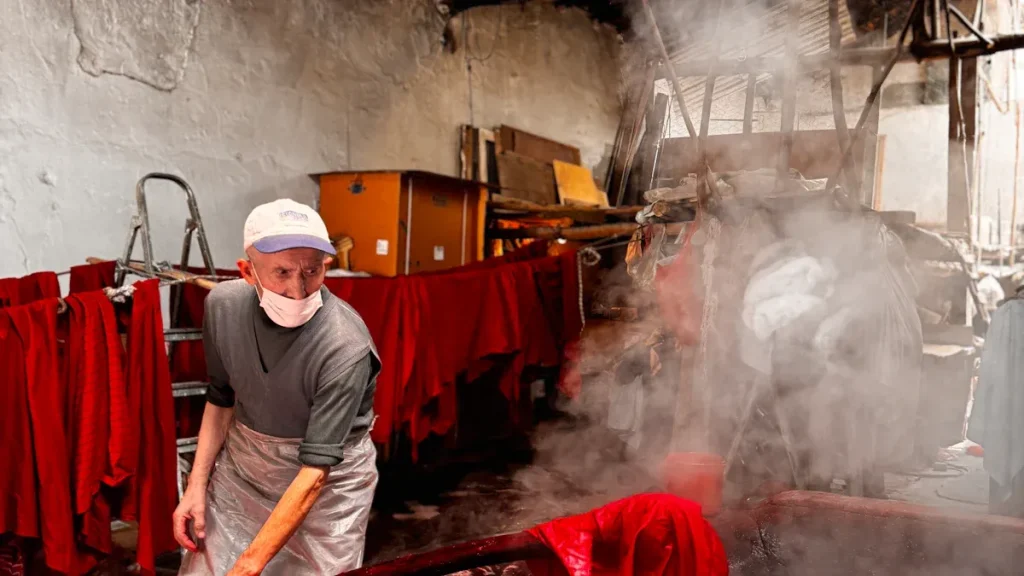
Image Source: pexels
Pigment Dyeing
Pigment dyeing gives you a unique way to add color to your clothes. In this process, you apply pigment dyes to the surface of the fabric. The dye does not soak into the fibers. Instead, it stays on top, creating a slightly faded or vintage look. You need a binder to help the pigment stick to the fabric. This method works well for designs that need a distressed effect or a washed-out style.
Pigment dyeing is popular for certain types of clothing. You often see it used for sportswear, casual t-shirts, and items where a retro or worn-in look is desired. The process is quick because you do not need to wait for the dye to penetrate the fabric. You get a finished product with a soft, lived-in appearance.
Garment Dyeing
Garment dyeing takes a different approach. You dye the entire garment after it has been sewn together. The dye bath covers every part of the clothing, allowing the color to soak deep into the fibers. This method creates a rich and even color throughout the garment.
You find garment dyeing used for items like dupattas and other clothes made from undyed fabric. Manufacturers stitch the garment first, then dye it as a whole. This technique gives you a consistent hue and a smooth finish. Garment dyeing works well for people who want their clothes to have a solid, vibrant color that lasts.
Tip: Garment dyeing is ideal if you want your color dye for clothes to look uniform and stay bright after many washes.
Main Differences
You can see clear differences between pigment dyeing and garment dyeing. Pigment dyeing puts color on the surface, while garment dyeing lets the dye soak into the fibers. The chemical steps also differ. Pigment dyeing uses ionic bonding and binders, while garment dyeing relies on immersion for deeper saturation.
Here is a table to help you compare the color appearance of each method:
| Dyeing Method | Color Appearance Description | Examples |
|---|---|---|
| Garment Dyeing | Provides a rich and lasting color with thorough saturation, leading to a consistent hue. | Workwear T-Shirts, Comfort Tees |
| Pigment Dyeing | Affixes dye to the surface, resulting in a slightly distressed and vintage look. | Sportswear, Washed T-Shirts |
You should choose pigment dyeing if you want a faded or vintage style. Garment dyeing suits you if you prefer deep, uniform colors that last longer. Both methods offer unique results, but your choice depends on the look and durability you want for your color dye for clothes.
Color Dye for Clothes: Results
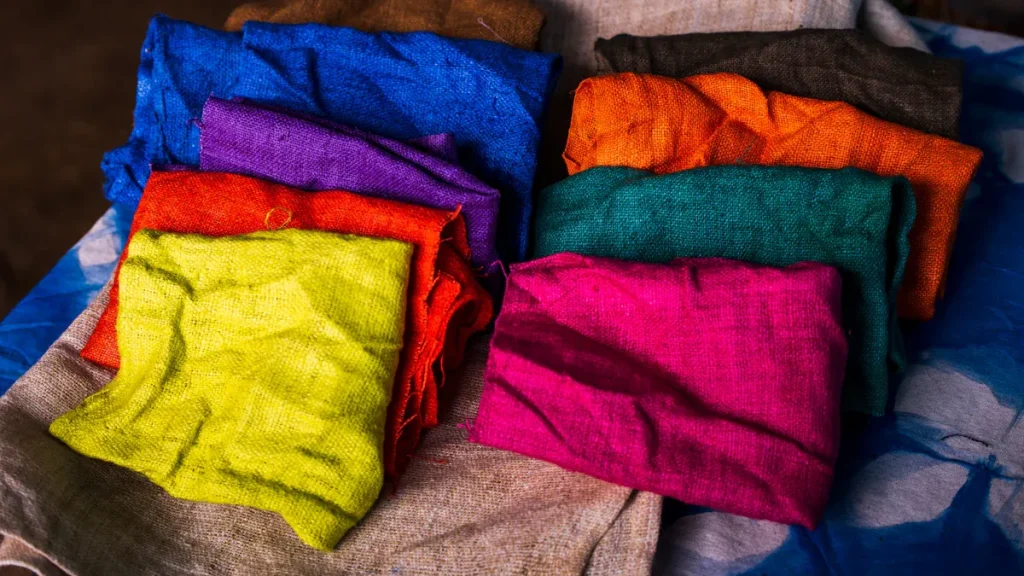
Image Source: pexels
Pigment Dye Color
Surface Effect
When you choose pigment dyeing, you notice the color sits mostly on the surface of the fabric. This creates a unique look that changes depending on how light hits the material. You might see lighter or darker shades from different angles. The texture of the fabric also plays a big role in how the color appears. Here are some key points about the surface effect:
- Light interacts with the fabric, causing color to look different based on the viewing angle.
- Textured materials scatter light, which gives you a more complex and interesting color appearance.
- The structure of the fibers, such as cotton’s hollow core or wool’s scales, affects how the dye stays on the surface and how vibrant the color looks.
This surface effect gives pigment-dyed clothes a soft, vintage, or washed-out style. You get a garment that looks unique and casual, but the color may not appear as deep or bold as other methods.
Fading
Pigment-dyed garments tend to fade faster than those dyed with other methods. If you wash your clothes often or leave them in the sun, you will see the color lighten over time. The dye sits on the surface, so raised areas may lose color first. Garments dyed this way can develop a worn-in look quickly, which some people love for its relaxed style. However, if you want your color dye for clothes to stay bright and bold, pigment dyeing may not be the best choice for long-term vibrancy.
Garment Dye Color
Depth
Garment dyeing gives you a much deeper color. The dye soaks into the fibers, not just the surface. This means your clothes have a richer and more saturated color. When you touch or stretch the fabric, you still see the same color throughout. This deep penetration makes the color more durable and less likely to fade quickly. You get a strong, lasting color dye for clothes that stands up to regular wear and washing.
Uniformity
You also notice more uniform color with garment dyeing, especially on natural fibers like cotton and linen. These materials absorb dye well, so you get even coverage and a smooth finish. Synthetic fabrics, such as polyester or nylon, do not absorb dye as deeply, so the color may look less vibrant. Sometimes, garment dyeing creates subtle variations or a slightly worn look, especially on natural fibers. This adds character without losing the overall evenness of the color.
- Garment dyeing works best for natural fibers, giving you deep and rich colors.
- Synthetic fabrics may not look as vibrant because they absorb less dye.
- The process can create gentle color variations, adding a unique touch to each piece.
Which Is More Vibrant?
If you want the most vibrant color dye for clothes, garment dyeing usually wins. Pigment dyeing typically produces perceptibly less vibrant colors because the dye stays on the surface. Garment dyeing lets the color soak deep into the fabric, making it look brighter and more intense. You see the difference most clearly after several washes. Garment-dyed clothes keep their color longer and look newer, while pigment-dyed clothes develop a faded, vintage style. For bold, lasting color, garment dyeing is the better choice.
Durability
Pigment Dye Wear
You notice pigment-dyed clothes often develop a faded look quickly. The color sits on the surface, so it does not penetrate the fibers deeply. Everyday wear and washing can cause the color to rub off, especially on areas that get more friction. If you love a vintage or distressed style, this fading can add character to your clothes. However, if you want your color to stay bold, pigment dyeing may disappoint you over time.
Several factors speed up fading in pigment-dyed garments:
- Sun exposure can bleach the color, making it lighter.
- Chemical products, like bleach, strip away surface dye.
- Washing with hot water causes the pigment to loosen and fade.
- Ignoring care instructions leads to faster color loss.
You can slow down fading by washing with cold water and keeping your clothes out of direct sunlight. Always check the care label before cleaning pigment-dyed items.
Garment Dye Wear
Garment-dyed clothes offer better durability for color. The dye soaks into the fibers, so it stays vibrant even after many washes. You see less fading, and the color remains consistent across the entire garment. When you stretch or fold the fabric, the color does not break or lighten easily.
You still need to care for garment-dyed clothes properly. Color fading can happen if you:
- Leave clothes in the sun for long periods.
- Use chemical bleach or harsh detergents.
- Wash with very hot water.
- Skip recommended care steps.
Garment dyeing works best for natural fibers, such as cotton and linen. These materials absorb dye well, so the color lasts longer. Synthetic fabrics may not hold dye as deeply, but they still benefit from the garment dyeing process.
Tip: Always follow the care instructions on your garment. Proper care helps keep colors bright and fabric strong.
Which Lasts Longer?
If you want your clothes to keep their color for years, garment dyeing is the better choice. The dye penetrates the fibers, so it resists fading from washing, sunlight, and daily wear. Pigment-dyed clothes lose color faster because the dye sits on the surface. You see fading first on raised or high-friction areas.
Here is a quick comparison:
| Dyeing Method | Color Longevity | Best Practices for Durability |
|---|---|---|
| Garment Dyeing | High | Wash in cold water, avoid sunlight |
| Pigment Dyeing | Moderate | Gentle wash, avoid bleach and heat |
You get longer-lasting color with garment dyeing, especially if you follow care guidelines. Pigment dyeing gives you a unique style, but the color does not last as long. Choose garment dyeing if durability matters most to you.
Comfort and Feel
Pigment Dyed Texture
When you pick pigment dyed clothing, you notice a distinct texture right away. The dye sits on the surface, so the fabric often feels a bit stiffer at first. You might sense a slight roughness when you touch a new pigment dyed shirt or pair of pants. This happens because the binder used to hold the pigment can create a thin layer on top of the fibers. You get a garment that feels structured and holds its shape well.
Over time, you see changes in the texture. As you wear and wash pigment dyed clothes, the fabric starts to soften. The initial stiffness fades, and the garment becomes more comfortable. You may enjoy how the texture evolves, especially if you like a relaxed, broken-in feel. Some people prefer this gradual change, as it gives the clothing a unique character.
Garment Dyed Texture
Garment dyed clothing offers a different experience. You feel softness from the very first wear. The dye penetrates deep into the fibers, so the fabric remains flexible and smooth. You notice that the garment moves easily with your body, providing comfort all day.
After several washes, the texture improves even more. The fibers break in, and the garment develops a lived-in feel. You find that washing cycles help remove any loose dye, which enhances the overall softness. Many people describe garment dyed clothes as cozy and luxurious. You can see why this method is popular for items you want to wear often.
- The texture of garment dyed clothing becomes softer and more comfortable after multiple washes.
- The fabric fibers are broken in, resulting in a lived-in feel.
- Washing cycles help to remove loose dye and enhance overall softness.
Comfort Over Time
You want your clothes to feel good every time you wear them. Comfort changes as you use and care for your garments. Pigment dyed clothing starts out stiffer, but softens with wear and washing. Garment dyed clothing feels soft from the beginning and gets even better over time.
User reviews show clear differences in long-term comfort. You can see how each method compares in the table below:
| Type of Dyeing | Long-term Comfort Rating |
|---|---|
| Garment Dyed | Noted for softness and luxurious feel |
| Pigment Dyed | Initially stiffer but softens with wear |
You may prefer garment dyed clothes if you want immediate comfort and a gentle touch. Pigment dyed garments suit you if you enjoy a fabric that changes and adapts to your body over time. Both methods offer unique benefits, but garment dyeing stands out for its lasting softness and easy wear. You get a garment that feels better with every wash, making it a favorite for everyday use.
Style and Look
Pigment Dyed Style
Pigment dyed clothing stands out for its relaxed and vintage-inspired appearance. You often see these garments with a sun-faded look that softens over time. The dye sits on the surface, so the color can appear slightly uneven, giving each piece a unique character. Many people love this style because it feels casual and lived-in from the first wear.
Designers use pigment dyeing to create vivid hues and bold colors. This method works well if you want a garment that looks personalized or one-of-a-kind. You might notice that pigment dyed T-shirts are popular in wholesale athletic apparel and casual collections. The slightly weathered texture adds to the appeal, making these clothes perfect for a laid-back, everyday look.
- Pigment dyed items often have a washed, vintage look.
- The color can fade in a way that adds character and charm.
- You get a garment that feels unique, even if many shirts use the same dye.
Garment Dyed Style
Garment dyed clothing offers a different kind of style. You see rich, even color that covers the entire garment, including seams and labels. The dye penetrates deep into the fabric, so the color looks saturated and uniform. This method creates a soft, broken-in feel that many people find comfortable and stylish.
High-end fashion brands often choose garment dyeing for their collections. You find garment dyed T-shirts in luxury lines and contemporary fashion. Designers use this technique to achieve a uniform color and a polished finish. The process also allows for unique color variations, so each piece can look slightly different, adding to its individuality.
- Garment dyeing creates a rich, saturated finish.
- The color stays even across the whole garment.
- You get a soft texture and a comfortable fit from the start.
Here is a quick comparison of the visual differences:
| Feature | Pigment Dyed | Garment Dyed |
|---|---|---|
| Dyeing Process | Dye sits on the surface of the fabric | Garment is submerged in a dye bath |
| Appearance | Sun-faded, softening color over time | Rich, even color throughout the fabric |
| Texture | Slightly faded and weathered look | Soft, broken-in feel with unique visual impact |
| Color Distribution | Color does not penetrate fibers | Color permeates seams, threads, and labels |
| Uniqueness of Items | Items may look similar but can vary slightly | Each item can be unique due to varying absorption |
Best for Your Style
You should think about your personal style when choosing between pigment dyed and garment dyed clothing. If you like a vintage, relaxed, or retro look, pigment dyed garments give you that washed and faded effect. These clothes work well for casual outfits and athletic wear. You also get the chance to wear bold, vivid colors that stand out.
If you prefer a more polished and uniform appearance, garment dyed clothing is a better fit. You get deep, rich colors and a soft, comfortable feel. This style is popular in high-end and contemporary fashion. Garment dyeing also lets you enjoy unique color variations, making each piece special.
- Choose pigment dyed for a vintage, casual, or personalized look.
- Pick garment dyed for rich color, softness, and a refined finish.
- Both styles appear in athletic and fashion collections, so you can find the right match for your wardrobe.
Tip: Think about how you want your clothes to look and feel. Both dyeing methods offer unique style benefits, so you can express yourself with confidence.
Care Tips
Pigment Dyed Care
Pigment dyed clothing needs special attention to keep its color looking fresh. You can follow these steps to help your clothes last longer and maintain their unique style:
- Wash before wearing to remove any extra dye that may remain on the surface.
- Wash separately from other clothes to prevent color bleeding.
- Use cold water during washing to slow down fading.
- Choose a mild detergent to protect both the color and the fabric.
- Avoid bleach and harsh chemicals because they strip away color quickly.
- Tumble dry on low heat to reduce shrinkage and fading.
Turning your pigment dyed clothes inside out before washing helps reduce abrasion. You should also store these garments in a cool, dark place. Sunlight can fade the color, so keeping them away from direct light preserves their vintage look.
Garment Dyed Care
Garment dyed clothing offers deeper color, but you still need to care for it properly. You can use these tips to keep your garment dyed items looking vibrant:
- Wash in cold water to prevent color loss and bleeding.
- Wash separately, especially for the first few washes, to avoid color transfer.
- Use gentle detergents that do not contain bleach.
- Dry on low heat or air dry to protect the fabric and color.
- Avoid rough washing techniques that can damage the fibers.
Garment dyed clothes are less sensitive to sunlight than pigment dyed items, but you should still avoid leaving them in direct sun for long periods. Proper washing techniques matter more for these garments, so gentle handling keeps the color rich and the fabric soft.
Easy Maintenance
You want your clothes to stay bright and comfortable with minimal effort. Both pigment dyed and garment dyed garments benefit from simple care routines. You can remember these easy maintenance tips:
Tip: Always check the care label before washing. Cold water and mild detergent work best for both dyeing methods. Turning clothes inside out and washing separately help prevent color loss and keep your garments looking new.
A little extra attention during washing and drying goes a long way. You protect your investment and enjoy vibrant, stylish clothes for many seasons.
Pros and Cons
Pigment Dyed Pros
You get several benefits when you choose pigment dyed clothing. This method gives you versatility in color effects. You can achieve a wide range of shades, from bold and bright to soft and faded. Designers often use pigment dyeing to create unique patterns and vintage looks. You see these styles in casual wear and sportswear.
Pigment dyeing also offers durability against frequent washing. The binder helps the pigment stick to the fabric, so your clothes hold up well in the laundry. You notice that pigment dyed garments keep their shape and structure over time. Many people like the way these clothes develop character as they age.
Tip: If you want a garment with a relaxed, lived-in look, pigment dyeing gives you that effect right away.
Here are some key advantages:
- Wide range of color effects, including vintage and distressed styles.
- Good durability for everyday wear and washing.
- Unique appearance that stands out in casual fashion.
- Quick dyeing process, which makes production efficient.
Pigment Dyed Cons
Pigment dyed clothing has some drawbacks you should consider. The color sits on the surface, so it does not penetrate the fibers deeply. You may notice that the color fades faster, especially after repeated washing or exposure to sunlight. Raised areas and seams lose color first, which can make your garment look worn sooner than you expect.
Comfort is another concern. The binder used in pigment dyeing can make the fabric feel stiff at first. You might find the garment less comfortable until you wash it several times. Some people prefer a softer feel from the start, which pigment dyeing does not always provide.
Pigment dyed clothes also have less colorfastness compared to other methods. You need to follow care instructions closely to keep the color looking fresh.
Here is a summary of the disadvantages:
- Color fades faster, especially on high-friction areas.
- Fabric feels stiff initially due to surface application.
- Less colorfastness, requiring careful washing.
- Comfort improves only after multiple washes.
Garment Dyed Pros
Garment dyed clothing offers many advantages for you. The dye penetrates deep into the fibers, giving you vibrant and lasting color. You see rich, uniform hues that stay bright even after many washes. This method works especially well for natural fibers like cotton and linen.
You also get a unique look and feel. Garment dyed clothes have a soft texture from the first wear. The dyeing process creates subtle variations in color, so each piece looks special. Many people enjoy the comfortable fit and luxurious feel of garment dyed garments.
Note: Garment dyeing is ideal if you want your clothes to look polished and stay colorful for a long time.
Here is a table comparing the main advantages and disadvantages of both dyeing methods:
| Type of Dyeing | Advantages | Disadvantages |
|---|---|---|
| Garment Dyeing | Unique look and feel, suitable for vibrant colors. | Potential for color variation between batches, slightly higher cost. |
| Pigment Dyeing | Versatility in color effects, durability against washing. | Less colorfast, less comfortable due to surface application of pigments. |
You can see that garment dyeing stands out for its vibrant color and comfort. Pigment dyeing excels in creating unique styles and handling frequent washing. Your choice depends on what matters most for your wardrobe.
Garment Dyed Cons
While garment dyeing offers many benefits, you should also consider some drawbacks before choosing this method for your clothes. Understanding these cons helps you make a smart decision for your wardrobe and budget.
1. Higher Cost You often pay more for garment dyed clothing. The process takes extra time and resources. Manufacturers dye each finished garment, which increases labor and production costs. You may notice higher prices in stores, especially for natural fiber items like cotton or linen. If you want to save money, this method might not fit your budget.
2. Color Variation and Inconsistency Garment dyeing can create slight differences in color between pieces. Each garment absorbs dye in its own way. You might see small changes in shade, even within the same batch. Some people love this unique look, but you may want perfect color matching for uniforms or team wear. If you need exact color consistency, garment dyeing may not meet your needs.
3. Limited Fabric Choices This method works best with natural fibers. Cotton, linen, and some blends absorb dye well. Synthetic fabrics like polyester or nylon do not take up the dye as deeply. You may see duller colors or uneven results on these materials. If you prefer synthetic fabrics, you might not get the vibrant look you expect.
4. Special Care Requirements Garment dyed clothes need careful washing. You should use cold water and gentle detergents. Hot water or harsh chemicals can cause fading. You may need to wash new items separately to avoid color transfer. If you want low-maintenance clothes, you might find these care steps inconvenient.
Tip: Always check the care label on garment dyed clothing. Following instructions helps keep colors bright and fabric soft.
5. Potential for Shrinkage The dyeing process can cause garments to shrink. Manufacturers usually pre-wash items, but some shrinkage may still happen. You should check sizing before buying. If you want a perfect fit, consider sizing up or checking return policies.
Here is a quick summary table:
| Drawback | What You Should Know |
|---|---|
| Higher Cost | More expensive due to extra processing |
| Color Variation | Each piece may look slightly different |
| Limited Fabric Choices | Best results with natural fibers |
| Special Care Needed | Requires gentle washing and handling |
| Possible Shrinkage | Some garments may shrink after dyeing |
You should weigh these cons against the benefits. Garment dyeing gives you rich color and comfort, but it also brings extra costs and care steps. If you value unique style and soft texture, you may find these drawbacks worth it. If you want easy care and lower prices, you might prefer another dyeing method.
Choosing the Best Color Dye for Clothes
When to Pick Pigment Dye
You should choose pigment dye when you want your clothes to have a unique, vintage, or distressed look. Pigment dyeing works well for designs that need sharp outlines or bold, high-definition prints. If you want to experiment with texture or create garments that stand out with vibrant surface color, pigment dyeing is a strong option. You often see this method used for sportswear, casual t-shirts, and items where a faded style is popular.
Consider pigment dyeing for these reasons:
- You want sharper print outlines and vivid designs.
- You prefer a garment that develops character as it ages.
- You enjoy experimenting with different textures and finishes.
- You need a quick dyeing process for efficient production.
Pigment dyeing gives you flexibility in design and style. You can achieve a wide range of effects, making it ideal for creative projects.
When to Pick Garment Dye
Garment dyeing is the best choice when you want deep, rich, and long-lasting color dye for clothes. This method works especially well for natural fibers like cotton and linen. You get a soft, blended finish that feels comfortable from the first wear. Garment dyeing creates a uniform color throughout the garment, making it perfect for subtle designs and polished looks.
Pick garment dyeing if:
- You want vibrant color that lasts through many washes.
- You prefer a soft, comfortable feel right away.
- You need consistent color for uniforms or fashion collections.
- You value durability and easy care.
Garment dyeing enhances vibrancy and clarity, giving your clothes a refined appearance. You see less fading over time, so your garments stay looking new longer.
Final Recommendation
You should base your choice on your style, comfort, and care preferences. Garment dyeing stands out for color vibrancy and durability. The dye penetrates deep into the fibers, so your color dye for clothes stays bright and lasts longer. Pigment dyeing offers creative possibilities and bold surface effects, but the color may fade faster.
For most people, garment dyeing is the best method for color dye for clothes. You get lasting color, a soft feel, and easy maintenance. Always wash your garments in cold water, use mild detergents, and avoid excessive heat to keep colors vibrant. If you want to combine high-quality dyeing with efficient production, advanced printing equipment like Cnding’s H9PRO Series Full-Servo Oval Printing Machine can help you achieve professional results for either method.
Tip: Think about the look and feel you want. Garment dyeing gives you deep, uniform color and comfort. Pigment dyeing lets you explore creative styles and textures.
| Dyeing Method | Best For | Color Longevity | Comfort Level | Style Impact |
|---|---|---|---|---|
| Pigment Dyeing | Vintage, bold prints, texture | Moderate | Changes over time | Creative, unique |
| Garment Dyeing | Vibrant, uniform color, softness | High | Soft from start | Refined, consistent |
You can make your clothes stand out and last by choosing the right dyeing method for your needs.
You now know garment dyeing gives you deeper, longer-lasting color than pigment dyeing. Pigment dyeing works best for vintage looks and creative prints. Garment dyeing suits you if you want vibrant color and soft comfort. Think about your style, how you want your clothes to feel, and how much care you prefer.
For the brightest, most durable color, choose garment dyeing.
- Want to learn more? Explore guides on textile dyeing or check out advanced printing machines like Cnding’s H9PRO Series for professional results.