


Silk Screen Vs. Screen Printing: What’s the Difference
If you’ve ever looked into custom T-shirts, posters, or even fine art prints, you’ve probably seen two terms tossed around: silk screen and screen printing. At first glance, it sounds like they might be different techniques—but here’s the truth: they’re actually the same process.
Let’s clear up the confusion once and for all.
The Quick Answer
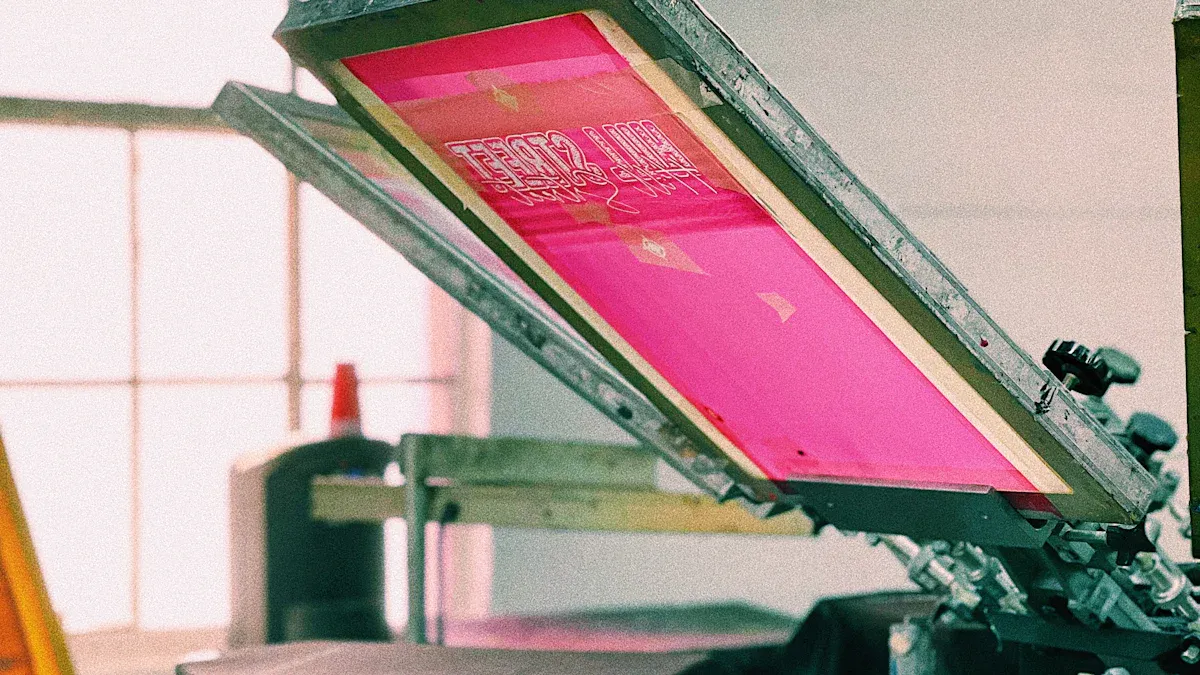
There is no real difference between silk screen and screen printing. Both describe the exact same method of pressing ink through a mesh screen to create a design. The only real distinction lies in the terminology:
- Silk screen is the older term, dating back to when the mesh was actually made of silk.
- Screen printing is the modern name, reflecting today’s use of synthetic fibers like polyester or nylon.
A Bit of History
Originally, the fabric stretched across the printing frame was cotton organdie, and later natural silk became the standard. This is how the phrase silk screen printing was born.
As technology advanced, printers discovered that silk stretched too much and was inconsistent for high-precision jobs. That’s when nylon and polyester mesh entered the scene. These materials are more stable, durable, and allow for better registration (meaning cleaner, more accurate prints). In special industries, like electronics, even stainless steel mesh is used for ultra-fine detail.
Why You Still Hear People Say “Silk Screen”
Even though commercial printers rarely use actual silk today, the phrase silk screen hasn’t disappeared completely. In the art world, for example, artists often use the term when describing limited-edition prints. Here, precision isn’t always the main goal—expression is. You might also hear the process called serigraphy, which is essentially the fine art version of screen printing.
Why the Name Matters (and Why It Doesn’t)
For customers looking into custom apparel or promotional products, whether a shop says “silk screen” or “screen printing,” it all points to the same reliable printing technique. What really matters is the quality of the inks, mesh, and craftsmanship.
Screen printing (or silk screening, if you like the old-school vibe) is loved because it:
- Produces vibrant, long-lasting colors.
- Works on a wide variety of materials—cotton, polyester, paper, metal, wood, and more.
- Can be scaled for everything from one-off art prints to mass production of merchandise.
The Bottom Line
So, silk screen vs. screen printing? There’s no battle here—they’re identical. “Silk screen” is simply the traditional name that stuck around from the days when silk was the go-to mesh. Today, “screen printing” is the standard modern term, but the technique itself hasn’t changed much.
Next time you see either phrase, you’ll know: it’s just two names for one and the same printing method.
FAQs
Q1: Are silk screen and screen printing actually different?
Nope—they’re the same thing. The term silk screen printing comes from the days when silk mesh was used, while screen printing is simply the modern name.
Q2: Why don’t printers use silk anymore?
Silk was too fragile and stretched too easily, which made it hard to get sharp, consistent prints. Today, polyester or nylon mesh is the go-to because it’s stronger, more stable, and gives better detail.
Q3: What’s serigraphy—is it something else?
Not really. Serigraphy is basically the fine art version of screen printing. It’s the same technique, just a fancier word people use when talking about limited-edition or artistic prints.
Q4: If I want custom T-shirts, should I ask for silk screen or screen printing?
Doesn’t matter—they’re identical. What matters is finding a shop that uses good inks, high-quality mesh, and reliable equipment. That’s what ensures your design looks bright and lasts.
Q5: So why do people still call it silk screening?
Mostly habit and tradition. Even though real silk mesh is almost never used now, the old phrase “silk screen” stuck around—especially in the art community.