


Can I Screen Print on Leather: How Do I Do It
Screen printing on leather is a printing method that combines craftsmanship with precision engineering. When done correctly, it produces durable designs that not only look striking but also withstand wear and tear in demanding commercial and industrial settings. Whether you manufacture leather items like wallets, belts, or upholstery, or produce branded promotional products, knowing how to use screen printing on leather can help you achieve professional-quality results at scale.
Why Choose to Screen Print on Leather
In the B2B space, the decision to screen print on leather often comes down to durability, scalability, and cost-efficiency. Unlike some forms of digital printing, screen printing penetrates the leather surface with specialized inks, ensuring long-lasting adhesion. This makes it ideal for:
- Corporate branding on high-end leatherette or full-grain products
- Intricate designs that require vibrant, opaque color
- Applications where durable prints on leather will face frequent handling
The key advantage is that this printing method allows for multiple colors, high ink opacity, and consistent results in mass production.
Best Leather Types for Screen Printing
The surface of the leather plays a critical role in print quality. For best results, select:
- Full-grain leather: offers a smooth, even surface and excellent durability.
- Corrected-grain leather: uniform and easy to work with.
- High-grade leatherette: cost-effective with consistent texture.
Avoid heavily textured or suede finishes, which can cause ink to absorb unevenly.
The Right Type of Ink is Crucial
Ink selection determines whether your prints on leather will last. In industrial applications, four main types are used:
- Solvent-based ink: Highly adhesive, flexible, and resistant to abrasion. Solvent inks penetrate the leather surface but require ventilation and proper handling.
- Plastisol: Creates raised, bold prints. Needs high heat to cure, so monitor temperatures to avoid damaging the leather.
- Water-based: Eco-friendly with a softer feel. Must be combined with an additive to prevent cracking.
- UV inks: Cure instantly under ultraviolet light, ideal for mass production and minimal downtime.
For high-volume work, solvent-based and UV inks deliver consistent, high-quality results with strong gloss and color opacity.
Step-by-Step Tutorial: How to Screen Print on Leather
This professional tutorial outlines a repeatable process to achieve professional-quality prints on leather.
1. Prepare the Leather
- Clean the piece of leather with isopropyl alcohol to remove oils and residue.
- Apply a primer or coating to help the ink adhere.
- If necessary, tan adjustments or neutralization can balance pH for optimal ink bonding.
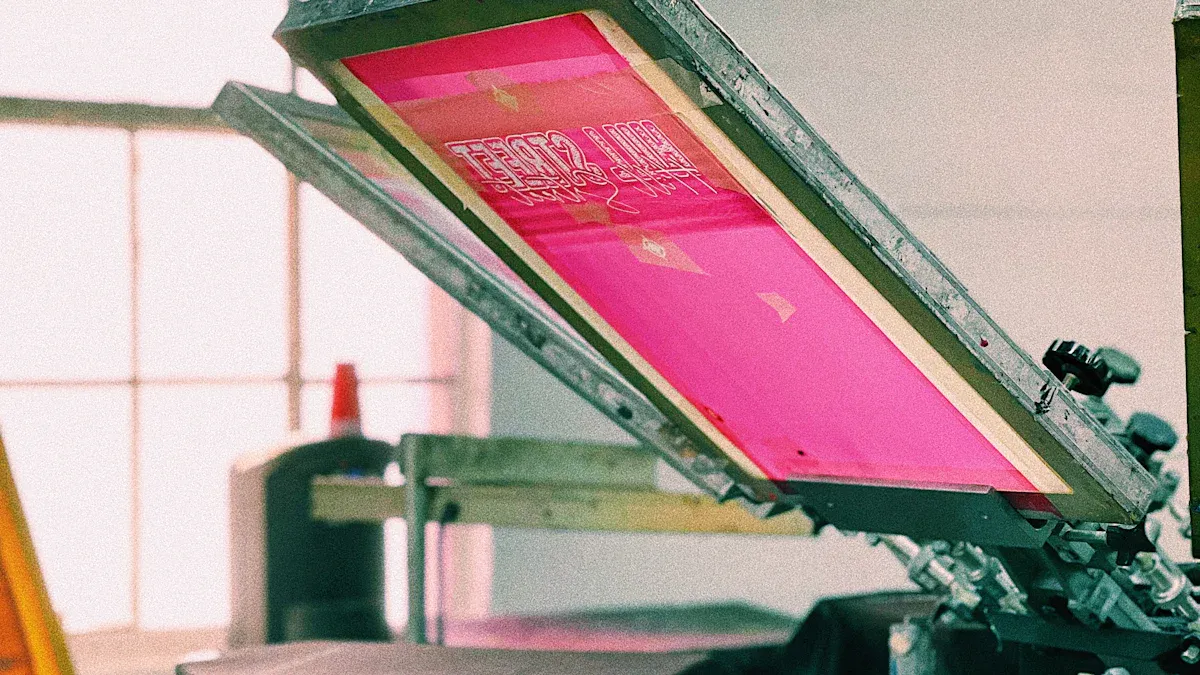
2. Prepare Your Screen
- Choose a mesh count that matches your design detail level.
- Coat the screen with emulsion, dry, and expose your stencil.
- Rinse and dry the screen before setup.
3. Align and Secure
- Place the leather on your printing press or platen.
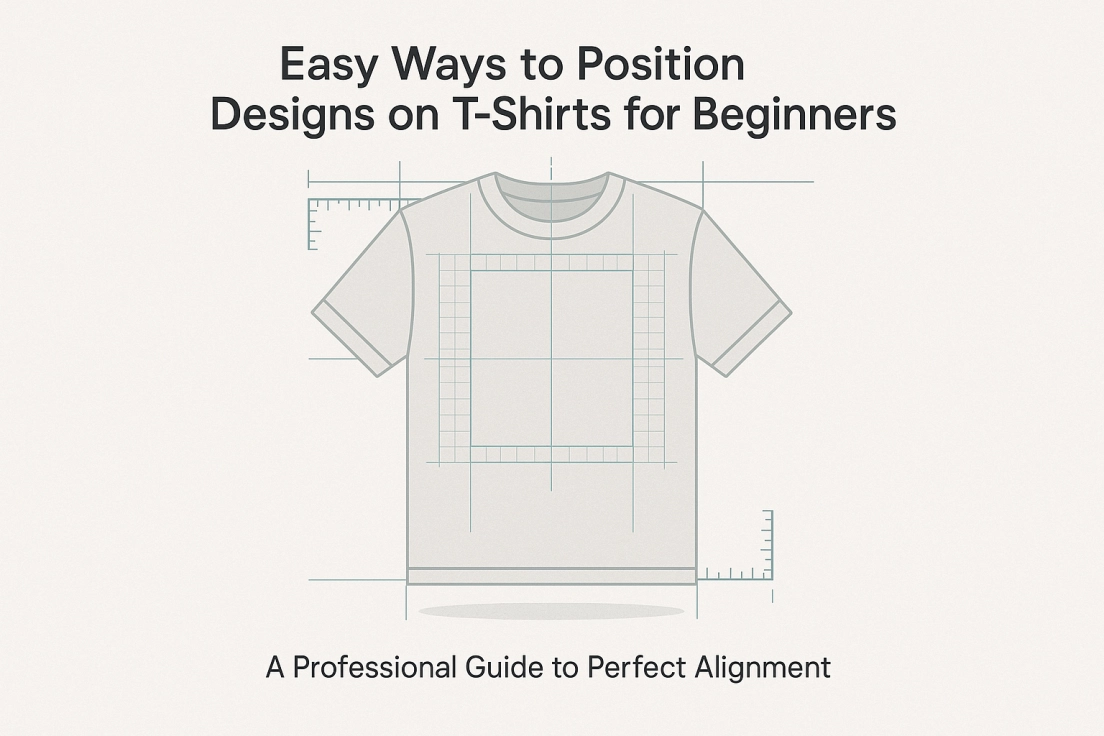
- Use precision guides to ensure accurate placement for intricate designs.
- Mask off non-print areas.
4. Printing
- Load the chosen type of ink.
- Using a squeegee, apply the ink in smooth, controlled passes.
- For different layers in multicolor jobs, partially cure between colors.
5. Curing
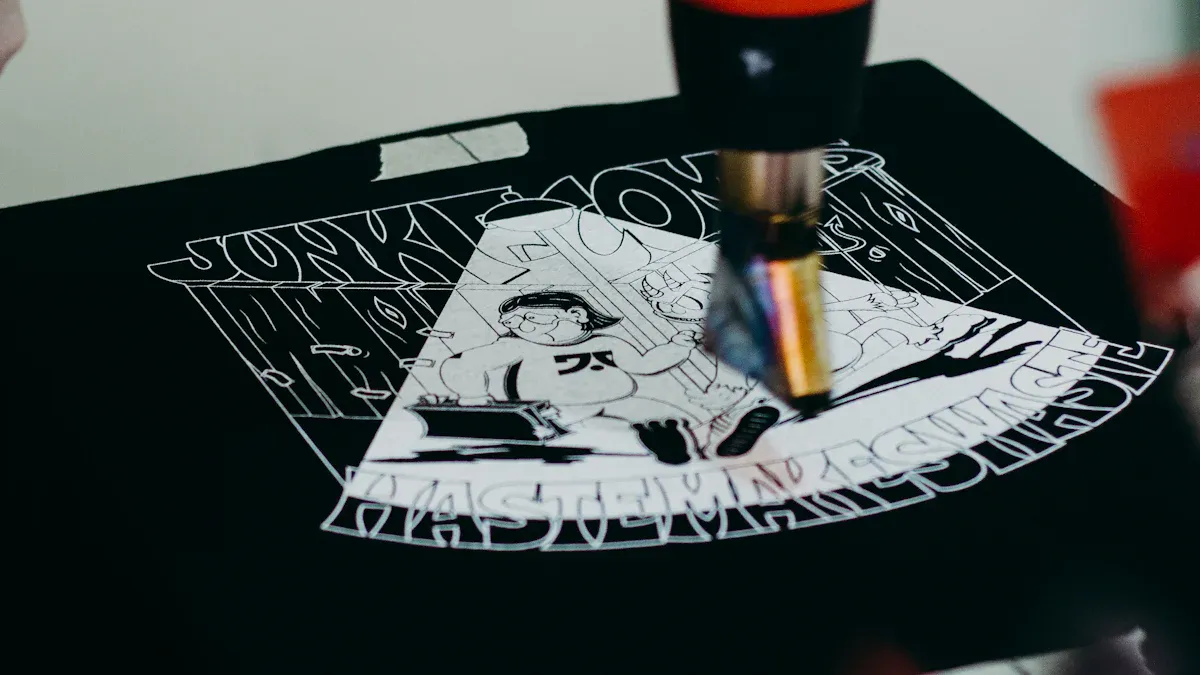
- Use heat press, oven, or UV curing, depending on ink type.
- Monitor temperatures carefully to prevent warping or peel.
6. Finishing
- Apply protective coating to enhance durability.
- Inspect for coverage, consistency, and alignment.
Tips to Prevent Bleeding and Ensure Longevity
- Test first on scrap material.
- Apply thin coats and dry between passes.
- For water-based inks, keep the ink moving to avoid premature drying.
- Use a heat gun for small items.
- Avoid overpressure with the squeegee.
Applications in B2B Leather Printing
Screen printing is widely used for screen-based decoration in:
- Fashion accessories
- Automotive interiors
- Corporate promotional goods
- Custom upholstery
Unlike digital printing, which may fade faster, screen-printed leather provides color longevity and tactile impact that clients value.
Comparing Screen Printing and Digital Printing on Leather
- Screen printing: Thicker ink layer, longer lifespan, richer colors, better for bold graphics.
- Digital printing: Faster setup, good for high-detail images, but less robust under heavy use.
In short, printing and screen printing both have roles, but for durable designs, screen printing remains the gold standard.
Conclusion
When executed with the right printing method, screen print on leather can deliver durable, vibrant, and professional-quality results suitable for everything from high-end branding to large-scale manufacturing. By choosing the right substrate, the proper type of ink, and precise techniques, you can create prints on leather that meet the highest commercial standards—without compromising efficiency or quality.
- Why Choose to Screen Print on Leather
- Best Leather Types for Screen Printing
- The Right Type of Ink is Crucial
- Step-by-Step Tutorial: How to Screen Print on Leather
- Tips to Prevent Bleeding and Ensure Longevity
- Applications in B2B Leather Printing
- Comparing Screen Printing and Digital Printing on Leather
- Conclusion