


Do I Need a UV Light for Screen Printing
When it comes to screen printing, one of the most critical steps is exposing a screen properly. This step is essential in turning your design into a durable stencil that can withstand multiple print runs. If you’re wondering whether a UV light for screen exposure is necessary, this guide will walk you through the science, equipment options, and best practices in the screen printing industry.
Whether you’re new to screen making or looking to upgrade your setup, understanding how different light types interact with emulsion can dramatically affect your results.
How Light Affects Emulsion Exposure
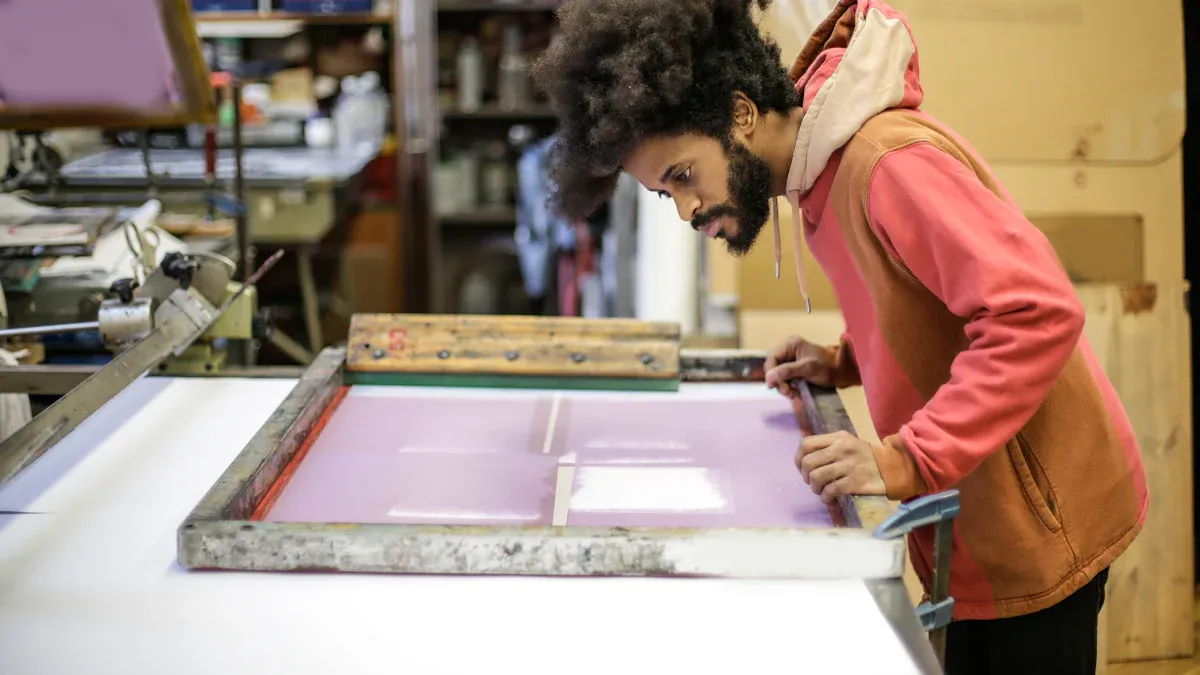
The exposure process in screen printing involves using light to cure a layer of photo emulsion that has been applied to a mesh screen. This light hardens the emulsion where it’s exposed and leaves other areas soft so they can be washed out—forming the stencil for printing.
To achieve an accurate exposure, the light used must match the sensitivity range of the emulsion, typically in the 350 to 420 nm wavelength band. This band corresponds to ultraviolet (UV) radiation, which most emulsions are designed to react to. If the light doesn’t emit UV in this range, the emulsion may not cure properly, resulting in a weak stencil.
Types of Light Sources for Screen Exposure
1. UV Light Source (Best Choice for Professionals)
A UV light source is ideal for exposing screens, especially when using diazo emulsion, dual-cure, or photopolymer emulsions. These lights are designed for screen exposure and emit light at the proper wavelength to provide a fast and uniform cure.
- Compatible with all type of ink, including plastisol, solvent-based inks, and water-based inks
- Promotes sharp stencils with excellent durability
- Suitable for high-resolution digital printing or computer-to-screen (CTS) systems
Some high-end systems use LEDs as the UV source, offering lower heat, longer lifespan, and consistent performance.
2. White Light (Entry-Level Option with Limitations)
White light from halogen lamps or fluorescent tubes is sometimes used in DIY setups. However, it’s only effective with emulsions specifically formulated for it. These emulsions may not offer the same durability or resistance to ink types as those cured with UV.
- Only effective with fast-reacting emulsions
- Slower exposure times
- Inconsistent results if light output isn’t controlled
While inexpensive, white light units can cause issues like over- or underexposure and aren’t reliable for high-volume production. They are better suited for learning the basics or casual, low-risk projects.
3. Metal Halide Lamps and Other UV Emitters
Metal halide lamps are powerful and were widely used in the past due to their ability to emit UV at the right wavelength. However, they can be costly, run hot, and require ventilation and safety precautions.
- Emit strong UV energy
- Good for long print runs and large-format screens
- Becoming less common due to rise of UV LEDs
4. Sunlight as a Natural UV Source
Using sunlight to cure screens is a traditional technique. The sun emits natural ultraviolet energy, but the results depend heavily on time of day, weather conditions, and your location.
- Unpredictable wavelength intensity
- No control over exposure process
- Risk of overexposure or inconsistent results
Sunlight may not deliver enough UV energy at the required wavelength to reliably cure the emulsion.
Why UV Inks and UV Curing Matter
If you’re also working with UV inks, understanding your light to cure them is essential. These inks don’t dry through evaporation like solvent-based inks; instead, they cure instantly under UV light.
- Provide vibrant colors with sharp detail
- Require precise screen exposure to prevent undercuring
- Ideal for printing on non-porous surfaces like plastic, glass, or metal
- Common in screen printing products for industrial and commercial use
UV curing systems are optimized to match ink and emulsion properties, delivering fast, clean results with minimal waste.
Choosing the Right Setup for Your Needs
If you’re focused on quality and consistency, investing in a UV light source that’s designed for screen exposure is a smart move. While white light may be tempting for its low upfront cost, it doesn’t always produce the accurate exposure needed for professional results.
Look for an exposure unit that:
- Emits UV at the 350–420 nm wavelength range
- Matches your type of screen and emulsion
- Supports your workflow (e.g., inkjet film or CTS setup)
- Delivers consistent vibrant colors and detail across prints
Final Thoughts
So, do you really need a UV light for screen printing? If your goal is sharp stencils, consistent quality, and compatibility with a wide range of screen printing products, the answer is a definite yes.
UV light sources offer unmatched performance for emulsion exposure, uv inks, and every other element of the modern screen printing industry. Don’t let poor exposure limit your potential—invest in the right tools, and let your prints shine.