


Screen Printing Exposure Methods: CTS, DTS, and LTS Overview
In this article, we’ll delve into three primary screen imaging technologies: Computer-to-Screen (CTS), Direct-to-Screen (DTS), and Laser-to-Screen (LTS). We’ll objectively compare and analyze them across various dimensions.
Introduction to CTS and DTS
Computer-to-Screen (CTS) and Direct-to-Screen (DTS) refer to the same screen imaging process. Their technical principles and applications are identical, meaning the terms can be used interchangeably.
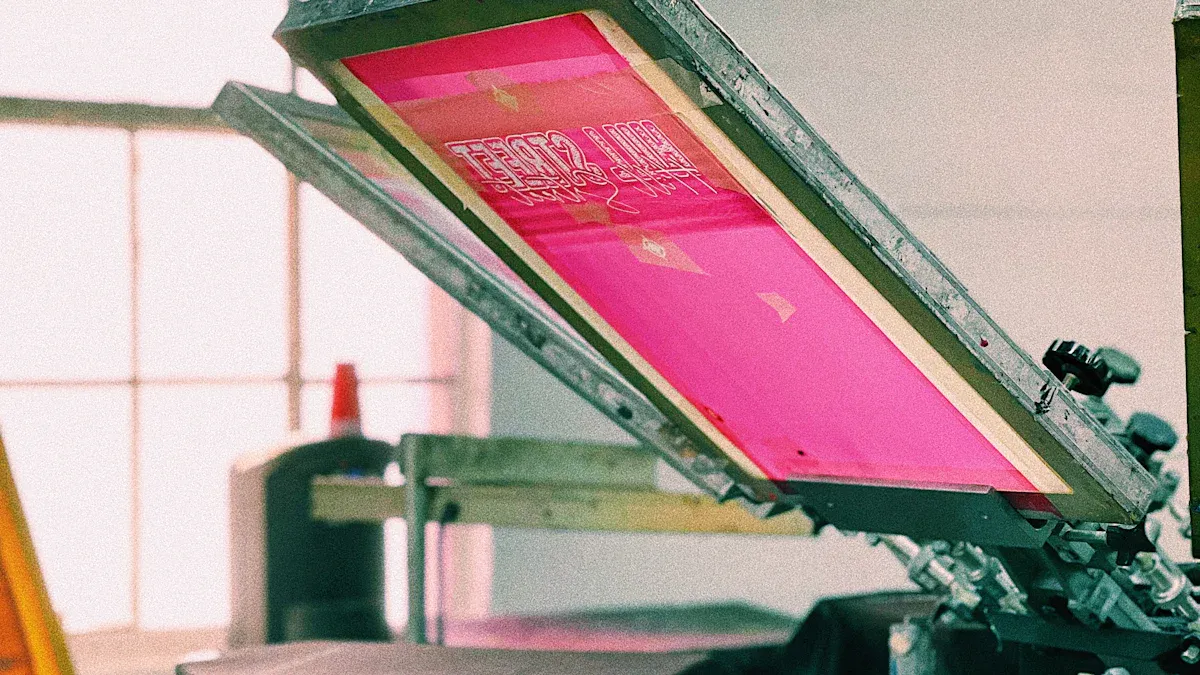
Traditional screen preparation typically involves printing an image onto a transparent film, then laying this film over a screen coated with a photoemulsion for exposure. CTS/DTS technology, however, skips the film creation step entirely. Instead, it digitally “prints” the image directly onto the emulsion-coated screen, leading to a more efficient screen-making process.
The CTS/DTS screen-making process generally involves two steps:
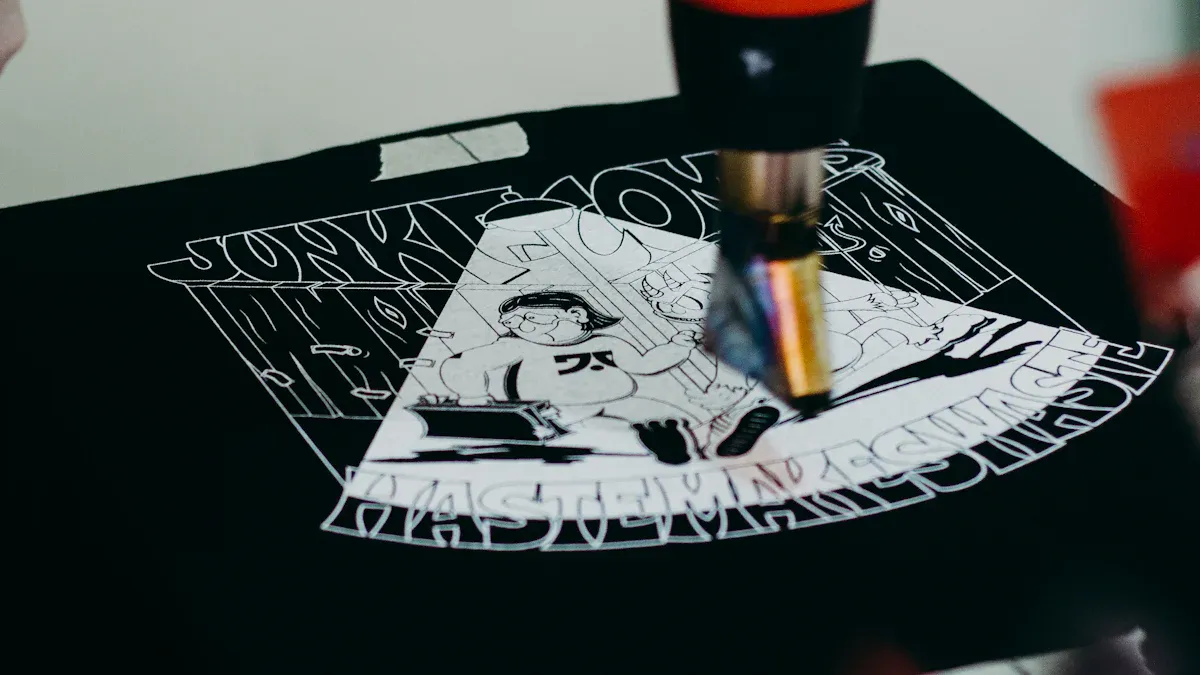
- Image Application: A digital device (like an inkjet printhead) directly sprays ink or wax onto the emulsion-coated screen to form the image template.
- Exposure and Curing: The imaged screen is then exposed to UV light, which cures the emulsion and completes the screen preparation.
Advantages:
- Simplified Workflow: Eliminates the need for film, boosting overall screen-making efficiency.
- Cost Savings: Long-term use can save costs on film and related consumables.
- Digital Advancement: Propels screen printing towards a more digital future.
Limitations:
- Consumable Dependent: Still requires ink or wax, adding to operational costs.
- Frequent Maintenance: Printheads are prone to clogging and need regular cleaning.
- Two-Step Process: Image application and exposure are separate steps, leading to transfer time.
- Image Quality Fluctuations: Potential for uneven ink dots, splatters, or streaks, affecting imaging accuracy.
Introduction to LTS
Laser-to-Screen (LTS) is a newer generation of screen imaging technology that evolved from CTS and DTS.
LTS no longer relies on inkjet or wax application. Instead, it uses a high-precision laser beam to expose the emulsion-coated screen directly. The image is “engraved” onto the screen by the laser in a single, seamless process, with no intermediate medium required.
Advantages:
- Integrated Workflow: Image exposure is completed in one step, eliminating the need for separate operations.
- Consumable-Free Design: Eliminates the use of ink or wax, reducing consumable costs and environmental impact.
- Simplified Maintenance: No inkjet printhead structure, which means fewer common clogging and cleaning issues.
- Superior Image Quality: Laser imaging offers high precision, capable of rendering finer details and more intricate designs.
- High Production Efficiency: Significantly shortens the screen preparation cycle, speeding up overall production.
- More Accurate Registration: Direct laser exposure reduces the risk of image shifting, which is particularly beneficial for multi-color printing.
Limitations:
- Higher Equipment Investment: The initial purchase cost for LTS equipment is typically higher than for CTS/DTS.
- Higher Technical Threshold: Involves precise laser technology, and operation and maintenance may require more specialized technical support.
Comparative Analysis of CTS/DTS and LTS
| Dimension | CTS / DTS | LTS |
|---|---|---|
| Working Principle | Digital inkjet or wax imaging, followed by UV exposure | Direct laser exposure, completed in one step |
| Preparation Steps | Two steps: image application + UV exposure | One step: direct laser imaging |
| Consumable Needs | Requires ink or wax | No consumables required |
| Image Quality | Precision limited by dot size; potential for splatters or streaks | Extremely high precision; sharp, clear images with no ink defects |
| Preparation Speed | Faster, single-step completion, higher efficiency | Includes equipment, consumables, and maintenance costs |
| Maintenance Needs | Requires regular printhead maintenance to prevent clogging | Low maintenance; no printhead structure |
| Cost Structure | High initial equipment cost, but no long-term consumables, and low maintenance costs | Large printing enterprises with high precision and efficiency demands, suitable for high-volume continuous production |
| Registration Accuracy | Relatively high, but affected by ink transfer | Extremely high; direct laser imaging, precise alignment |
| Applicable Scenarios | Small to medium-sized businesses, limited budget, moderate output | Large printing enterprises with high precision and efficiency demands; suitable for high-volume continuous production |
Conclusion
- CTS/DTS represents the first step in digitalizing screen printing, offering advantages like lower cost and operational flexibility, making it suitable for small to medium-sized printing businesses.
- LTS, as a newer generation technology, signifies the future direction of screen preparation, particularly excelling in image quality, efficiency, and environmental friendliness. It is better suited for large-scale printing scenarios that demand high precision and efficiency.
As technology advances and equipment costs gradually decrease, LTS is expected to progressively replace CTS/DTS as the mainstream method for screen preparation in the future.